Heat & Safety
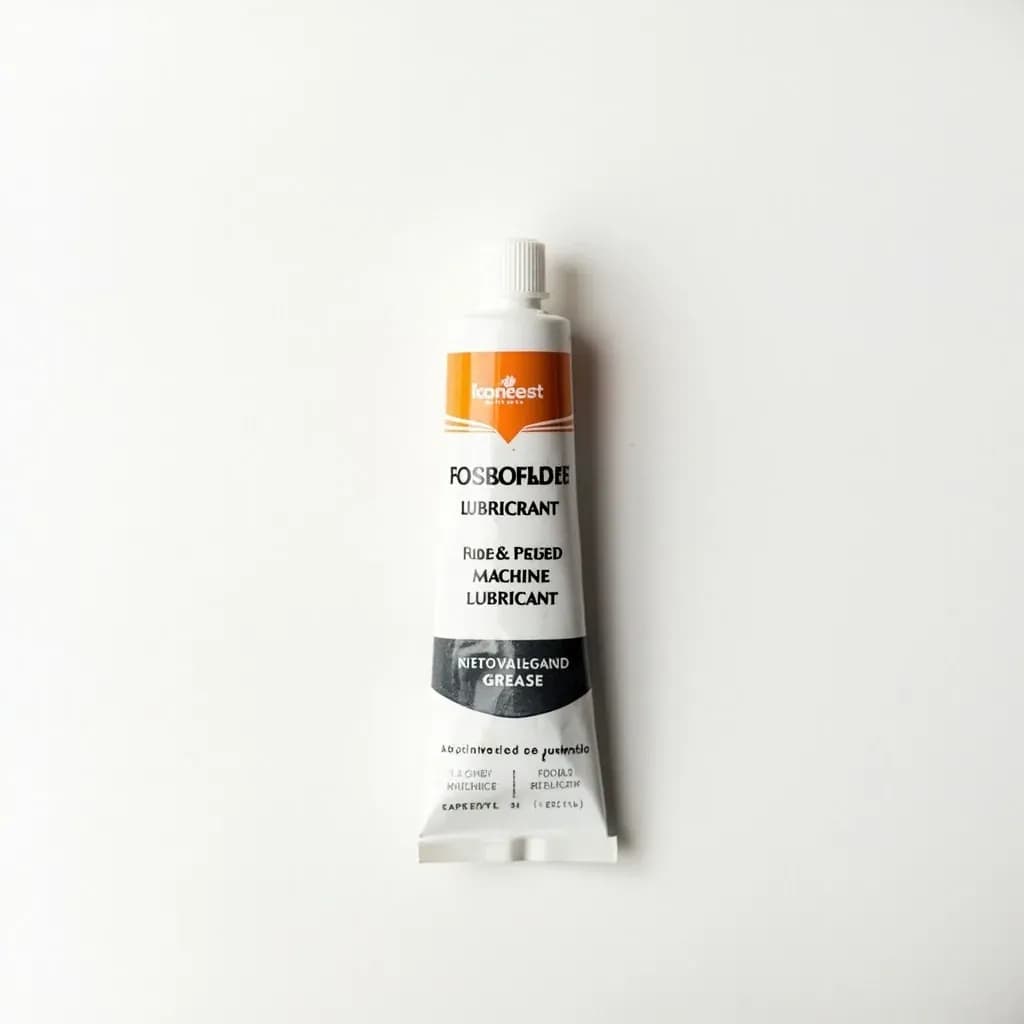
Food-Grade Machine Lubricant
NSF H1-rated grease or oil for lubricating mixers, slicers, and beverage equipment safely.
Food-grade machine lubricant is a grease or oil certified NSF H1, meaning incidental contact with food is safe. It is used to lubricate the moving parts, gaskets, and O-rings of stand mixers, meat grinders, slicers, and keg or draft systems where lubricant could touch ingredients. Unlike standard petroleum lubricants it is non-toxic, odorless, and tasteless, protecting equipment without contaminating the product.
Food-grade machine lubricant is a specially formulated grease or oil carrying the NSF H1 registration — the certification designed for lubricants that may have incidental contact with food. Unlike automotive grease or general-purpose sprays, every ingredient in an H1 product has been screened for toxicity, heavy metals, and known carcinogens, and the finished lubricant is cleared for contact at trace levels (up to 10 ppm in finished food under NSF testing criteria). For a cook, this is the only class of lubricant that belongs anywhere near stand mixers, meat slicers, espresso machine group heads, or any mechanism that shares airspace with what you eat.
The category covers both grease (thickened, for gears, bearings, and slide rails) and lower-viscosity oil (for chains, hinges, and small pivots), along with aerosol sprays and 3H release oils that are actually cleared for direct food contact. Base stocks include refined white mineral oil, synthetic polyalphaolefin (PAO), silicone, and occasionally PFPE/PTFE for extreme temperatures — all chosen for being chemically inert, nearly tasteless, and resistant to oxidation. A single cartridge or small spray in the kitchen drawer is the kind of modest purchase that saves a stand mixer from a seized gearbox or a deli slicer from a grinding carriage.
Why not just reach for cooking oil or a quick blast of WD-40? Cooking oils oxidize, polymerize, and turn into sticky varnish that gums bearings within weeks. WD-40 is a petroleum-and-solvent blend with no food-contact certification, and its solvent action strips away the protective film you actually want. H1 lubricants are engineered to stay where you put them, hold up under heat and water washdowns, and pose no chemical hazard if a trace migrates onto a blade or into a batch of dough.
Alternatives
Types & varieties
Thickened lubricant for gears, bearings, and slide rails on slicers, mixers, and conveyors; the workhorse of the kitchen
Lower-viscosity fluid for chains, hinges, seals, and small mechanisms; usually sold in drip bottles or aerosol cans
Edible-grade oil for direct food contact — used on meat hooks, bread pans, and as a protective film on slicer blades between uses
Long service life and wide temperature tolerance; preferred for stand-mixer planetary gears and high-rpm bearings
Thin, water-resistant film ideal for hinges, drawer slides, and gasket lubrication where grease would be too heavy
Premium synthetic for extreme temperatures or chemical exposure, such as oven conveyors or sanitizer-heavy washdown zones
Modern thickener system with excellent water resistance; a good match for commercial dishwashers and high-moisture equipment
H1 vs H2 vs 3H: which one you actually need
The NSF rating system is short, but the distinction matters. Most home and small-commercial lubrication jobs call for H1, and grabbing the wrong rating is a common source of confusion at the supply house.
- H1 — incidental food contact allowed. The lubricant may end up touching food at trace levels (up to 10 ppm in finished product). This is the default choice for slicers, mixers, espresso machines, and ice machines.
- H2 — no food contact. Used on equipment where the lubricant is fully sealed away from product: outer conveyor frames, motor housings, far-side bearings. Cheaper, but not appropriate if there is any chance of migration.
- 3H (sometimes written H3) — direct food contact. This is the only rating appropriate when you intend the lubricant to touch food: meat hooks, bread loaf pans, the protective film left on a slicer blade between shifts, dough-divider surfaces. 3H oils are essentially edible oils refined to industrial standards.
Choosing the right form for the job
Grease, oil, and aerosol each have a place. Matching form to mechanism is what separates a smooth-running machine from a leaky, gummed-up one.
- Grease stays put. Use it on slow-moving bearings, gear teeth, slide rails, and anywhere you cannot easily re-apply. A grease gun with a standard cartridge is the workhorse of restaurant equipment maintenance.
- Oil penetrates. Use drip oil on chains, pivot points, and small bearings where grease cannot reach. One drop per pivot is plenty.
- Aerosol silicone sprays reach tight spaces and lay down a thin film on slides and gaskets without over-application. Hold the can roughly 15–20 cm (6–8 in) away and mist briefly.
- 3H release oil in a pump or squeeze bottle is the right choice for meat hooks and bread pans — applied with a clean paper towel, then wiped so only a thin film remains.
Common uses
Tips & pitfalls
- Never substitute automotive grease, WD-40, motor oil, or petroleum jelly on food equipment — these contain non-listed toxic additives that have no business anywhere near a food surface.
- Do not use cooking oils (olive, vegetable, canola) as long-term lubricants: they oxidize, turn rancid, polymerize into varnish, and gum up mechanisms within weeks.
- Apply a thin film only — excess lubricant migrates into the food zone, drips into product, and attracts crumbs and metal wear particles.
- Clean and degrease the part fully before re-lubricating; old grease traps crumbs and abrasive wear particles that destroy fresh lubricant.
- Check the equipment manual first; many manufacturers (KitchenAid, Hobart, Manitowoc, Ankarsrum) void warranties if a non-H1 product is used on a serviceable part.
- Use 3H oil, not H1, when the lubricant will deliberately touch food such as meat hooks, slicer blade coatings, or bread pans — H1 is not intended for direct contact.
- Label the grease gun if you keep multiple lubricant types in the kitchen — mixing grease bases with incompatible thickeners can cause thickener breakdown and separation.
Good to know
- Primary certification
- NSF H1 registration (formerly USDA H1); designed for incidental food contact where contact cannot be avoided
- Acceptable contact level
- Up to 10 ppm (parts per million) in finished food under NSF testing criteria
- Other NSF ratings
- H2 (no food contact), 3H (direct food contact — release agents, meat hooks, slicer blade coating)
- Certifying body
- NSF (National Sanitation Foundation), recognized by FDA and USDA
- Related international standard
- ISO 21469 — hygiene requirements for lubricant formulation, manufacture, and use
- Common base oils
- Synthetic PAO, white mineral oil, silicone, or PFPE/PTFE, all refined to food-contact purity
- Typical temperature range
- Roughly −20 °C to 180 °C (−4 °F to 356 °F) for general H1 grease; specialty grades for freezers or oven conveyors
- Forms available
- Grease cartridges, tubs, drip bottles, aerosol sprays, and bulk oil
- Shelf life
- Typically 3–5 years unopened, stored sealed at room temperature
Also called
Keg Lube (O-ring Lubricant) · NSF H1 grease · food-safe lubricant · food-grade grease
Related

Paper Towels
Disposable sheets for spills, drying, and patting dry

Kitchen Towels
Reusable cloths for drying, gripping, and wiping

Oven Mitts
Heatproof gloves to handle hot pans and trays safely

Disposable Gloves
Single-use gloves for safe, mess-free handling

Cleaning Cloths
Reusable cloths for wiping counters and spills

Tortilla Warmer
Insulated holder that keeps tortillas warm and soft

Trivet
Heatproof stand that shields surfaces from hot pots

Ice Bath Setup
Bowl of ice water that halts cooking and sets color