Wraps & Liners
Freezer Paper
Plastic-coated paper that wraps meat and fish airtight for freezer storage.
A heavy paper with a polyethylene coating on one side, used to wrap meat, fish, and cheese for the freezer. The plastic side faces the food to lock out air and moisture while the paper side takes a label, preventing freezer burn over months of storage. Butchers favor it for portioning cuts, and it doubles as a non-stick work surface for candy and dough.
Freezer paper is heavy kraft paper — usually 40 to 50 pound basis weight — with a thin coating of food-grade polyethylene bonded to one side. That single layer of plastic is the whole point of the product: pressed against food, it forms a moisture- and oxygen-resistant barrier that dramatically slows the dehydration and oxidation we call freezer burn. The uncoated paper side is matte, opaque, and accepts ink, which is why a date and a label written in Sharpie stay legible for the entire life of a package.
It behaves very differently from the other papers in a kitchen drawer. Wax paper's paraffin coating turns brittle below freezing and flakes off; butcher paper has no coating at all and lets air pass through; parchment is built for oven heat and is not designed as a long storage wrap. Freezer paper is engineered specifically for cold — it stays flexible at deep-freezer temperatures (down to roughly -20°F / -29°C) and keeps its seal for six to twelve months on meat, fish, and game when wrapped correctly.
For anyone who buys in bulk, hunts, fishes, or runs a small freezer stash, freezer paper is the workhorse wrap. A roll costs a fraction of specialty vacuum bags, conforms to oddly shaped cuts that a bag cannot, and lets you label every package clearly without stickers or tape.
Alternatives
Types & varieties
Common household grade, ~40 lb kraft with a light polyethylene coating; good for short- to mid-term storage of everyday cuts.
Thicker kraft and/or heavier coating; preferred by hunters, anglers, and butchers for long-term storage of large or game cuts.
Sold flat rather than on a roll; convenient for portioned wraps, butcher shops, and consistent package sizes.
Colored paper side (often pink) used in some meat markets; the plastic side remains the food-contact side and behaves identically.
Why the coating side matters
The polyethylene side is always the side that touches the food. That orientation is what creates the airtight seal — the plastic conforms to the surface of the meat or fish, blocking the air contact that pulls moisture out of the food and turns it gray and leathery. The paper side faces outward, where its job is mechanical: it protects the thin plastic layer from abrasion, accepts your labeling, and gives the wrap structure so it doesn't cling to itself.
- Shiny or slightly tacky to the touch = polyethylene side = food-contact side.
- Matte, fibrous, and absorbent = paper side = outside.
- If you cannot tell, breathe gently on both sides; the plastic side will fog briefly and hold the cloud, the paper side will absorb it.
Choosing a wrap method
There are two reliable ways to close a freezer paper package, and which you choose depends on how long the food will sit and how irregular its shape is. For most home use, the drugstore wrap — a tight rectangular fold that buries all edges — is faster and just as effective as butcher's twine-style tying.
- Butcher's (envelope) fold: best for thick roasts, whole fish, and anything that will live in the freezer more than three months.
- Drugstore fold (flat rectangular wrap): best for steaks, fillets, patties, and flat cuts that need to stack tightly.
- Double-wrap in two layers of paper for anything stored longer than six months, especially game and fish.
Common uses
Tips & pitfalls
- Always place the polyethylene (shiny) side against the food — that is the side that creates the seal; the paper side goes out.
- Press out as much air as possible before sealing; trapped air is the single biggest cause of freezer burn.
- Double-wrap for anything stored longer than six months: a tight inner wrap and a looser outer wrap protect the plastic layer from punctures.
- Date and label every package on the paper side with a permanent marker — the contents, weight, and date — before it goes into the freezer, not after.
- Shape packages the way you plan to thaw or cook: flat, uniform packages thaw faster and stack far more efficiently than lumpy ones.
- Do not use freezer paper in the oven, microwave, on the grill, or in a pan on the stove — the polyethylene coating will melt or release fumes.
- Freezer paper is not wax paper; wax paper becomes brittle below freezing and the coating cracks, ruining the seal. In a pinch, double-wrap in wax paper inside a zip-top bag.
- If a cut has surface moisture — especially fish or freshly butchered meat — pat it thoroughly dry with paper towels before wrapping, since surface moisture freezes into ice crystals that damage texture and accelerate freezer burn.
- Store rolls flat in a dry place; folding or creasing the paper before use can crack the coating and create leak points.
Good to know
- Material
- Heavy kraft paper (40–50 lb basis weight) with a polyethylene coating on one side
- Coating
- Food-grade polyethylene, applied to one side only
- Appearance
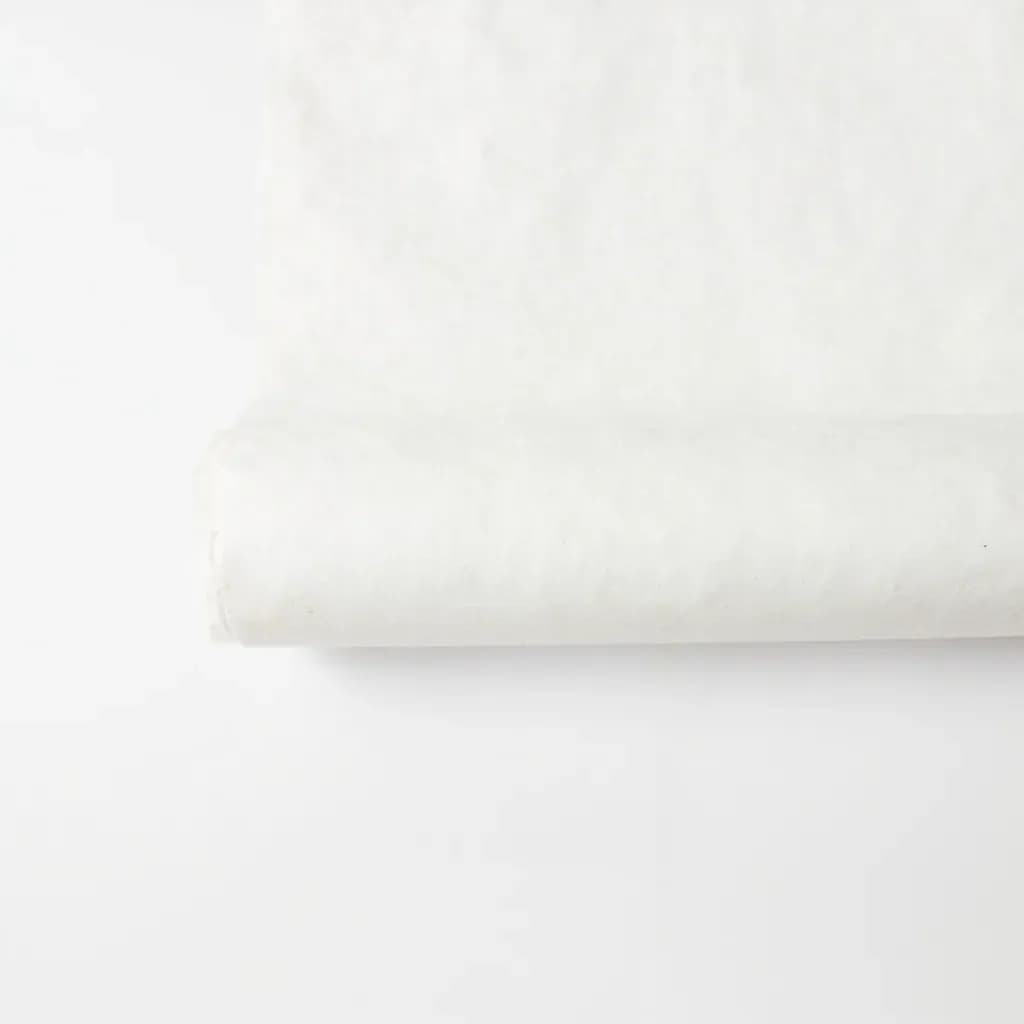
- Matte white paper side (writable) with a slightly glossy, translucent plastic-coated side
- Common widths
- 12, 15, 18, 24, and 36 inches, sold in rolls of 50 to 300+ feet
- Temperature range
- Designed for freezer use down to about -20°F (-29°C); not heat-resistant
- Heat safe?
- No — the polyethylene coating melts or off-gasses with oven, stovetop, or microwave heat
- vs. wax paper
- Plastic-coated, not wax-coated; wax becomes brittle when frozen and loses its seal
- vs. butcher paper
- Butcher paper is uncoated kraft; freezer paper's plastic layer provides the moisture and oxygen barrier
- Labeling
- Paper side accepts marker, pen, or pencil for writing contents, weight, and date
- Storage life
- Properly wrapped meat and fish keep 6–12 months without significant freezer burn
Also called
Freezer Paper · Butcher Freezer Wrap · Polycoated Paper
Related

Aluminum Foil
Wraps, covers, and tents food for the oven and grill

Parchment Paper
Nonstick liner for clean, even baking and easy release

Wax Paper
Moisture-resistant sheet for wrapping and counter prep

Plastic Wrap
Clings tight to cover bowls and wrap leftovers

Silicone Baking Mat
Reusable nonstick liner that replaces parchment

Cheesecloth
Loose-woven cloth for straining stock and bundling herbs

Beeswax Food Wrap
Reusable wax wrap that molds around bowls and produce

Piping Tips
Shaped nozzles that turn frosting into stars and rosettes