Heat & Safety
Glass Cleaner
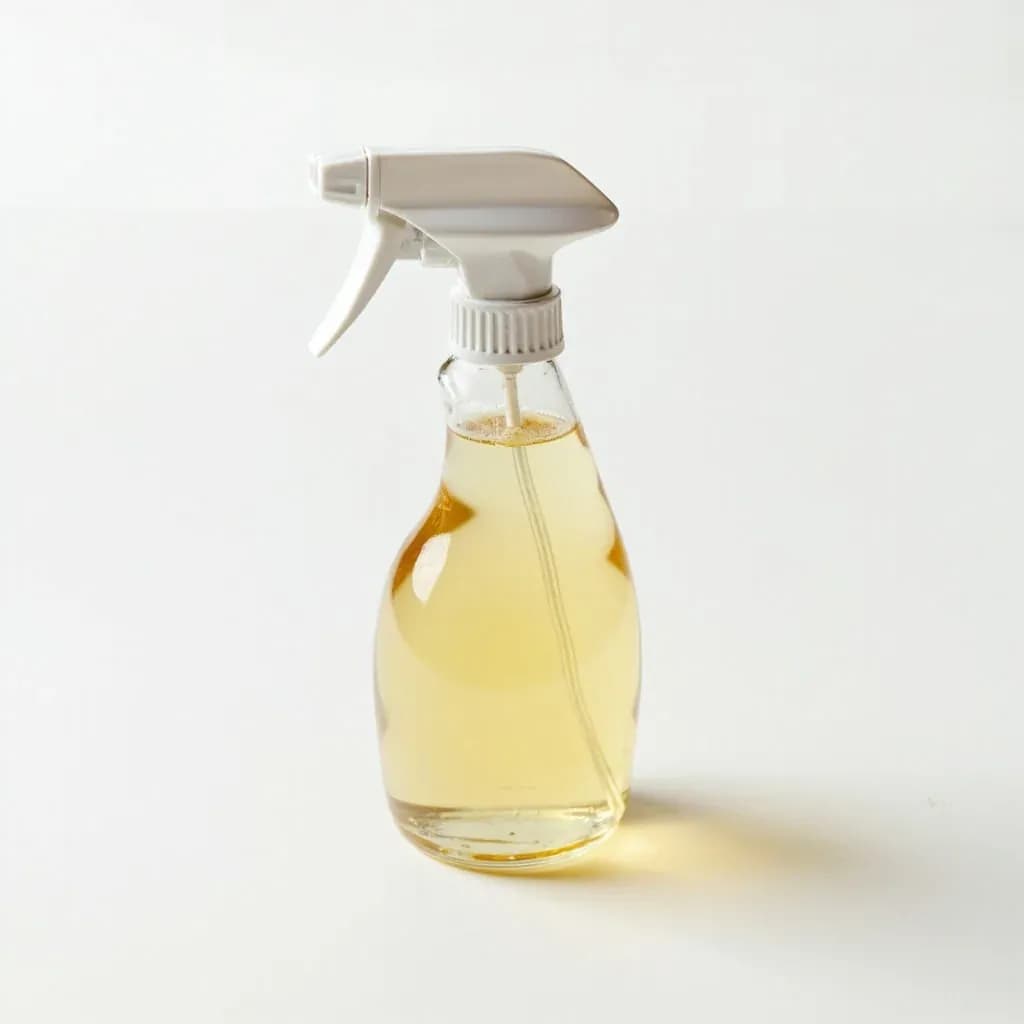
A spray cleaner for streak-free shine on glassware, display cases, and stainless surfaces.
Glass cleaner is a fast-evaporating spray, usually ammonia- or alcohol-based, that lifts grease and water spots without leaving streaks. In kitchens it polishes glassware, display cabinets, oven doors, and stainless steel to a clear shine. Because it is not always food-safe, it is used on surfaces and serviceware rather than on food-contact equipment, which gets dedicated sanitizer instead.
Glass cleaner is the finishing product of a professional or well-run home kitchen — the one called into service after the real cleaning and sanitizing are done. Its job is narrow but visible: lift the oily fingerprints, cooking vapors, hard-water haze, and dust that settle on transparent and reflective surfaces so glassware, display cases, and appliance fronts read as polished rather than fogged. Most formulas are built on a small toolkit of ingredients — water as the carrier, a solvent (isopropyl alcohol, vinegar, or ammonia) to cut grease and speed evaporation, and a surfactant to break surface tension so the liquid sheets out instead of beading into droplets that streak.
The critical thing a cook needs to understand about glass cleaner is that it is not a sanitizer. It will not meet NSF or ServSafe standards for food-contact surfaces, and it should never be the last thing that touches a cutting board, a prep counter, or anything else food will land on. Use it on windows, mirrors, oven doors, stemware exteriors, and stainless fronts; rinse anything food-touching with potable water afterward. Knowing where glass cleaner ends and where a chlorine, quat, or iodine sanitizer begins is the line that separates a presentable pass from a safe one.
Used correctly, though, a good formula and a clean microfiber will do more for the look of an open kitchen, a bar, or a pastry counter than almost any other product on the shelf.
Alternatives
Types & varieties
Traditional formulas with strong grease-cutting power; the long-standing restaurant default, but should never be mixed with bleach and can degrade tinted or low-E glass coatings over time.
Plant-derived acetic acid formula with lower odor and a friendlier profile around food prep; may need more buffing to fully eliminate streaks on heavily filmed glass.
Uses isopropyl alcohol as the main solvent so the film evaporates quickly; favored when a truly spotless finish matters more than degreasing strength.
Thickened foam that clings to vertical surfaces — useful for tall display cases, shower doors in staff restrooms, and range hood glass.
Plant-based surfactants, no ammonia or phosphates; several carry EPA Safer Choice certification for kitchens that prioritize green cleaning protocols.
Concentrated refills in 1-gallon jugs and larger sizes stocked at restaurant supply houses for bars, hotels, and catering operations.
Single-use wipes for quick touch-ups on glass and stainless between full cleanings; convenient at the bar pass or buffet line.
Hybrid glass-and-stainless formulas that include a small amount of mineral oil to leave a polished sheen on stainless fronts, hoods, and backsplashes.
Where glass cleaner fits in the cleaning sequence
A clean kitchen is built in three distinct steps, and glass cleaner only belongs in the last one. Cooks who skip or scramble the order end up with streaky glass or, worse, contaminated food-contact surfaces.
- Step 1 — Clean: physically remove food residue, grease, and soil with a detergent appropriate to the surface (degreaser on hoods, dish soap on glassware).
- Step 2 — Rinse: flush detergent residue with clean potable water. Detergent left behind will both streak glass and interfere with sanitizer effectiveness.
- Step 3 — Sanitize (food-contact surfaces only): apply an approved sanitizer — chlorine at 50–100 ppm, quaternary ammonium at 200–400 ppm, or iodine at 12.5–25 ppm — and let it sit for the labeled contact time.
- Step 4 — Polish: only now does glass cleaner come out, and only on non-food-contact transparent and reflective surfaces such as windows, mirrors, oven door glass, display cases, and appliance fronts.
Stemware and bar glassware
In a working bar, glass cleaner has a specific role: removing the film that detergent and hard water leave behind on the outside of wine glasses, decanters, and cocktail coupes. A final wipe with a clean, lint-free cloth lightly misted with alcohol-based glass cleaner brings back the sparkle that signals care to the guest. It is a finishing touch, not a wash step — never substitute it for proper washing, rinsing, and air-drying of the inside of any drinking vessel.
Common uses
Tips & pitfalls
- Always use a clean, lint-free microfiber cloth; paper towels shed fibers and chamois gives the clearest finish on display glass and stemware.
- Spray onto the cloth rather than directly onto glass near food — overspray can migrate onto prep surfaces and onto the food itself.
- Never use glass cleaner on food-contact surfaces (cutting boards, prep counters, interior of glassware) without a full rinse with potable water; it is a cleaner, not a sanitizer.
- Avoid ammonia-based formulas on tinted, coated, low-E, or anti-glare glass — ammonia will degrade the coating over time and cause clouding.
- Never mix glass cleaner with bleach or any other cleaner; ammonia plus bleach produces toxic chloramine gas, a serious respiratory hazard.
- For hard-water spots on glassware and shower doors, soak in straight white vinegar first, then finish with glass cleaner for full clarity.
- Buff in an S-pattern rather than tight circles to avoid visible streak patterns under display and pass lighting.
- Replace or launder microfiber cloths frequently — a grease-loaded cloth will simply redeposit film and make glass look worse than before you started.
Good to know
- Type
- Spray-on liquid cleaning solution for non-porous transparent and reflective surfaces
- Primary active ingredients
- Water, isopropyl alcohol, surfactants, plus ammonia (traditional) or acetic acid (vinegar-based)
- Typical pH
- Mildly alkaline (around 10–11) for ammonia formulas; near neutral for vinegar-based
- Form
- Trigger-spray bottle; also available as aerosol, pre-moistened wipes, and concentrated refills
- Common sizes
- 16 oz, 22 oz, 26 oz, and 32 oz trigger sprays; 1-gallon refills for commercial kitchens and bars
- Flash point
- Non-flammable when ammonia-based; alcohol-based formulas are flammable until fully dry
- Shelf life
- Approximately 2 years unopened; about 1 year once opened
- Food-contact safety
- Not an approved food-contact sanitizer; rinse with potable water if used on any surface that touches food
Also called
Glass Cleaner (Surfaces/Glassware) · Window Cleaner · Glassware Spray
Related

Paper Towels
Disposable sheets for spills, drying, and patting dry

Kitchen Towels
Reusable cloths for drying, gripping, and wiping

Oven Mitts
Heatproof gloves to handle hot pans and trays safely

Disposable Gloves
Single-use gloves for safe, mess-free handling

Cleaning Cloths
Reusable cloths for wiping counters and spills

Tortilla Warmer
Insulated holder that keeps tortillas warm and soft

Trivet
Heatproof stand that shields surfaces from hot pots

Ice Bath Setup
Bowl of ice water that halts cooking and sets color