Storage & Containers
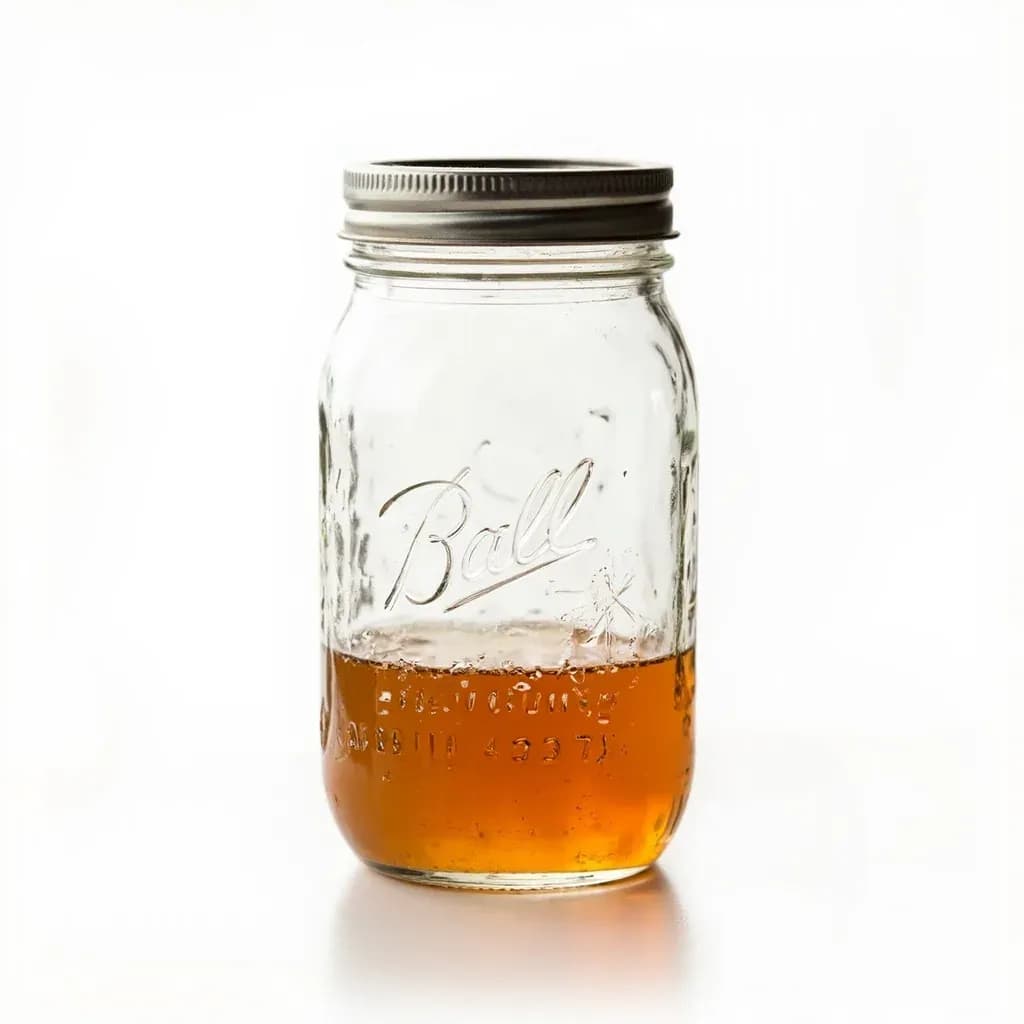
Glass Storage / Preserving Jar
Sealable glass jar for storing dry goods and canning jams, pickles, and preserves.
A glass jar is a clear, sealable container used to store dry goods, sauces, and stocks, and to can or preserve jams, pickles, and ferments. Its non-porous glass won't stain or hold odors and lets cooks see contents at a glance. Purpose-made canning jars take a two-piece lid that forms a vacuum seal during hot-water or pressure processing for shelf-stable preserves.
Glass storage and preserving jars are the backbone of any serious home kitchen, serving as both practical storage vessels and essential equipment for home canning. Unlike plastic containers, glass is impermeable to odors, stains, and fats—nothing permeates it, and nothing leaches out. This makes glass the gold standard for long-term food storage, particularly for preserving the color, flavor, and nutritional integrity of ingredients over months or even years.
The defining feature of a quality preserving jar is its airtight sealing mechanism. Whether achieved through a two-piece metal lid with plastisol compound, a vulcanized rubber gasket held by metal clips, or a spring-loaded swing-top, the seal creates a vacuum that prevents spoilage organisms from entering. This vacuum seal is what makes water-bath canning possible: as the jar cools after processing, the internal pressure drops, pulling the lid tight against the rim for a hermetic seal. Understanding this mechanism is essential—without a proper seal, even properly processed food can spoil.
Material composition matters significantly. Soda-lime glass, the most common type, handles typical temperature swings well but can crack under sudden thermal shock (say, moving a hot jar directly onto a cold counter). Borosilicate glass—used in laboratory glassware and some premium jars like certain Weck models—tolerates far greater temperature differentials and can even withstand direct contact with burner flames. Most home canning takes place between 180°F and 240°F (82°C–116°C), well within the tolerance of any quality jar, but thermal shock from careless handling remains a common cause of breakage.
Alternatives
Types & varieties
Standard narrow-mouth jar with threaded rim; most widely available globally; compatible with many lid sizes
Wider opening for easier filling and scooping; preferred for fermentation and dry goods
Brand-name Mason jars; Ball and Kerr are US brands; Bernardin is Canadian; largely interchangeable with standard Mason sizing
German cylindrical jar with glass lid and stainless steel or vulcanite clips; requires separate rubber gasket per use; noted for air-free seal
French jar with spring clamp and glass lid; similar sealing mechanism to Weck; widely used in Europe
British jar originally with ground glass stopper; modern versions use swing-top metal cap or push-button airtight lid
Italian swing-top jar; metal spring lever holds the lid; durable and reusable; excellent for oils and vinegars
Smaller, often squat jar specifically sized for a single batch of jam or a few servings of preserve
European lug-lid jars with bayonet-style closure; common in Eastern Europe; sizes like 370 ml, 720 ml
Shoulder-seal jar with metal bail (lever) that compresses a rubber gasket; used for fermentation and long-term storage
Choosing the Right Jar for Canning
Not all glass jars are suitable for canning. Only jars specifically manufactured and labeled for canning should be used in water-bath or pressure canners. The glass formula, thickness, and temper are engineered to withstand the repeated thermal stress of canning. Regular food storage jars, decorative jars, or jars from commercial products (like pasta sauce jars) are not designed for canning—their glass composition cannot handle the heat differentials involved.
- Look for the word 'canning' or 'heat-tempered' on packaging
- Mason-style jars with threaded rims are the industry standard
- Avoid jars with chips, cracks, or uneven rims regardless of intended use
- Verify that jars are rated for your specific canner type (water-bath vs. pressure)
Closure Compatibility
The distinction between jar brands and their closures matters practically. Mason jars have standardized thread dimensions (regular or wide mouth), but European systems like Weck and Le Parfait use proprietary glass lids and rubber gaskets that are not interchangeable with Mason closures. When purchasing or substituting, always verify rim diameter and closure system compatibility.
- Mason lids come in two standard sizes: regular (70 mm) and wide mouth (86 mm)
- Weck jars require their own glass lids and specific rubber gaskets
- Le Parfait uses a distinctive spring clamp system with glass lids
- Fido and Bormioli Rocco swing-top jars use a separate silicone or rubber gasket that must be replaced when worn
Common uses
Tips & pitfalls
- Always inspect rims for chips or cracks before canning; a damaged rim prevents a proper seal and risks breakage under heat or vacuum
- Preheat jars in hot water (180°F/82°C) before water-bath canning to prevent thermal shock and reduce processing time
- Use new two-piece lids for each canning session; the sealing compound is designed for single use and will not reseal reliably after first use
- Finger-tighten screw bands only — over-tightening prevents air venting during processing and can buckle the lid's sealing compound
- For dry goods storage, ensure contents and jars are completely dry to prevent mold; adding a food-safe oxygen absorber packet extends shelf life
- Store canning jars without screw bands to prevent them from rusting or creating a false seal over time
- Borosilicate jars (like some Weck and laboratory-style jars) tolerate direct flame and extreme temperature changes better than soda-lime glass; do not apply this to standard Mason jars
- Vintage jars with glass lids or ground-glass stoppers require careful handling; store them upright to protect the stopper seal
- Label jars with contents and date; canned goods should be used within 12–18 months for best quality
- Pressure canners reach 240°F (116°C); use only jars explicitly rated for pressure canning to avoid breakage
Good to know
- Inventor
- John Landis Mason patented the threaded Mason jar in 1858
- Common Materials
- Soda-lime glass (most common) or borosilicate glass (higher thermal resistance)
- Closure Types
- Screw-band with two-piece lid, spring clip/swing-top, lever bail, friction fit, or lug lid
- Lid Sealing Compound
- Plastisol on two-piece metal lids; vulcanized rubber on vintage and European lids
- Heat Tolerance
- Borosilicate: thermal shock to ~180°C; Soda-lime: thermal shock to ~95°C
- Dishwasher Safe
- Bodies generally yes; metal lids and rubber gaskets hand-wash recommended
- Shelf Life (sealed)
- Canned goods: 12–18 months; Dry goods: 6–12 months depending on contents
- Sizes
- 125 ml (4 oz) to 1.9 L (64 oz); most common for home use: 250 ml, 500 ml (pint), 1 L (quart)
- BPA Status
- Many two-piece metal lids now use BPA-free coating; check packaging; borosilicate and polypropylene lids are available BPA-free
Also called
glass-storage-jar · glass-storage-jars · jar · jars-glass · glass-jars · preserving-jar · canning-jar · jam-jar · mason-jar · mason-jars · storage-jar · storage-jar-2 · empty-jar · food-storage-jar · glass-pickle-jar · earthen-storage-jar · cling-storage-jar · bottle-water-storage · kilner-jar
Related

Freezer Bags
Thick, sealable bags built to fight freezer burn

Storage Bags
Resealable bags for fridge storage and marinating

Storage Container
Lidded container for leftovers, prep, and meal kits

Glass Container
Oven-to-fridge glass that won't stain or hold odors

Plastic Container
Lightweight, stackable storage for everyday leftovers

Vacuum Sealer Bags
Airtight bags for long freezing and sous-vide

Reusable Bags
Washable silicone bags that replace single-use plastic

Mason Jar
Sealed glass jar for preserves, pickles, and storage