Heat & Safety
Glass Polishing Cloth
A lint-free cloth for buffing glassware and stemware to a clear, smear-free finish.
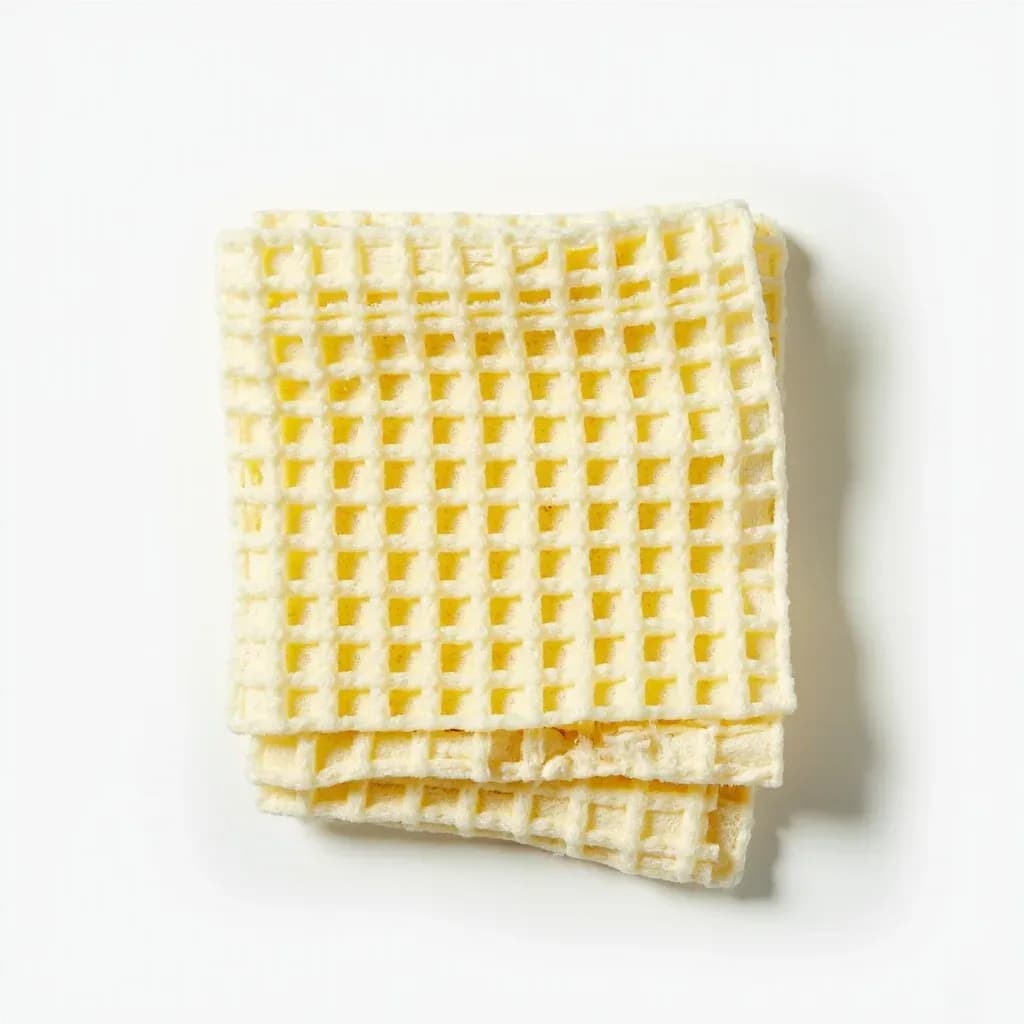
A glass polishing cloth is a soft, lint-free textile, often a waffle-weave linen or microfiber, used to buff glasses dry without leaving fibers or streaks. Bartenders and front-of-house staff polish stemware, tumblers, and decanters after washing so they sparkle under light. Holding the glass with the cloth rather than bare hands also keeps fingerprints off the polished surface.
A glass polishing cloth is the final finishing tool in glass care — a lint-free, non-abrasive textile used to buff already-clean glassware to a clear, smear-free shine. Unlike a general kitchen towel, which can shed fibers, carry detergent residue, or leave streaks on a polished surface, a true glass cloth is selected (or engineered) to lift the last traces of mineral deposit, hard-water film, and fingerprint oils without depositing anything of its own. The distinction matters most where clarity is judged at a glance: a wine pour at a tasting bar, a decanter under candlelight, a sparkling water service on a bare table.
There are two material families in regular use. Microfiber — typically a split polyester/polyamide blend with filaments under 0.5 denier — is the modern workhorse, prized for its absorbency and ability to grab oil films from a smooth surface. Flat-weave European linen is the traditional choice, slow to break in but capable of years of service if line-dried and never exposed to softener or bleach. Both work on cool, intact glass only: pressing a polishing cloth against hot glass (fresh from a dishwasher or a hot rinse) can cause thermal shock in the glassware, and exposing the cloth to high heat in the dryer will destroy its performance in short order.
In professional service, the cloth is the last step after washing with a dedicated glass brush or a commercial glasswasher. At home, it earns its place any time you want stemware or decanters to look genuinely clean — not merely rinsed.
Alternatives
Types & varieties
The modern standard. Tightly woven split microfiber that lifts oils, water spots, and fine dust; very absorbent; available in single- or two-ply weights.
Traditional choice — flat-weave European linen, often with a small dobby border. Becomes softer and more absorbent with washing; minimal lint when properly laundered.
A scrubber or waffle-weave face for cleaning paired with a smooth polishing face for the final buff.
A hand-shaped version that fits over the hand for quick buffing of stemware, decanters, and glass cloches.
Single-use, low-lint nonwoven wipe lightly moistened with an evaporating solvent; used in high-volume service for a fast final polish.
Larger 15 × 24 in or 16 × 27 in format used behind bars for polishing glassware and general glass surface cleaning.
Microfiber vs. Linen
Both materials do the job, but they behave differently in service. Choose microfiber when speed and oil-grabbing matter most — a busy bar, a tasting room turning dozens of pours an hour, or a household with hard water. Choose linen when you want longevity, a traditional feel, and a cloth that improves with age; linen tea towels double as serviceable glass cloths once they've been washed a few times. Avoid terry towels and paper towels for final polishing — terry sheds loops and paper leaves fibers. A tightly woven, well-laundered cotton flour-sack towel is actually one of the classic substitutes and works well once broken in.
When to Replace the Cloth
A glass cloth is a consumable, not a permanent tool. Retire it the moment it shows any of these signs: visible shedding under direct light, a slick or waxy hand-feel (almost always softener buildup), persistent haze on glass after polishing, or a sour smell that won't wash out. In a high-volume bar, expect to cycle cloths on a regular schedule; at home, a well-cared-for linen cloth can last years, a microfiber cloth a year or two.
Common uses
Tips & pitfalls
- Wash new microfiber cloths once before first use to remove factory sizing and any loose fibers from the manufacturing cut.
- Never use fabric softener or dryer sheets — they coat the microfibers with a waxy film that destroys absorbency and leaves streaks on glass. This is the single most common cause of streaky stemware in a home kitchen.
- Skip chlorine bleach; oxygen-based brighteners are safer for fiber integrity and color.
- Fold the cloth into quarters — you get eight clean faces per cloth and can rotate to a fresh section as one side becomes damp or loaded with residue.
- Polish glass at room temperature; buffing hot glass fresh from the dishwasher or a hot rinse can cause thermal shock and crack fine stemware.
- Inspect the cloth under direct light before use and replace it once it begins shedding, feels slick, or leaves haze behind.
- Keep a dedicated glass-polishing cloth separate from general kitchen wipes to avoid cross-contamination with oils, grease, or food residue.
- For decanters, drape a flat glass cloth over the opening and use both hands to rotate the decanter while the cloth removes interior water spots — far safer than reaching inside with a towel.
- Store flat or loosely folded in a dry drawer; compressed storage can flatten fibers and reduce pickup performance.
Good to know
- Material
- Microfiber (typically an 80/20 or 70/30 polyester/polyamide blend) or 100% flat-weave linen; specialty cloths may use tightly woven cotton or a linen-microfiber blend.
- Key Property
- Lint-free and non-abrasive; designed to leave no fibers, streaks, or haze on clear glass.
- Typical Sizes
- Hand cloths run roughly 12 × 12 in to 16 × 16 in; bar-towel format runs about 15 × 24 in to 16 × 27 in; mitts and pads are also made.
- Weave
- Tight, flat or waffle weave; polishing-grade microfiber uses filaments under 0.5 denier per fiber for maximum surface contact.
- Reusability
- Machine washable; quality microfiber is rated for 100–500 wash cycles before losing effectiveness.
- Wash Care
- Wash with mild detergent only — no fabric softener, no chlorine bleach, no high heat; softeners and bleach coat or degrade the fibers.
- Dry Care
- Tumble dry low or air dry; high heat damages the microfiber structure and shortens cloth life.
- Working Temperature
- Use on room-temperature or cool glass only — applying to hot glass can crack stemware and scorch the cloth.
- Where Used
- Professional bars, restaurants, wineries, and tasting rooms; home kitchens and dining rooms for stemware and decanters.
Also called
Glass-Polishing Cloth · Stemware Cloth · Bar Polishing Cloth
Related

Paper Towels
Disposable sheets for spills, drying, and patting dry

Kitchen Towels
Reusable cloths for drying, gripping, and wiping

Oven Mitts
Heatproof gloves to handle hot pans and trays safely

Disposable Gloves
Single-use gloves for safe, mess-free handling

Cleaning Cloths
Reusable cloths for wiping counters and spills

Tortilla Warmer
Insulated holder that keeps tortillas warm and soft

Trivet
Heatproof stand that shields surfaces from hot pots

Ice Bath Setup
Bowl of ice water that halts cooking and sets color