Heat & Safety
Insect Glue Board / Fly Trap
A sticky board or trap that captures flies and crawling insects to keep kitchens and prep areas hygienic.
An insect glue board is a flat card coated with strong non-drying adhesive that traps flies, gnats, and crawling pests on contact. Kitchens and food-storage rooms place them along walls, inside light traps, or near doorways to control insects without spraying chemicals near food. Boards are replaced once full, and pheromone or UV-light versions draw insects in for higher catch rates.
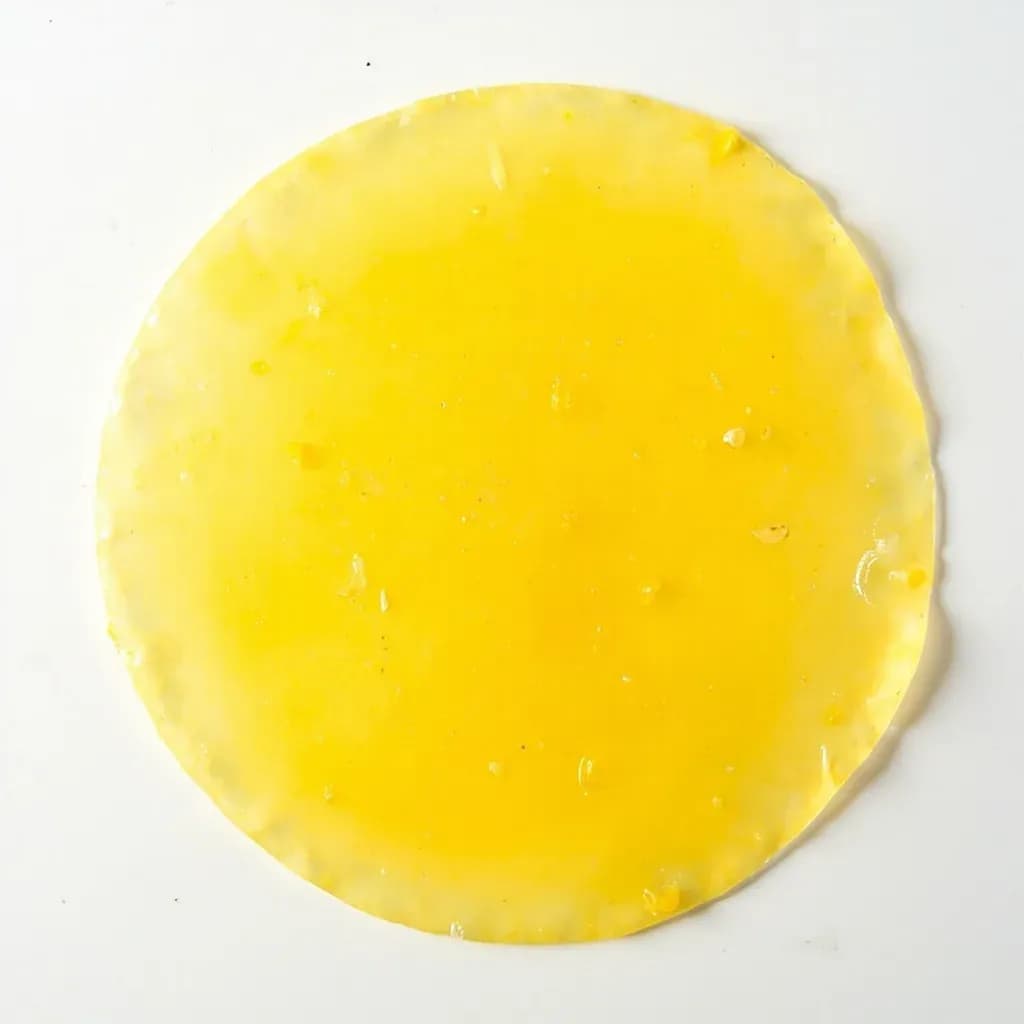
A glue board is one of the most useful passive tools a working kitchen can deploy against flying and crawling pests. It is simply a rigid card or plastic tray coated with a non-drying pressure-sensitive adhesive — usually a polybutene or synthetic rubber hot-melt — that holds fast to anything that walks or lands on it. Yellow versions exploit a well-documented phototactic response in many insects, drawing them in from across a room, while white and clear boards are preferred when accurate species identification matters later.
Glue boards do not eliminate an infestation on their own, and treating them as a magic strip is the most common mistake cooks and kitchen managers make. Their real job is twofold: suppression of adult flies, roaches, gnats, and spiders in the food zone, and monitoring — giving you a dated, countable record of pest pressure that informs sanitation work and aligns with health-department and third-party audit expectations. In a commercial kitchen running an Integrated Pest Management (IPM) program, they are typically the first defensive tool deployed because they leave no spray residue, no chemical odor, and minimal risk of contaminating food.
Alternatives
Types & varieties
Standard disposable card coated with adhesive; the workhorse of kitchen IPM programs.
Bright yellow card that exploits insects' attraction to yellow wavelengths; especially effective for whiteflies, fungus gnats, and other small flying pests.
Folds into a low tent so insects can be lured from multiple angles; used for cockroaches and mice.
Pre-coated card designed to stick directly to windows or near light sources where flies congregate.
Enclosed plastic or cardboard box with interior adhesive and entry slits; keeps captured insects out of sight in customer-facing areas.
Long hanging ribbon coated in adhesive; the traditional form sold for household kitchens and pantries.
Sturdy tray sold with separate adhesive glue or refill cards; reduces cardboard waste over time.
Hangs from the ceiling; interior is coated adhesive, sometimes baited with a food-based attractant for stubborn fly populations.
Placement Strategy
Most crawling insects do not cross open floor — they travel along edges, baseboards, and the seam where wall meets counter. This thigmotactic behavior is what makes placement almost as important as the board itself. A glue board laid in the middle of a kitchen floor will catch almost nothing, while the same board tucked into a corner where a wall meets a piece of equipment will pull in a steady stream of roaches and spiders. Flying insects, by contrast, follow light and air currents, so vertical and window-mounted placements work better for them than floor-level ones.
- Tuck boards into the back corners of cabinets, behind dishwashers, and along the wall behind the cook line.
- Run them along the back edge of floor drains and around mop sinks, where humidity draws pests in.
- Place a few boards vertically near doorways and loading-dock entries to intercept incoming flies.
- In produce rooms and beverage stations, deploy yellow cards at eye level on shelving — fungus gnats and fruit flies are strongly drawn to the color and to overhead light.
- Position boards at least 6–10 feet from active prep surfaces where practical, to keep them out of the food zone while still sitting on the pests' travel path.
- Avoid locations directly above open food, exposed utensils, or clean dishware, and steer clear of strong air currents from fans or HVAC vents that will coat the adhesive in dust.
Common uses
Tips & pitfalls
- Number and date each board with a fine-tip marker so captures can be logged and hot spots identified week over week.
- Replace boards once the surface is roughly 60–70 percent covered — overloaded adhesive loses tack and starts acting as a dust collector instead of a trap.
- Place boards flush against walls or in corners, since most crawling insects travel along edges rather than across open floor.
- Use enough boards: commercial IPM baselines often call for one board per 100–200 square feet of kitchen space as a monitoring minimum.
- Do not touch the adhesive surface with bare hands — skin oils and dirt reduce stickiness and contaminate the glue.
- Pair glue boards with the underlying sanitation fix (drain cleaning, sealed food storage, emptied mop buckets); the boards catch the symptom, not the source.
- Check boards at least weekly; a neglected board becomes unsightly, stops catching, and tells an auditor you are not really running an IPM program.
- Check local regulations and third-party audit standards (such as GFSI schemes) before placing exposed boards in customer-facing or dining areas; some audits restrict open boards or require enclosed designs because of bycatch and animal-welfare concerns.
- Store unused boards flat in a cool, dry place — heat can cause the adhesive to bleed or run, ruining the trap before it is ever deployed.
Good to know
- Type
- Adhesive-based pest monitoring and capture device
- Common materials
- Cardboard or rigid plastic substrate coated with a non-drying pressure-sensitive adhesive
- Adhesive base
- Typically a polybutene or synthetic rubber-based hot-melt
- Typical colors
- Yellow (attracts many flying insects), white, or clear
- Standard sizes
- Small (~4 x 7 in), medium (~8 x 10 in), and large (~10 x 16 in) flat boards; roach- and mouse-sized traps around 4 x 9 in
- Primary targets
- House flies, fruit flies, fungus gnats, cockroaches, spiders, and other crawling insects
- Placement zones
- Along baseboards, wall-floor junctions, behind equipment, near refuse areas, and along flyways
- Service life
- Disposable; replaced when the surface is fully covered or after several weeks of dust and debris accumulation
- Indoor/outdoor
- Designed primarily for indoor use; weather-resistant versions exist for outdoor placement
- Regulatory use
- Standard component of Integrated Pest Management (IPM) programs in commercial food-service kitchens
Also called
Fly Trap · Glue Board · Sticky Insect Trap
Related

Paper Towels
Disposable sheets for spills, drying, and patting dry

Kitchen Towels
Reusable cloths for drying, gripping, and wiping

Oven Mitts
Heatproof gloves to handle hot pans and trays safely

Disposable Gloves
Single-use gloves for safe, mess-free handling

Cleaning Cloths
Reusable cloths for wiping counters and spills

Tortilla Warmer
Insulated holder that keeps tortillas warm and soft

Trivet
Heatproof stand that shields surfaces from hot pots

Ice Bath Setup
Bowl of ice water that halts cooking and sets color