Storage & Containers
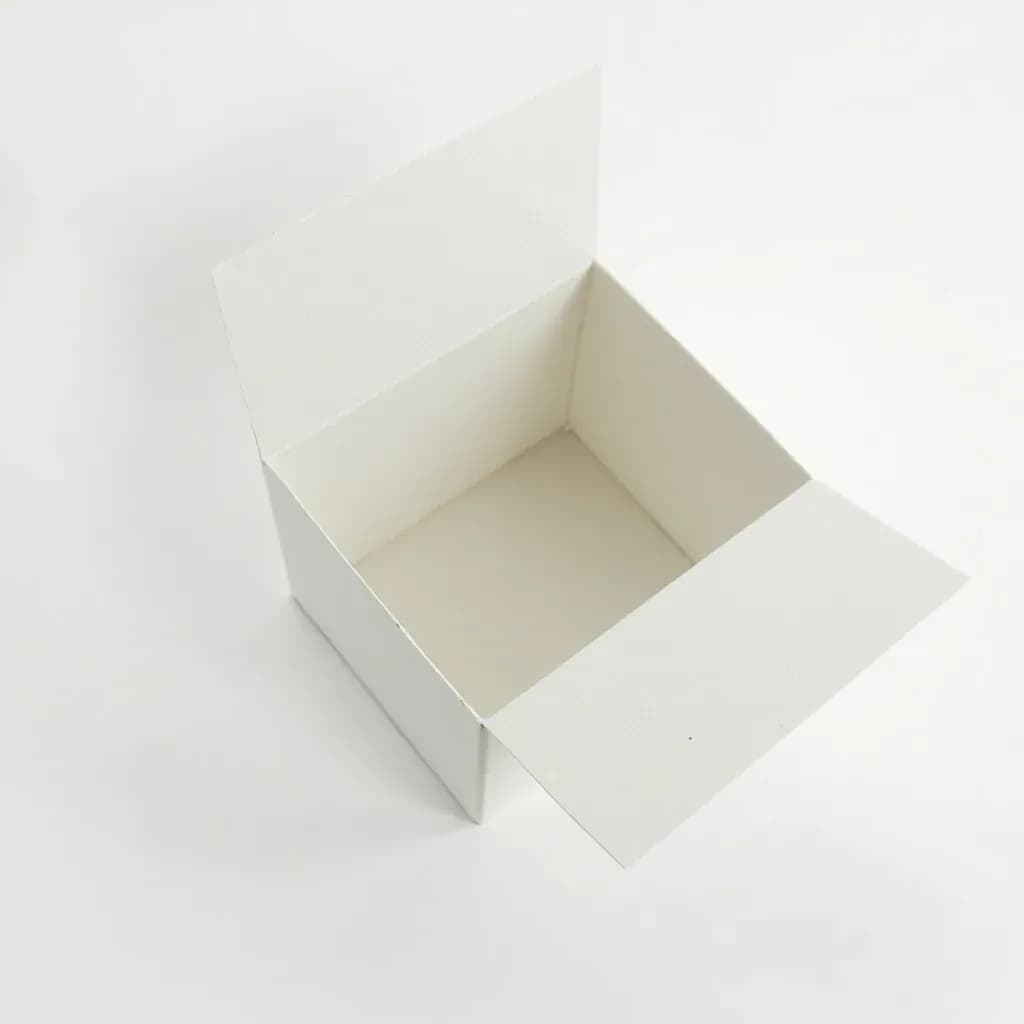
Insulated Foam Shipping Box
A polystyrene foam box that keeps perishables cold or frozen during shipping and transport.
An insulated foam shipping box is a thick-walled expanded-polystyrene container, usually inside a cardboard carton, that holds temperature for hours. Producers and caterers pack it with gel packs or dry ice to ship seafood, meat, dairy, and frozen goods safely. The closed-cell foam walls slow heat transfer, keeping the cold chain intact in transit far better than a plain box.
Polystyrene foam — most often expanded polystyrene, or EPS — is the workhorse material of small-parcel cold shipping. That white, bead-textured box your mail-order ribeyes, halibut, or meal kit arrives in is almost always a molded EPS shell, valued because it is light, cheap, and a surprisingly capable insulator. The closed-cell foam traps still air in tiny pockets, giving the walls an R-value of roughly 3.6 to 4.2 per inch; at the standard 1.5-inch wall used in most shipping coolers, the box performs somewhere between a thin soft cooler and a hard rotomolded ice chest. The colloquial name "Styrofoam" is actually a Dow trademark for extruded construction insulation, not the molded bead foam used in shippers, though the two terms get used interchangeably in shipping.
For the home cook, the box is useful in two ways: as a one-time arrival vessel you can repurpose for short errands, and as a dedicated transport tool for moving perishables home from a farmers' market, fish counter, or CSA pickup. A well-packed EPS box with the right amount of dry ice will keep a frozen payload under 40°F for two days; the same box with a few soft gel packs will hold food cold for roughly a day, often less in summer. Walls crush easily, and compressed foam loses a meaningful share of its insulating value, so most arrival boxes are retired after two or three uses rather than reused indefinitely. Recycling is the other catch: most curbside programs do not accept #6 plastic, so clean foam needs a specialty drop-off rather than the blue bin.
Alternatives
Types & varieties
The standard white bead-foam box used by seafood, meat, and meal-kit shippers; lightest and cheapest
Smoother-skinned, denser foam with a slightly higher R-value per inch and a bit more rugged
Thinner walls with higher insulation; common in pharma and premium frozen shipping
Thinnest walls and longest hold time, often 96+ hours; very expensive, used for high-value biologics and gourmet shipments
Grown from agricultural waste; compostable in industrial facilities but still 2 to 4× the cost of EPS
Soft-sided cotton batt liners for short-duration chilled mail; less common for heavy frozen goods
Large molded one-piece pallet box used for full-pallet cold-chain freight
Choosing a Coolant
The box itself is roughly the same no matter which brand you buy, so the practical decision for a home cook is which coolant to use and how much of it. A safe rule of thumb: 1 pound of dry ice per 5 pounds of frozen product will carry the load for about 24 hours, and roughly 10 pounds of frozen gel packs substitutes for 1 pound of dry ice. Dry ice is colder (-109°F surface) and lasts longer, but it sublimates into CO₂ and must never be sealed in an airtight container. Frozen gel packs are food-safe and the default for one-day transit, but they hold cold for a fraction as long per pound as an equal weight of dry ice, and they leak if punctured.
- Dry ice: longest hold, requires venting and paper wrapping, never airtight
- Frozen gel packs: food-safe, can leak if punctured, line the box with a poly bag
- Wet ice in sealed bags: cheap and effective for very short trips, but heavy and messy
- Pre-chill the empty box for at least an hour before packing so it isn't absorbing cold from your coolant on day one
Repurposing the Arrival Box
An EPS cooler that arrives holding a frozen turkey or a block of halibut has a useful second life. If the walls are intact and the lid still seats snugly, the box is perfectly serviceable for a drive home from the fish counter, a CSA pickup, or a few hours at a tailgate. Crushed corners, a lid that doesn't latch, or a noticeable smell of leaked fish juice are the signals to retire it.
- Forget rinsing with hot water — it warps the walls. Wipe with a dilute bleach solution and air-dry lid open.
- A retired box can be broken up and used as packing material, garden-bed insulation, or donated to a shipping store that accepts foam drop-offs.
- If your curbside program does not take #6 plastic, look for a foam-recycling bin at a grocery or big-box store, or a UPS Store / shipping center that accepts clean packing foam.
Common uses
Tips & pitfalls
- Fill every void with bubble wrap, kraft paper, or packing peanuts so cold air doesn't slosh around and warm air doesn't circulate against the payload
- Line the inside with a leak-proof poly bag before adding gel packs; a single punctured pack wets the payload and compromises the box's insulation
- Don't reuse a box with visibly crushed or compressed walls — once the foam cells are flattened, most of the R-value is gone
- For meal-kit-style packing, nestle frozen items against each other — thermal mass matters more than coolant volume — and place coolant on top where heat enters
- The same foam works in reverse for hot transport: line with foil, add hot packs, and an insulated box will hold a roast or casserole above 140°F for several hours
Good to know
- Material
- Expanded polystyrene (EPS) foam; occasionally extruded polystyrene (XPS); premium versions use polyurethane or vacuum-insulated panels
- Typical wall thickness
- 0.75 to 2 inches; most shipping coolers use 1.5-inch walls
- Working temperature range
- Roughly -112°F to 175°F (-80°C to 80°C), so it is safe for dry ice and for hot-packed transport
- Holdover time
- 24 to 72 hours of safe cold hold, depending on box size, payload mass, and amount of coolant
- Common capacities
- From 4-quart lunch-size up to 25+ cu ft pallet-size; most direct-to-consumer seafood and meal-kit boxes run 8 to 35 quarts
- Reusability
- Built for one-way shipping but reusable several times if walls stay intact
- Recyclability
- Recyclable where #6 EPS is accepted; not accepted in most curbside streams
- Cost range
- Roughly $1 to $6 per box wholesale for standard EPS shipping coolers
Also called
Foam Cooler Box · Polystyrene Shipping Box · EPS Cooler
Related

Freezer Bags
Thick, sealable bags built to fight freezer burn

Storage Bags
Resealable bags for fridge storage and marinating

Storage Container
Lidded container for leftovers, prep, and meal kits

Glass Container
Oven-to-fridge glass that won't stain or hold odors

Plastic Container
Lightweight, stackable storage for everyday leftovers

Vacuum Sealer Bags
Airtight bags for long freezing and sous-vide

Reusable Bags
Washable silicone bags that replace single-use plastic

Mason Jar
Sealed glass jar for preserves, pickles, and storage