Storage & Containers
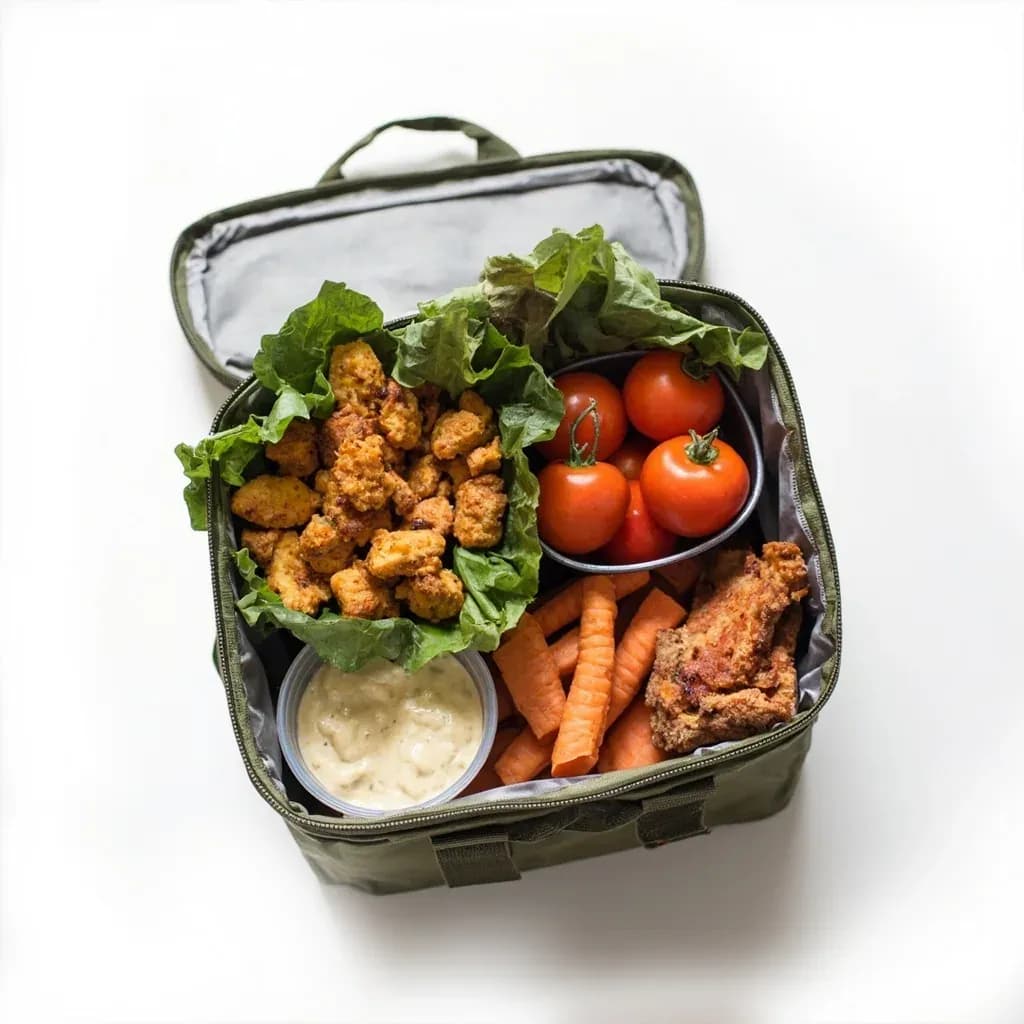
Insulated Meal-Prep Bag
A soft insulated bag that keeps prepped meals and containers hot or cold while carried or delivered.
An insulated meal-prep bag is a soft-sided carrier lined with foil and foam to hold temperature. Meal-preppers, caterers, and delivery cooks use it to transport stacked food containers, keeping them hot or chilled until serving. The reflective lining and padded walls slow heat loss, and many include a divider or ice-pack slot to separate hot and cold items.
The insulated meal-prep bag is the soft-sided descendant of the picnic cooler, built not for a beach day but for the daily commute between refrigerator and lunch break. Inside a tough outer shell — usually polyester, nylon, or canvas — sits a layer of closed-cell foam, typically 5 to 15 mm thick, that slows conductive heat transfer. Many bags add a reflective foil layer that cuts radiant heat loss, and the interior is lined with a food-contact plastic (PEVA or EVA in modern bags, foil laminate or vinyl in older ones) chosen because it wipes clean and does not flavor what sits against it.
What separates a useful bag from a useless one is how well it holds the temperature the food started with. Cold food typically stays below 40°F/4°C for two to four hours when paired with a frozen gel pack; hot food stays above 140°F/60°C for about one to two hours, and every zipper opening shrinks that window. A half-empty bag loses temperature far faster than a packed one, which is why experienced meal-preppers fill dead space with a towel or an extra container rather than leave air pockets around the food.
These bags have grown well beyond the school lunchbox. Meal-prep subscription services, ghost kitchens, and catering operations rely on rigid-backed commercial bags to deliver sheet pans still hot an hour after pickup, while commuters use backpack-form bags to keep a morning-packed salad cold through a six-hour shift. The humble soft cooler is now a working tool of both home cook and small-business operator.
Alternatives
Types & varieties
Small (4–8 L), single-compartment, often with a flat pocket for an ice pack. Sized for one or two containers plus a drink.
Padded backpack form with a thermal main compartment, useful for commuters and students who also carry a laptop or books.
Medium (15–30 L) zipper-top cooler with a wider footprint; doubles as a picnic bag and a short-haul grocery cold-transport bag.
Large format with a stiff foam or board back panel to keep stacked sheet pans and hotel pans level; standard kit for restaurant delivery and meal-prep subscription services.
Squat and wide with vent holes to release steam, plus an internal rack to hold multiple 16–18 in. boxes upright without tilting.
Heavier foam and reflective lining; some models include a sealed top flap to trap steam and keep plated food above 140°F/60°C.
Compact, often with a built-in utensil pocket and a slot for a small reusable ice pack; designed for one portioned meal.
Tall upright tote shape for cold groceries on the trip home; sized to hold a few bags of refrigerated staples.
Matching the bag to the job
The right bag depends less on brand than on three measurable things: foam thickness, liner rating, and whether the back panel is rigid. A commuter carrying one bento box needs a 4–8 L soft personal bag with at least 5 mm of closed-cell foam and a PEVA liner. A caterer moving multiple sheet pans to an event needs a 40–75 L rigid-backed bag with 10–15 mm foam and a reflective inner lining; the rigid panel keeps pans level, prevents crushing, and protects the foam from compression damage during transport. Pizza, soup, and plated-hot delivery each call for their own specialized shape — vented for pizza, sealed-flap for soup, rigid-racked for stacked plates.
When in doubt, size up rather than down. A half-empty bag loses temperature quickly, while a slightly oversized bag can be packed with a folded kitchen towel to add a second insulating layer around the food.
- Foam thickness is the single most important spec — at least 5 mm for personal use, 10 mm or more for any hot-hold application over an hour.
- Choose a rigid back panel if you carry sheet pans, hotel pans, or stacked containers; choose a flexible panel if you mostly carry round or irregularly shaped containers.
- Look for a PEVA or EVA liner that is explicitly labeled food-contact and BPA-free, especially if you carry hot curries, tomato sauces, or citrus-based foods.
Common uses
Tips & pitfalls
- Pre-condition the bag before loading: chill it with a frozen gel pack for 15–20 minutes, or warm it with a hot-water bottle, so the bag is not fighting the food's starting temperature.
- Pair with a rigid-bottom container — plastic bento, glass with silicone sleeve, or metal tiffin — so food does not get crushed and air gaps do not form around it.
- Use one large flat ice pack rather than several small ones; the larger surface area chills more evenly and lasts longer.
- For hot transport, wrap the food container in a clean kitchen towel inside the bag; the trapped air pocket adds insulation without trapping excess moisture against the lid.
- Fill empty space with a folded towel or paper; a half-empty bag loses temperature far faster than a full one.
- Wipe the interior after every use, especially after raw-meat drippings or saucy curries, and let it air-dry open to prevent mildew and odor that the foam will absorb.
- Rotate and replace gel packs regularly — a pack that no longer freezes solid overnight has lost its usefulness.
- In very hot weather, treat the bag as a short-term hold only: perishable food should not sit above 40°F/4°C for more than about 2 hours total (1 hour above 90°F/32°C).
- Do not store the bag compressed under heavy gear long-term; compressed foam loses loft and the bag will no longer insulate well.
- Avoid carrying leaking containers — even a small spill into the foam layer causes odor and bacterial growth that cannot be fully washed out.
Good to know
- Typical construction
- Three-layer build: durable outer shell (polyester, nylon, or canvas), middle insulation (closed-cell PE/EPE foam, often with reflective foil), and food-contact inner liner (PEVA, EVA, food-grade vinyl, or foil laminate).
- Temperature retention
- Cold items stay below 40°F/4°C for roughly 2–4 hours with a frozen gel pack; hot items stay above 140°F/60°C for about 1–2 hours. Every zipper opening shortens that window.
- Insulation thickness
- Standard consumer bags use 5–8 mm closed-cell foam; commercial catering bags use 10–15 mm foam or rigid foam inserts.
- Capacity range
- Personal lunch bags 4–8 L; medium cooler bags 15–25 L; large catering/delivery bags 40–75 L; pizza bags sized to 16–18 in. boxes.
- Inner liner
- Modern standard is food-grade PEVA or EVA, which is wipe-clean and low-odor; older PVC and foil laminates are still common in lower-cost units.
- Care
- Hand-wipe with warm water and mild soap, then air-dry fully with the zipper open. Machine washing destroys foam loft and seam integrity.
- Service life
- Two to four years of regular daily use; foam compression and zipper failure are the usual end-of-life points.
- Food-safety note
- Liner should be BPA-free and explicitly food-contact rated. This matters most for hot foods and acidic items, which can leach from lower-grade plastics.
Also called
Lunch Cooler Bag · Meal-Prep Cooler · Insulated Tote
Related

Freezer Bags
Thick, sealable bags built to fight freezer burn

Storage Bags
Resealable bags for fridge storage and marinating

Storage Container
Lidded container for leftovers, prep, and meal kits

Glass Container
Oven-to-fridge glass that won't stain or hold odors

Plastic Container
Lightweight, stackable storage for everyday leftovers

Vacuum Sealer Bags
Airtight bags for long freezing and sous-vide

Reusable Bags
Washable silicone bags that replace single-use plastic

Mason Jar
Sealed glass jar for preserves, pickles, and storage