Heat & Safety
Keg Seals / O-Rings
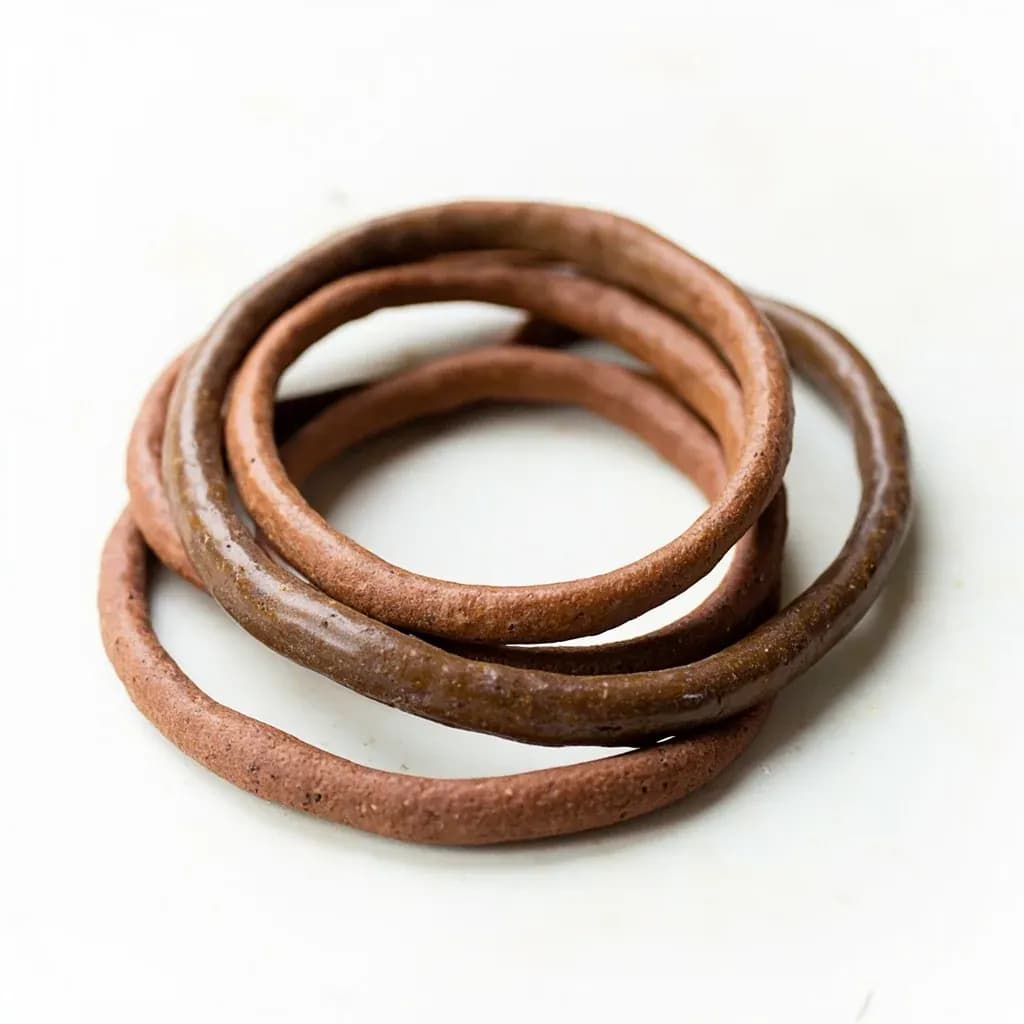
Rubber gaskets and O-rings that seal keg valves and posts to hold pressure without leaks.
Keg seals are the rubber O-rings and gaskets that seal a keg's valve, dip tubes, and lid so it holds carbonation under pressure. Brewers and beverage operators replace them regularly because worn rings let gas leak and beer go flat. Food-grade silicone or EPDM rings are favored for their resistance to cleaning chemicals, heat, and the flavors they might otherwise pick up.
Keg seals and O-rings are the small rubber gaskets that hold pressurized gas and liquid inside any draft system. They live in the lid groove of a Cornelius keg, around the gas and beer posts, inside the poppet valves, on the disconnects, inside commercial Sankey couplers, and in the spout and lever of every beer faucet. None of these parts is exotic or expensive, yet a single cracked or dried-out ring is the cause of most slow leaks, hissing posts, foamy pours, and mysteriously flat kegs in both home and professional setups.
The vast majority of draft seals are made from food-grade Buna-N (nitrile), a workhorse rubber that handles beer, water, and CO2 across normal serving temperatures and tolerates routine acid-based sanitizing. EPDM is the upgrade material for hot cleaning cycles, steam, or acidic cleaners; silicone and Viton (FKM) cover specialty cases like extreme heat or harsh solvents. Most rings are molded to about 70 Shore A hardness — soft enough to seat, firm enough to last — with common sizes following AS568 dash numbers like -010, -012, -013, -014, -016, and -112. Treat O-rings as consumables, keep spares on hand, and the rest of the draft system stays out of trouble.
Alternatives
Types & varieties
Large flat gasket sealing the lid of ball-lock and pin-lock Corny kegs; the single most-replaced keg seal.
Seals the gas post on ball-lock and pin-lock Corny kegs; commonly AS568 -010 or -012.
Seals the beer-out post on Corny kegs; usually the same size as the gas-in post on ball-lock.
Sits inside ball-lock posts around the poppet that opens when a disconnect is attached; critical for pressure hold.
Located on ball-lock and pin-lock disconnects; keeps the connection to the keg post leak-free.
Flat rubber washer inside a D-system Sankey coupler that seals against the keg valve; standard in commercial draft.
Spout and lever O-rings on standard beer faucets; the usual cause of a drippy tap.
Magnetic or compression gasket sealing the kegerator door to keep cold air in.
Default food-grade rubber for beer and water at normal temperatures; durable and inexpensive.
Better for acidic sanitizers and hot cleaning cycles; slightly less abrasion-resistant.
Wide temperature range and neutral taste; softer and more prone to tearing, used in some faucet seals.
Premium chemical resistance for aggressive cleaners or solvents; rarely needed for beer service.
Diagnosing a Leaking Keg
Most draft problems blamed on a bad keg are actually bad seals. A systematic check finds the culprit in minutes without wasting beer.
- With the keg empty and clean, pressurize it to 30–40 PSI through the gas post, then close the gas supply. Spray soapy water around the lid groove and both posts; bubbles at the lid groove point to the lid O-ring, while bubbles at a post point to the post or poppet seal.
- Even a tiny leak that won't hiss audibly will show up as bubbles in soapy water, so don't rely on sound alone.
- If the keg holds pressure but beer foams on pour, the post and lid are fine — check the disconnect O-ring, the kegerator door gasket, or the faucet spout and lever seals instead.
- Re-seat once before replacing: push the disconnect firmly home and re-pressurize. A partial connection often mimics a failed O-ring.
- When a Corny won't hold pressure but the posts test fine, suspect the lid O-ring first — it is the most common failure point.
Material and Lubricant Choices
Pick the rubber for the chemical it will meet, and lubricate with food-grade products only. The wrong lube or sanitizer quietly destroys rings months after the damage is done.
- Buna-N is the default for beer and water at serving temperatures and pairs with StarSan, IO Star, and other acid-based no-rinse sanitizers.
- Switch to EPDM if you regularly run hot caustic or acidic cleaning cycles, or if you sanitize with products that swell Buna-N.
- Silicone covers extreme temperatures and is often used in faucet spout seals; Viton is reserved for solvent-heavy cleaning, which is rare in food service.
- Lubricate new rings with food-grade keg lube or silicone O-ring grease before assembly — a thin film seats the ring and prevents pinching.
- Never use petroleum jelly on a seal that touches beer. It isn't rated for that use and can swell Buna-N over time.
- Avoid prolonged chlorine bleach soaks. A quick dip is fine; hours in bleach harden the rubber and cause leaks weeks later.
Common uses
Tips & pitfalls
- Always carry at least one spare of each size — lid, post, poppet, and disconnect — because a single bad O-ring can flatten an entire keg.
- Lubricate new rings with food-grade keg lube or silicone grease before assembly; petroleum jelly is not rated for beer-contact seals.
- Replace any O-ring that is flat, cracked, nicked, or fails to snap back to round when pinched between your fingers.
- Don't soak seals in chlorine bleach for more than a minute or two — it hardens Buna-N and produces leaks months later.
- StarSan and other acid-based no-rinse sanitizers are safe for routine O-ring contact and short soaks.
- When a Corny won't hold pressure but the posts test fine, suspect the lid O-ring first — the most common leak point.
- Pressurize to 30–40 PSI, close the gas supply, and listen for hissing with the keg sealed — a steady hiss at the lid or a post pinpoints the bad seal.
- Match the material to the chemistry: EPDM for acidic cleaners, Buna-N for beer, Viton for harsh solvents.
- Don't over-tighten posts, disconnects, or couplers — crushed O-rings leak worse than loose ones.
- Store spares in a sealed bag in a dark drawer, away from motors and sunlight; ozone and UV degrade rubber fast.
Good to know
- Material (most common)
- Buna-N (Nitrile/NBR), food-grade, suitable for beer, water, and CO2.
- Other materials
- EPDM (acids and high heat), Silicone (wide temp range, softer), Viton/FKM (chemical resistance), Neoprene.
- Hardness
- Typically 70 Shore A; softer 50–60A seals better but wears faster.
- Common sizes
- AS568 dash sizes such as -010, -012, -013, -014, -016, -112, -113, -116, depending on keg and post.
- Cornelius lid O-ring
- Large flat-style gasket, about 4 in (≈102 mm) OD, sits in the lid groove of Corny kegs.
- Temperature range
- Buna-N roughly −40 °F to 250 °F (−40 °C to 121 °C); EPDM −60 °F to 300 °F (−51 °C to 149 °C).
- Pressure rating
- Standard rings rated for at least 60 PSI; ball-lock service pressure is generally 0–60 PSI at room temperature.
- Lifespan
- 1–2 years of regular use; shorter with chlorine bleach, water above ~180 °F (82 °C), or UV exposure.
- Compatible sanitizers
- StarSan, IO Star, and other acid-based (phosphoric/citric) no-rinse sanitizers.
- Incompatible chemicals
- Concentrated chlorine bleach, MEK, acetone, and brake cleaner swell or degrade Buna-N.
- Cost
- Assorted keg O-ring kits run $5–$15; individual replacement rings under $1 each in bulk.
Also called
Keg O-Rings · Keg Gaskets · Cornelius Keg O-Rings
Related

Paper Towels
Disposable sheets for spills, drying, and patting dry

Kitchen Towels
Reusable cloths for drying, gripping, and wiping

Oven Mitts
Heatproof gloves to handle hot pans and trays safely

Disposable Gloves
Single-use gloves for safe, mess-free handling

Cleaning Cloths
Reusable cloths for wiping counters and spills

Tortilla Warmer
Insulated holder that keeps tortillas warm and soft

Trivet
Heatproof stand that shields surfaces from hot pots

Ice Bath Setup
Bowl of ice water that halts cooking and sets color