Heat & Safety
Kerosene
A liquid fuel that powers pressure stoves and lamps in kitchens without piped energy.
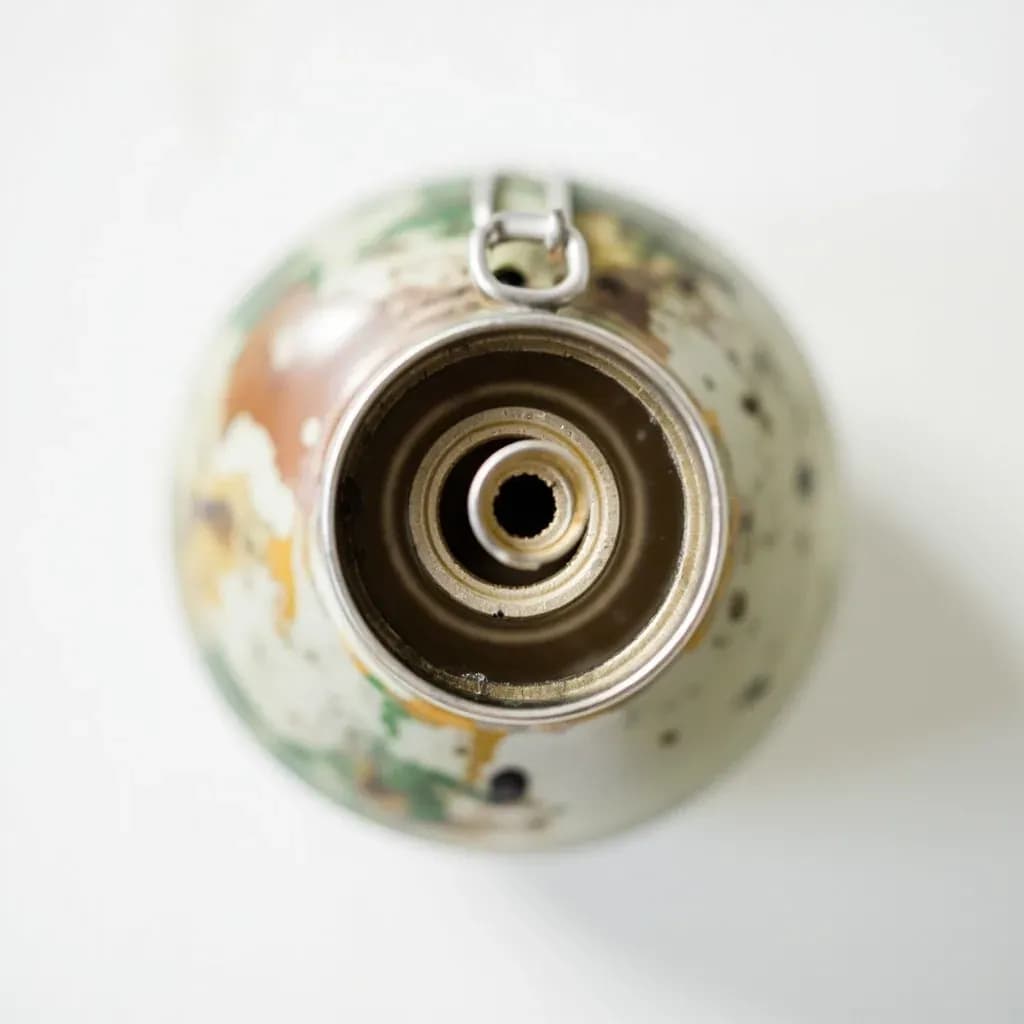
Kerosene, also called paraffin, is a liquid petroleum fuel burned in pressure and wick stoves to cook where gas and electricity are unavailable. It is poured into the stove's tank and pressurized or wicked to feed the flame. It must be stored well away from food and ignition sources, and never confused with edible oils.
Kerosene is a petroleum distillate fuel that powers pressure stoves and wick-fed lamps, remaining indispensable in off-grid kitchens, rural households, and emergency preparedness scenarios where electricity and gas are unavailable. Unlike simple lamp oil or heating fuel, kerosene for portable stoves must burn cleanly and consistently under pressure—the fuel is forced from a sealed tank through a narrow jet, vaporized in a heated generator tube, and burned at the burner head. This pressurized combustion produces a steady, controllable flame that rivals propane for cooking performance. The critical distinction for kitchen use lies between 1-K and 2-K grades: 1-K kerosene is low-sulfur and formulated for indoor-rated pressure stoves, while 2-K contains higher sulfur and must only be used outdoors. Using the wrong grade is not merely inefficient—it introduces carbon monoxide hazards in enclosed spaces and leaves corrosive residues in the stove. Pressure kerosene stoves from manufacturers like Primus, Optimus, Floco, and Swan remain in active production precisely because they are reliable, fuel-efficient, and work in any conditions.
Alternatives
Types & varieties
Low sulfur, cleaner burning, specifically formulated for indoor-rated portable stoves and pressure lamps
Higher sulfur content, approved for outdoor pressure stoves and wick heaters only; never use indoors
Often more highly refined than stove fuel and may contain fragrance additives; not interchangeable with 1-K without verifying specifications
Highly refined kerosene used in aviation; performs well in pressure stoves but costs far more than necessary
Understanding Kerosene Grades for Kitchen Use
The 1-K versus 2-K distinction is the most important safety decision in kerosene cooking. 1-K burns cleaner with minimal sulfur, leaving less residue in the stove and producing less indoor air contamination—making it suitable for enclosed kitchen use in approved pressure stoves. 2-K is a lower-grade heating and industrial fuel; while it powers outdoor stoves effectively, it releases higher sulfur emissions and more carbon monoxide, making enclosed-space use hazardous. Always check your stove's manual for the specified fuel grade and never substitute grades based on availability alone. Lamp oil, despite being chemically similar, often contains fragrance compounds and additives that can clog the narrow jets in pressure stoves or produce excessive soot.
- Always verify the grade specification for your specific stove model before purchasing fuel
- 1-K is the minimum acceptable grade for any indoor kerosene cooking application
- 2-K stoves are designed for outdoor use only—never bring them inside, even briefly
- Lamp oil is not a substitute for 1-K in pressure stoves unless the label explicitly states stove-safe formulation
Troubleshooting a Poorly Performing Kerosene Stove
When a pressure kerosene stove sputters, produces a weak flame, or fails to light, the cause is almost always contaminated fuel, a clogged jet, or a cracked generator tube—not the fuel grade itself. Water contamination is the most common issue; kerosene absorbs water from condensation in partially filled or improperly sealed containers, causing spattering and dangerous flare-ups. Before troubleshooting, allow the stove to cool completely and work in a well-ventilated area. Annual maintenance—cleaning the generator and jet with approved solvent—prevents carbon buildup that restricts fuel flow. A cracked generator tube, identifiable by uneven flame or fuel smell during operation, requires replacement before further use.
- Always bleed the fuel line before first use or after extended storage to clear water contamination
- Discard any kerosene that smells of water, appears cloudy, or shows separation
- Clean the generator and burner jet annually with approved solvent to remove carbon deposits
- Replace cracked generator tubes immediately—repair is not safe or reliable
- If troubleshooting fails, consult the stove manufacturer's service guide before suspecting the fuel itself
Common uses
Tips & pitfalls
- Always use the grade specified for your stove—1-K for indoor-rated pressure stoves, 2-K for outdoor models only
- Store kerosene in a dedicated, clearly labeled fuel can; never use containers that previously held food, water, or other liquids
- Never use lamp oil or scented oils in a pressure stove—additives may leave residues or produce excessive soot
- Before first use of a new or long-stored stove, bleed the fuel line to clear any water contamination, which causes dangerous spattering
- If fuel smells strongly of water or appears cloudy, discard it—contamination is the leading cause of stove failure
- Allow a lit pressure stove to burn at least 5 minutes before adjusting the flame to let the generator tube heat properly
- Never refuel a stove while it is lit or still hot—allow it to cool completely first
- Clean the generator and burner jet annually with approved solvent to prevent clogging; carbon buildup is the primary cause of weak flames
- Check for fuel-grade compliance when purchasing—some regions sell only tax-exempt heating kerosene, which may be 2-K grade only
- Keep a spare generator tube and jet cleaning needle in your stove kit; both are inexpensive and prevent extended outages
Good to know
- Type
- Hydrocarbon liquid fuel, petroleum distillate
- Flash point
- 37–65°C (100–150°F)
- Approved grades
- 1-K (indoor-safe, low sulfur); 2-K (outdoor/industrial only)
- Alternative names
- Paraffin (UK, Australia); lamp oil; fuel oil No. 1
- Standard containers
- Metal safety cans or sealed jugs with flame-arrester caps
- Shelf life
- Indefinite in sealed, clean, contamination-free storage
- Toxicity
- Not for consumption; produces carbon monoxide when burned
- Primary kitchen use
- Fuel for pressure stoves (Primus, Optimus, Floco, Swan)
- Legal note
- Red dye indicates tax-exempt heating fuel in some jurisdictions; verify local regulations for cooking use
- Jet A/A-1
- Aviation-grade kerosene; usable but unnecessarily expensive for kitchen stoves
Also called
paraffin · lamp oil · stove fuel
Related

Paper Towels
Disposable sheets for spills, drying, and patting dry

Kitchen Towels
Reusable cloths for drying, gripping, and wiping

Oven Mitts
Heatproof gloves to handle hot pans and trays safely

Disposable Gloves
Single-use gloves for safe, mess-free handling

Cleaning Cloths
Reusable cloths for wiping counters and spills

Tortilla Warmer
Insulated holder that keeps tortillas warm and soft

Trivet
Heatproof stand that shields surfaces from hot pots

Ice Bath Setup
Bowl of ice water that halts cooking and sets color