Heat & Safety
Kitchen Degreaser
Strong alkaline cleaner that cuts through baked-on grease on hoods, ovens, and surfaces.
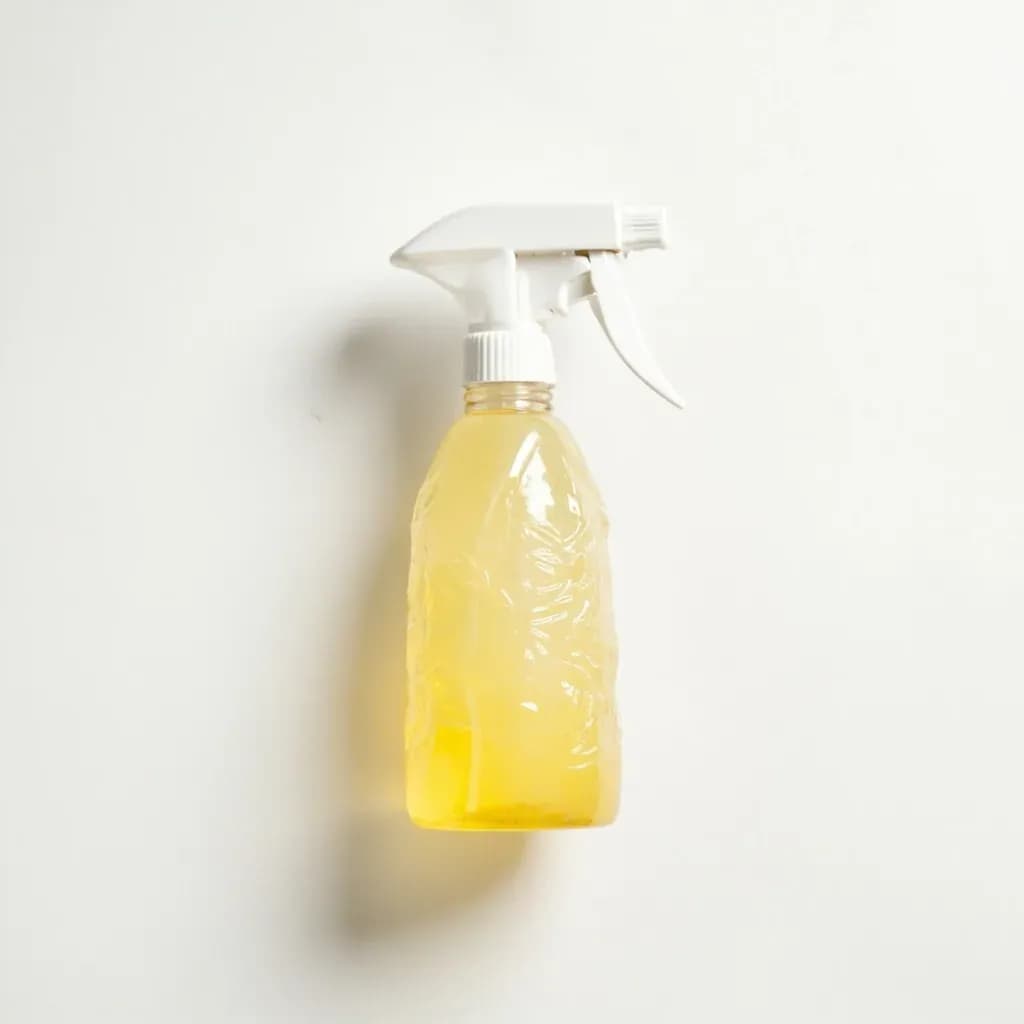
Kitchen degreaser is a heavy-duty alkaline cleaning spray formulated to dissolve cooking grease, oil, and carbon buildup. It is sprayed onto range hoods, ovens, fryers, griddles, and walls, left to dwell, then wiped or rinsed to lift grime that ordinary detergent leaves behind. Because it is caustic, food-contact surfaces must be rinsed and sanitized afterward, and gloves and ventilation are recommended.
A kitchen degreaser is a cleaning agent formulated to break down fats, oils, and carbonized cooking residue — the films that ordinary dish soap cannot touch. Most products work by one of two mechanisms: alkaline formulas built on sodium or potassium hydroxide, silicates, and carbonates convert grease into soap through saponification, while solvent-based formulas (butyl cellosolve, d-limonene, mineral spirits) dissolve petroleum films and polymerized carbon on contact. Acid-based products occupy a third niche, attacking mineral scale and the alkaline residue left behind by the other two.
The category runs from heavy caustic oven cleaners — descendants of the lye-based products that entered American homes in the 1940s — through solvent degreasers developed for commercial kitchens, to a newer generation of enzyme and bio-surfactant products that trade raw strength for safer handling. Each has a place. A well-stocked kitchen keeps a heavy alkaline or caustic gel for hoods and ovens, a neutral all-purpose alkaline for daily wipe-downs, and a citric or NSF-certified food-safe spray for prep surfaces, with each one kept to its proper job.
What separates a good degreaser from a mediocre one is dwell time, viscosity, and the surfactant package that helps the active ingredient wet a greasy surface. Foams and gels cling to vertical hoods and oven walls; thin sprays run off before they can work. Heat speeds the chemistry — a warm surface reacts faster — but a hot surface above about 49 °C / 120 °F flashes the product and streaks the finish. The art is choosing the right product for the job, applying it at the right temperature, and rinsing it off completely before food returns to the surface.
Alternatives
Types & varieties
Sodium or potassium hydroxide; the strongest oven and hood cleaner; saponifies grease; corrosive, requires full PPE
Built with silicates, carbonates, and surfactants; general-purpose kitchen use, safer on aluminum when labeled for it
Butyl cellosolve, d-limonene, mineral spirits; cuts petroleum grease and carbon; high VOC, slow evaporation
Orange-peel-derived solvent; pleasant scent, effective on sticky residues; flammable
Non-living bacterial enzymes or bio-surfactants; safer, slower, best as overnight soak or drain maintainer
Phosphoric, citric, or sulfamic acid; targets mineral scale and hard-water film rather than grease; neutralizes alkaline residue
Thickened formula that adheres to vertical surfaces like hoods, backsplashes, and oven walls
Diluted at point of use; economical for commercial kitchens; typical 1:10 to 1:64 with water
Pre-diluted for spot cleaning; weaker but convenient
Heavy alkaline powder formulated for hot oil in a fryer vat; not interchangeable with general degreaser
Pre-moistened nonwoven for quick wipe-downs of equipment exteriors between deep cleans
Designed for incidental food contact; lower pH, often citric-based, NSF or equivalent certification
Alkaline vs. Solvent: How the Two Main Chemistries Work
Alkaline degreasers attack grease by saponification — the same reaction that turns fat into soap in a kettle. The hydroxide ion breaks the ester bond in triglyceride fats, producing a water-soluble fatty-acid salt that lifts off the surface with a rinse. This works beautifully on cooking oil, butter, and animal fat, and on the carbonized crust that builds up inside ovens and on griddle splash zones. Solvent degreasers work by dissolution instead: their active ingredient is chemically similar to the grease, so the two mix on contact. They excel on petroleum-based films, polymerized carbon, and the sticky residue left by labels or tape. The two chemistries complement each other; neither replaces the other.
- Alkaline cuts animal and vegetable fats fastest; choose it for hoods, ovens, and griddles.
- Solvent cuts petroleum films and polymerized carbon; choose it for ductwork, smoker interiors, and label residue.
- Acid products are not degreasers — they are descalers. Use them after alkaline work to remove hard-water film and neutralize residue.
- Enzyme products need hours, not minutes. They belong on overnight soaks and in drain maintainers, not in a hot hood cleanup.
Surface Compatibility: What to Use Where
A degreaser is only as useful as the surface it leaves behind. Caustic products darken and pit aluminum, etch polished brass, and strip anodized finishes; a neutral or acid product is the right call there. Sealed stone and unsealed wood absorb alkaline residue and ghost the surface; a citric or enzyme product is safer. Painted equipment, especially powder-coated steel, can survive an alkaline wipe-down if the label permits, but a hidden spot test is wise. Stainless steel tolerates almost any degreaser — the danger is residue left to dry, which streaks and eventually pits. The rule is to match the chemistry to the substrate and to rinse thoroughly, especially on any surface that touches food.
- Stainless steel, porcelain, ceramic, and most painted metal: any degreaser, with a clean rinse.
- Cast iron: degrease only when you intend to reseason; the product strips the polymerized oil layer.
- Aluminum, copper, brass, soft plastics, sealed stone, unsealed wood: avoid caustic formulas; choose only products specifically labeled safe for the substrate.
- Anodized aluminum and powder-coated paint: spot-test first; even mild alkaline can dull the finish.
Common uses
Tips & pitfalls
- Always preheat the oven or hood slightly before applying; warmth speeds saponification but do not apply above about 49 °C / 120 °F or the chemical flashes and streaks.
- Wear nitrile gloves, not latex, and add splash goggles for any caustic or pump-spray product — splash-back to the eye is the most common injury.
- Never mix a kitchen degreaser with bleach or ammonia; chloramine and other toxic gases are produced. Stick to one product per job.
- Avoid caustic degreasers on aluminum trays, foil-wrapped equipment, and soft alloys — the alkali dissolves aluminum and darkens it. Switch to a neutral or acid product instead.
- On stainless, wipe with the grain and rinse thoroughly. Residue left to dry causes streaking and can pit the surface over time.
- For baked-on carbon, lay a paper towel or cloth soaked in degreaser over the spot and let it dwell 15–20 minutes; this keeps the chemical wet and active where a spray would run off.
- Filter hood baffles soak best in a hot water and heavy-duty degreaser bath for 20–30 minutes, then go through the dishmachine.
- Label spray bottles clearly and never refill a food-spray bottle with degreaser — accidental cross-contamination sends people to the emergency room.
- For greasy floors, mop with hot water and a small amount of alkaline degreaser, then rinse with clean water; don't let it dry on the surface or it leaves a film.
- Use a fryer boil-out product, not general degreaser, in the fryer vat — wrong chemistry will foam violently and damage the unit.
- Citric-based 'food-safe' degreasers are fine for daily wipe-downs of prep surfaces, but they won't touch polymerized cooking oil — save the heavy caustic for that.
- Pour used degreaser solution through a grease trap, not down a floor drain bypassing it; high-pH discharge kills the bacteria in the trap.
Good to know
- Category
- Cleaning supply, alkaline or solvent-based
- Typical pH
- 10–14; heavy-duty caustic degreasers run 12–14
- Common active ingredients
- Sodium hydroxide, potassium hydroxide, sodium metasilicate, sodium carbonate, butyl cellosolve, d-limonene, citric acid, enzymes
- Forms
- Ready-to-use spray, concentrate, foam, gel, wipes, powder
- Contact (dwell) time
- 30 seconds for light film; 5–30 minutes for baked-on grease; overnight soak for parts
- Best working temperature
- Apply to warm (not hot) surfaces, around 38–49 °C / 100–120 °F
- Safe on
- Stainless steel, porcelain, ceramic, most painted metal, and cast iron (with reseasoning after)
- Avoid on
- Aluminum, copper, brass, soft plastics, sealed stone, unsealed wood, and most painted surfaces unless labeled safe
- Rinsing
- Most kitchen degreasers require a clean water rinse; food-contact surfaces must be rinsed with potable water before use
- Ventilation
- Required for spray and solvent-based products; open hoods and windows
- Storage
- Cool, dry, sealed container away from acids, bleach, and oxidizers; shelf life 1–2 years once opened
- First aid (caustic)
- Skin: flush 15+ minutes. Eyes: flush 20+ minutes, seek care. Ingestion: do not induce vomiting — call poison control
Also called
Degreaser Spray · grease cutter · heavy-duty cleaner · oven and grill cleaner
Related

Paper Towels
Disposable sheets for spills, drying, and patting dry

Kitchen Towels
Reusable cloths for drying, gripping, and wiping

Oven Mitts
Heatproof gloves to handle hot pans and trays safely

Disposable Gloves
Single-use gloves for safe, mess-free handling

Cleaning Cloths
Reusable cloths for wiping counters and spills

Tortilla Warmer
Insulated holder that keeps tortillas warm and soft

Trivet
Heatproof stand that shields surfaces from hot pots

Ice Bath Setup
Bowl of ice water that halts cooking and sets color