Heat & Safety
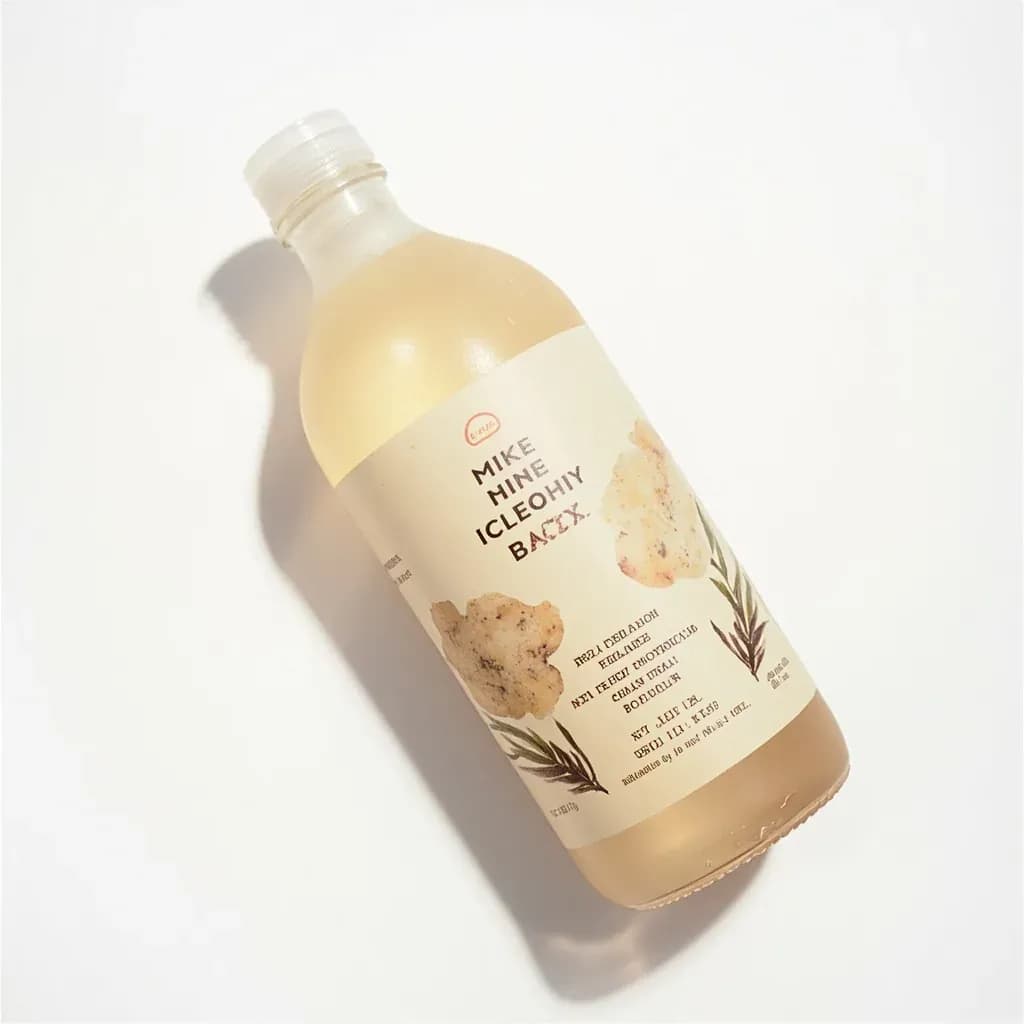
Milk Line Cleaner
An alkaline detergent that flushes milk fat and protein buildup from dairy and espresso-machine lines.
Milk line cleaner is an alkaline detergent designed to dissolve the milk fat, protein, and mineral residue that coats dairy tubing and steam-wand lines. Baristas and dairy operators run it through espresso-machine milk circuits, frothers, and farm milking lines to keep them sanitary and prevent rancid off-flavors. The caustic formula breaks down fatty buildup that plain rinsing leaves behind, and is followed by a thorough water flush.
Milk line cleaner is a strongly alkaline detergent formulated specifically to dissolve the two soils that ordinary cleaners leave behind in a dairy or espresso system: milk fat and milk protein. Once hot milk touches a steam wand, auto-frother, or milk line, the heat begins to denature the casein and weld the butterfat onto the metal as a thin, almost invisible film. Within hours that film hardens; within a day it starts to smell and to roughen the surface, where bacteria then colonise. A dedicated alkaline cleaner breaks those bonds with a high-pH solution (typically pH 11–13 at working strength) backed by surfactants and sequestrants, lifting the soil so it can be flushed away.
These products behave very differently from the dish soap or general degreaser you might be tempted to grab. They are dosed precisely, used warm (around 50–60 °C / 120–140 °F), and require a thorough potable-water rinse afterwards, both to protect the next drink from chemical taint and to leave the line chemically neutral before a sanitiser step. In dairy processing they are part of a documented Clean-In-Place routine, alternated with an acid milkstone remover and finished with a sanitiser. In an espresso bar they are the daily partner of an acid descale: the alkali handles the organic soil from milk, the acid handles the mineral scale from water, and the two never share a container.
Alternatives
Types & varieties
Single-step liquid for daily backflushing of steam wands and auto-frothers; the most common café format (e.g. Urnex Rinza, Cafetto Espresso Clean, Puly Caff).
Alkaline detergent to break down fat and protein, followed by a phosphoric- or citric-acid detergent to dissolve milkstone and mineral scale; standard in farm and commercial dairy CIP.
Contains sodium hypochlorite for stronger protein removal and stain control; not suitable for aluminium parts or for mixing with acid cleaners.
Bulk product dosed into Clean-In-Place loops for milk pipelines, bulk tanks, plate heat exchangers, separators, and homogenisers.
Pre-measured single doses for home espresso machines and small milk systems; convenient for low-volume use.
Sold alongside alkaline cleaner as part of a regime; targets calcium phosphate and milkstone rather than the fat and protein layer.
Why alkaline, not acid
Milk fat is saponified by a strong alkali rather than burned off by heat, and casein — the dominant protein in cow's milk — dissolves readily above pH 11 once it has been heated. Acid cleaners do the opposite job: they dissolve calcium phosphate and the mineral scale (milkstone) that builds up on heat-exchanger plates and boiler surfaces. That is why a serious milk system is cleaned in two passes — alkaline for organics, then acid for minerals — and why these products are sold in matched pairs. They should never be mixed in the same bucket: the reaction is exothermic and, with chlorinated products, releases chlorine gas.
Reading a CIP routine
Commercial dairy Clean-In-Place is a timed sequence of chemical and water steps run without disassembly. A typical loop runs a warm (50–60 °C) alkaline wash for 10–20 minutes at turbulent flow, follows with a potable-water rinse to neutrality, then a warm (40–50 °C) acid wash for the same window, then a final rinse and a sanitiser step. The water itself is part of the chemistry: turbulence (Reynolds number above about 4,000 in the pipe) does the mechanical work that the detergent softens up. At home or in a café, you imitate the same idea — chemical contact, mechanical action via a brush or a backflush, then a clean rinse — just in a smaller vessel.
Common uses
Tips & pitfalls
- Clean the milk system at the end of every service — milk fat and casein polymerise onto hot metal within hours and become very hard to remove after 24 h.
- Never substitute dish soap or general-purpose detergent; residues kill foam texture and taint milk flavour even after rinsing.
- Warm the cleaning solution to roughly 50–60 °C; cleaning power drops sharply in cold water and alkali can scorch or flash-evaporate at a hard boil.
- Stick to the recommended dilution — too concentrated wastes product and may etch aluminium and soft alloys, too weak leaves a film of soil behind.
- Run the full programmed cycle on an auto-frother rather than a short rinse so the chemical contacts every internal surface, including the air-intake hole.
- Test the final rinse with pH strips occasionally to confirm the line is fully flushed before pulling the next drink.
- Wear gloves and eye protection; sodium- and potassium-hydroxide concentrates are corrosive to skin and eyes, and the powder forms irritating dust.
- Store concentrate away from acids and food prep zones; mixing alkaline and acid cleaners releases heat and, with chlorinated products, chlorine gas.
- Replace gaskets, O-rings, and the milk container on a schedule — a clean line passing through perished seals is still a contamination risk.
Good to know
- Form
- Liquid concentrate, powder/granular, or pre-measured tablet or sachet
- pH at working strength
- Typically 11–13 (strongly alkaline)
- Active chemistry
- Sodium or potassium hydroxide, surfactants, sequestrants; some formulas add sodium hypochlorite
- Working temperature
- 50–60 °C (120–140 °F); never boiling
- Typical dilution
- About 30 ml per litre of water (≈1 oz per quart) for espresso cleaners; dairy CIP detergents run roughly 0.5–1.5% by volume
- Contact time
- 10–30 minutes of soak, or pulled through lines until solution runs clear
- Rinse requirement
- Flush with clean potable water until runoff is neutral, foam-free, and odour-free
- Compatible surfaces
- Stainless steel and most plastics; avoid prolonged contact with aluminium and with chlorides on stainless
Also called
Milk Line Detergent · Dairy Line Cleaner · Milk System Cleaner
Related

Paper Towels
Disposable sheets for spills, drying, and patting dry

Kitchen Towels
Reusable cloths for drying, gripping, and wiping

Oven Mitts
Heatproof gloves to handle hot pans and trays safely

Disposable Gloves
Single-use gloves for safe, mess-free handling

Cleaning Cloths
Reusable cloths for wiping counters and spills

Tortilla Warmer
Insulated holder that keeps tortillas warm and soft

Trivet
Heatproof stand that shields surfaces from hot pots

Ice Bath Setup
Bowl of ice water that halts cooking and sets color