Heat & Safety
Paper Towel
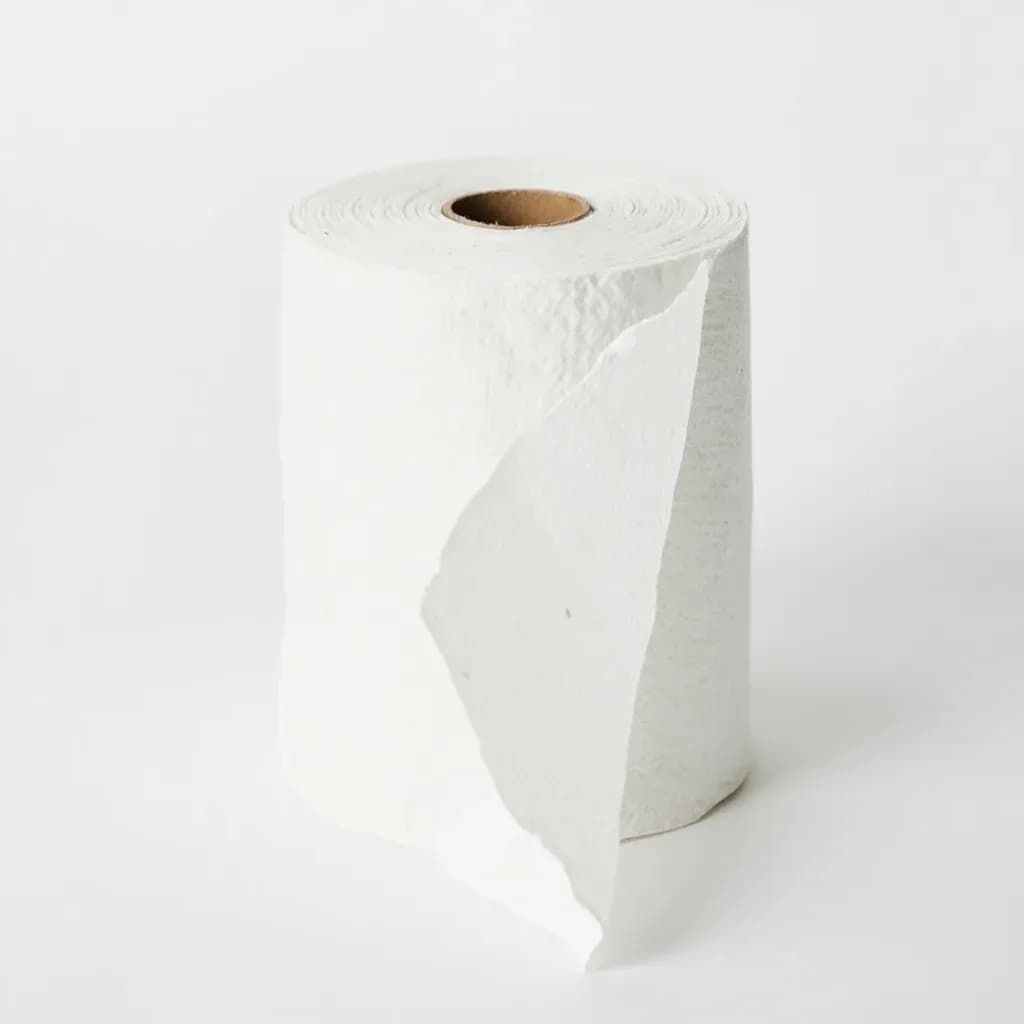
Absorbent disposable paper sheet for patting food dry, draining fried foods, and wiping surfaces.
Paper towel is an absorbent, disposable paper sheet torn from a roll and used constantly in cooking to pat meat and vegetables dry, drain excess oil from fried foods, and wipe down boards and spills. Drying ingredients before searing helps them brown rather than steam. Some cooks also use a damp folded sheet to steady a cutting board or to keep delicate herbs fresh.
Paper towels are disposable cellulose sheets engineered for absorbency and versatility in the kitchen. Made from wood pulp or bamboo fiber—sometimes with recycled content—their open fiber structure creates capillary action that pulls liquid away from surfaces. This makes them indispensable for moisture management, the single most important factor in achieving proper browning and caramelization when searing proteins. When a wet piece of meat hits a hot pan, the surface steams instead of browns; paper towels solve this by removing the surface moisture that would otherwise interfere with the Maillard reaction. Available in various weights from single-ply to heavy-duty shop towels, paper towels bridge the gap between delicate task-specific cloths and throwaway convenience, making them a staple in both professional and home kitchens.
Alternatives
Types & varieties
2-ply, perforated sheets; most common for kitchen use
Thicker, more durable; professional-grade absorbency; reusable when washed
No chlorine bleaching; more eco-friendly option
Made from post-consumer waste; varying absorbency
Continuous roll with perforations; allows custom sheet sizing
Flat-folded format; common in commercial settings
Why Moisture Removal Matters
The single most important cooking application for paper towels is removing surface moisture from proteins before cooking. When meat, poultry, or fish retains water on its surface and enters a hot pan, the water boils before the surface can brown. This steaming effect produces a pale, steamed texture rather than the deeply caramelized crust associated with the Maillard reaction—chemical reactions between amino acids and sugars that create hundreds of complex flavors and aromas. A dry surface ensures direct contact between protein and hot metal, allowing browning to begin immediately. Change towels as they become saturated; a wet towel is no longer drawing moisture away from the food.
- Pat proteins dry with firm pressure before seasoning or cooking
- Change towels once saturated to maintain effectiveness
- For extra-dry results on thick cuts, air-dry uncovered in the refrigerator overnight before patting
Grease Management for Fried Foods
Proper draining of fried foods prevents sogginess from residual steam trapped against the food surface. The key technique: place a wire rack over a paper towel-lined baking sheet. The rack elevates the food, allowing air circulation on all sides while the paper towel absorbs drips. Direct contact between fried food and paper towels creates a steam pocket that softens the crust. For bacon and other high-fat proteins, double-layer the towels or replace them partway through draining to prevent saturation and splatter.
- Always use a wire rack over paper towels, never paper towels alone
- Replace saturated towels when draining multiple batches
- For delicate tempura, use a single layer and drain briefly to preserve crispness
Common uses
Tips & pitfalls
- Keep a dedicated roll near the stove for cooking tasks and another for general cleaning to prevent cross-contamination
- Replace damp or wet paper towels immediately; bacteria can proliferate on moist surfaces
- For fried foods, place towels under a wire rack rather than directly on top to prevent sogginess from trapped steam
- Unbleached or recycled paper towels work equally well for cooking tasks and reduce environmental impact
- When patting meat dry, press firmly and change towels if they become saturated to maximize moisture removal
- Do not use paper towels to wipe up raw egg or meat juices and then wipe other surfaces—use separate towels or sanitizing cloths
- For delicate tasks like drying herbs or lettuce, use a gentle patting motion rather than rubbing to prevent bruising
- Store paper towels in a dry location; humidity reduces effectiveness and can promote mold
Good to know
- Primary Material
- Cellulose fiber (wood pulp or bamboo)
- Typical Sheet Size
- Approximately 11 × 11 inches (standard); larger rolls available
- Ply
- 1-ply or 2-ply typically
- Absorbency
- Can absorb 8–10 times own weight in water
- Heat Resistance
- Up to ~400°F; not suitable for oven use
- Bleaching Options
- Bleached (white), unbleached (brown), or chlorine-free
- Biodegradable
- Yes; typically decomposes in 30–90 days
- Recyclable
- If not heavily soiled with grease or food residue
Also called
paper-towels · kitchen-roll · kitchen-paper-towel · cooking-paper-towel · kitchen-paper
Related

Paper Towels
Disposable sheets for spills, drying, and patting dry

Kitchen Towels
Reusable cloths for drying, gripping, and wiping

Oven Mitts
Heatproof gloves to handle hot pans and trays safely

Disposable Gloves
Single-use gloves for safe, mess-free handling

Cleaning Cloths
Reusable cloths for wiping counters and spills

Tortilla Warmer
Insulated holder that keeps tortillas warm and soft

Trivet
Heatproof stand that shields surfaces from hot pots

Ice Bath Setup
Bowl of ice water that halts cooking and sets color