Heat & Safety
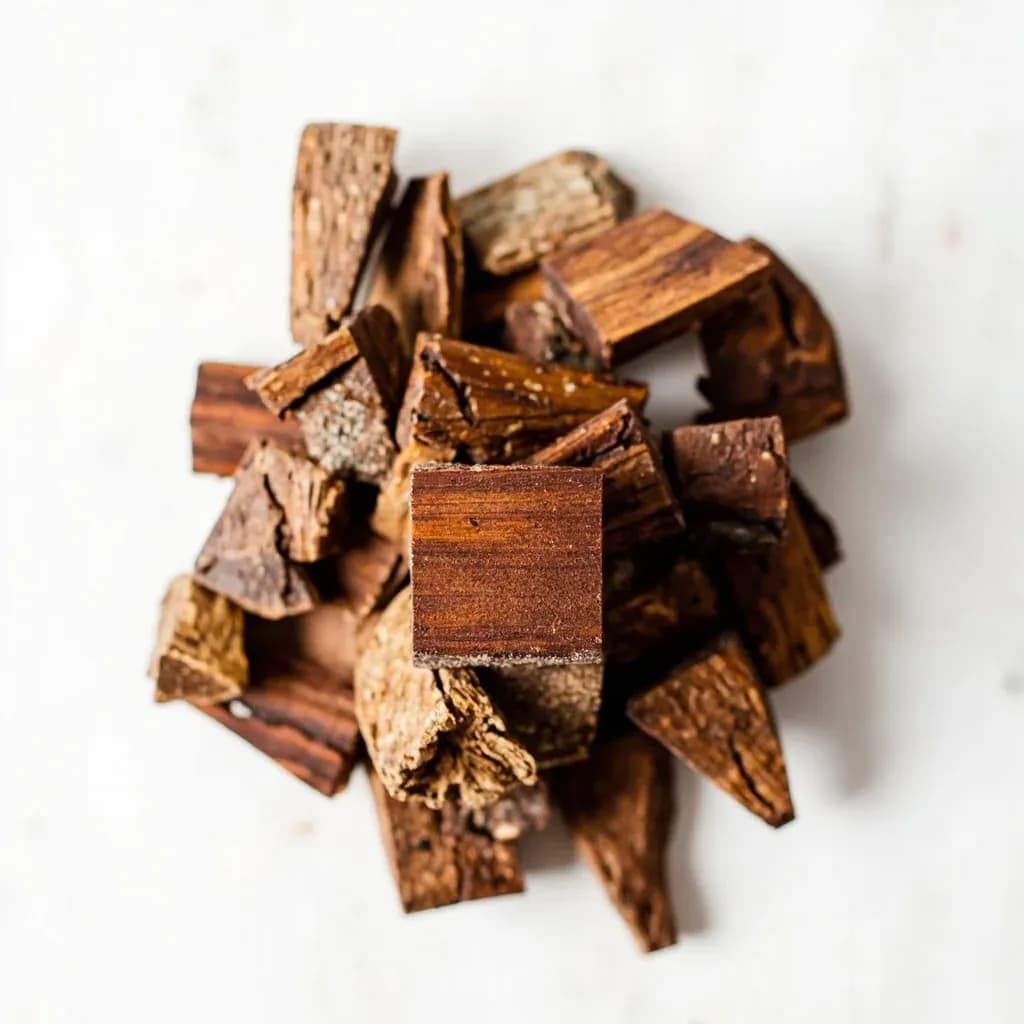
Pecan Smoking Wood
Mild, sweet hardwood chunks or chips burned to smoke meats, poultry, and cheese.
Pecan smoking wood is a fruit-of-the-hickory-family hardwood used as fuel and flavor in low-and-slow cooking. Its smoke is milder and sweeter than hickory, making it a versatile choice for pork, poultry, beef, and even cold-smoked cheese. It comes as chunks, chips, or logs, and pitmasters often blend it with stronger woods to round out the smoke flavor.
Pecan smoking wood comes from Carya illinoinensis, the same tree grown commercially for its nuts across the south-central United States. Because it belongs to the hickory family, it shares hickory's density, clean burn, and respectable heat value, but it delivers a noticeably sweeter, more buttery smoke with a softer edge. That positioning — milder than hickory, more assertive than apple or cherry — is exactly why it became a backbone wood in Southern barbecue, particularly in Texas brisket cookers and Carolina whole-hog pits, where pitmasters wanted hickory's character without its bite.
In practice, pecan behaves like a well-behaved hardwood. Properly seasoned pieces (under 20% moisture) ignite readily, hold a steady burn, and produce the thin blue smoke that signals clean combustion rather than the bitter, creosote-laden white billows that come from green wood. It also forms good coals, which is why you sometimes see it split and burned in wood-fired ovens alongside oak. The trade-off is restraint: pecan's sweetness turns cloying and can develop a slightly bitter, almost ashy finish on very long cooks if smoke runs heavy from start to finish, which is why most experienced pitmasters either moderate the wood load or blend it with oak.
For a home cook, pecan is one of the most forgiving woods to learn with. It does not turn bitter as easily as mesquite on long cooks, complements a wide range of proteins, and is widely available in chunks, chips, and pellets at a price comparable to hickory. The only real requirement is sourcing clean, untreated wood and keeping it dry — a covered rack in a garage or shed is enough.
Alternatives
Types & varieties
Fist-sized pieces (1–3 in) for charcoal and offset smokers; each chunk smolders for 45–90 minutes — the workhorse form for low-and-slow.
Small (~1 in) pieces that ignite fast; suited to short cooks, gas and electric smokers, or finishing a quick sear on a charcoal grill.
Full splits for offset stick-burners and barrel pits; smolder for hours and contribute both smoke and heat.
Compressed sawdust made for pellet grills and smokers; burn with exceptional consistency for set-and-forget cooks.
Fine material for cold-smoke tubes, smoke generators, and mailbox smokers — used on cheese, butter, salt, and nuts.
Blending Pecan with Other Woods
Most competition teams and many serious home pitmasters don't run pecan solo on a long cook. They treat it as a flavoring wood layered onto a more neutral base. The standard ratios in Texas-style brisket and pork shoulder work look roughly like this:
- Oak as the base (60% or more): provides clean, neutral smoke and a steady heat engine. Post oak is the regional favorite.
- Pecan as the accent (20–40%): adds sweetness, color, and the bacon-like aromatic that defines Central Texas barbecue.
- Hickory in small doses (under 15%): brings backbone and a sharper edge; overdo it and pecan's whole reason for being disappears.
- Fruit woods (apple, cherry, peach) as a finishing touch: tossed on near the end of the cook for a sweet aromatic lift without bitterness.
- Mesquite avoided on long cooks: too resinous and prone to turning acrid over 4+ hours; better as a short sear on fajita meat.
Common uses
Tips & pitfalls
- Never smoke with green or unseasoned pecan. Wet wood produces thick white smoke, creosote buildup, and a bitter, ashy flavor on the meat — kiln-dried or properly air-dried chunks are worth the small premium.
- Chase thin blue smoke, not billowing white. Blue smoke smells sweet and almost pleasant; white smoke is a sign the wood is smoldering rather than combusting and will deposit harsh compounds on the food.
- Add 2–3 chunks at a time rather than dumping a whole bag. Smoke flavor penetrates most heavily in the first hours of a cook, so spreading additions across the timeline prevents a bitter, over-smoked finish.
- If you're on a gas or electric smoker, use pecan chips in a smoke box or foil pouch with a few vent holes. Soaking chips for 20–30 minutes extends burn time on a gas grill but is unnecessary on charcoal or in a dedicated smoke tube.
- Toast chunks briefly over open flame before placing them on the coals. This drives off residual surface moisture and releases the wood's natural sugars, which translates to a cleaner, sweeter smoke.
- Source carefully. Many bags labeled 'mixed hardwood' or even 'fruit wood' are diluted with cheaper species; buy from a supplier that sells 100% pecan with no bark, filler, or mystery softwoods.
- Store wood in a ventilated, dry area off the ground. Moisture creeping back above 20% leads to steam in the smoker and unpredictable flare-ups, especially with kiln-dried chunks.
- Skip pecan on delicate white fish and most vegetables, where the nuttiness can read as muddy. A lighter hardwood like alder or a fruit wood like apple is a better match for subtle proteins.
Good to know
- Wood Type
- Hardwood from the pecan tree (Carya illinoinensis), a member of the hickory family
- Flavor Intensity
- Medium — milder than hickory, stronger than most fruit woods
- Flavor Profile
- Sweet, nutty, slightly buttery; softer, more delicate cousin of hickory
- Ideal Smoking Temp
- 225–275°F (107–135°C) for low-and-slow cooks
- Common Forms
- Chunks, chips, split logs, pellets, and sawdust
- Moisture Target
- Kiln-dried or well-seasoned to under 20% moisture for clean smoke
- Origin
- South-central and southeastern U.S., especially TX, GA, AL, MS, LA, OK, and AR
- Safety Note
- Use only untreated, all-natural wood — never stained, painted, or pallet pecan
Also called
pecan wood chunks · pecan smoking chips
Related

Paper Towels
Disposable sheets for spills, drying, and patting dry

Kitchen Towels
Reusable cloths for drying, gripping, and wiping

Oven Mitts
Heatproof gloves to handle hot pans and trays safely

Disposable Gloves
Single-use gloves for safe, mess-free handling

Cleaning Cloths
Reusable cloths for wiping counters and spills

Tortilla Warmer
Insulated holder that keeps tortillas warm and soft

Trivet
Heatproof stand that shields surfaces from hot pots

Ice Bath Setup
Bowl of ice water that halts cooking and sets color