Storage & Containers
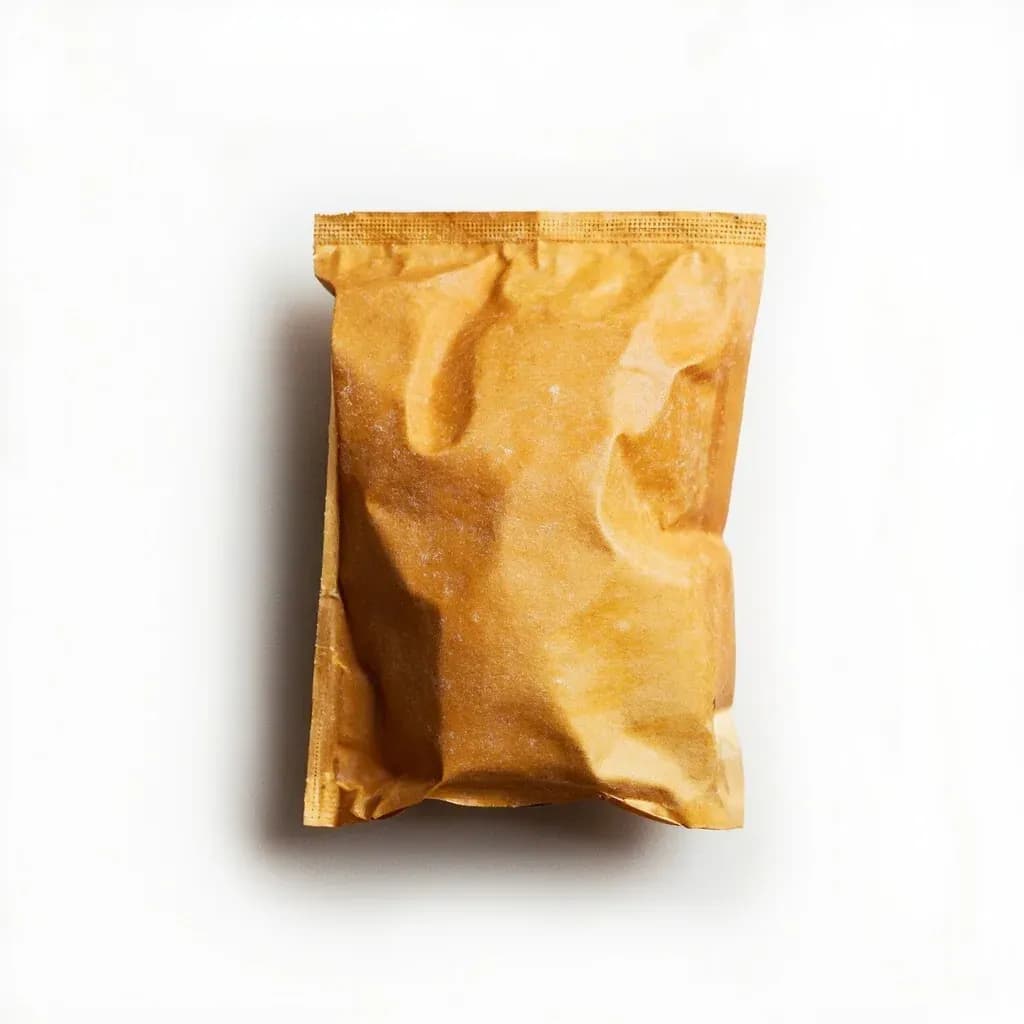
Sample Bag
Small resealable foil or plastic pouch for storing and sharing samples of tea, spices, or blends.
A sample bag is a small resealable pouch, often foil-lined, used to portion and protect aromatic ingredients like loose tea, spice blends, and coffee. Producers and blenders use them to give out tasting samples and to keep small quantities airtight and light-proof so flavor stays fresh. The foil barrier and zip or heat seal block moisture and oxygen, and many have a write-on panel for labeling.
Sample bags are the small, food-grade pouches that serious home cooks and small-batch producers reach for to portion, store, and share dry goods — loose-leaf teas, single-origin spices, finishing salts, herb blends, and seasoning mixes. They range from a humble kraft pinch-bottom bag tucked in a spice drawer to a foil-lined stand-up pouch with a zip-lock closure, but every style solves the same problem: keeping a small amount of food fresh, identifiable, and contained. Material matters more than shape, because the barrier properties of the bag determine how well the contents hold their aroma, color, and potency over time.
In practical kitchen use, sample bags bridge the gap between a bulk canister and a single-use sachet. They let you decant a tablespoon of smoky Spanish paprika into a lightproof pouch so it doesn't fade on a sunny counter, pack a 5 g portion of hojicha for a friend, or pre-measure a spice blend for a recipe-kit subscription. Choosing the right bag is a matter of matching barrier level to shelf life: foil and Mylar laminates buy you months, while kraft and clear plastic are fine for a week of use.
For a home cook building a working pantry, a small assortment of two or three sizes and two barrier levels covers nearly every job — a clear zip-lock for short-term spices, a kraft tin-tie for everyday pantry storage, and a foil stand-up pouch for the precious, light-sensitive items like saffron, green tea, and bright-red chili powders.
Alternatives
Types & varieties
Gusseted bottom lets the bag stand upright on a shelf; opaque foil blocks light; common with zip-lock or heat-seal top
Eco-friendly look with a re-closable metal tie; minimal moisture barrier, best for short-term pantry use
Low cost and contents visible; poor light and aroma barrier; good for short-term storage and refrigerator use
High oxygen and moisture barrier that requires a heat sealer; ideal for long-term spice or tea storage and retail sales
Paper or foil pouch with a clear cellophane window to display contents; often used for gift and retail samples
Translucent, grease-resistant paper traditionally used for tea samples and small confections
Tear notch and peel-and-stick closure; common for single-serve tea bags, sugar sticks, and condiment sachets
Folded flat-bottom style often used for spices and powders scooped from bulk bins at the market
Choosing the right bag for the job
Match the bag to the ingredient's sensitivity and to how long you intend to store it. Light- and aroma-sensitive items — green and white teas, saffron, vanilla powder, bright-red paprikas, and any freshly ground spice — belong in foil or Mylar. Press-to-close zip-lock polyethylene is a workable middle ground for spices you will use within a few weeks. Kraft and glassine are presentation-friendly but offer almost no protection from oxygen, moisture, or light, so they are best for same-day gifting or very short pantry stays.
- Foil or Mylar for anything you want to keep longer than a month
- Zip-lock polyethylene for opened spices used within 2–4 weeks
- Kraft or glassine for gift presentation and same-week use
- Heat-seal pouches when you need a tamper-evident, retail-ready seal
Labeling and pantry organization
A sample bag is only as useful as its label. Because the bags are small and often stacked, a simple system — contents, source or brand, and the date packed — saves you from sniffing ten pouches trying to find the cumin. A fine-point permanent marker on a kraft or Mylar bag, or a small adhesive label on a clear bag, is enough. For tea samples, note the steep time and water temperature on the bag; for spice blends, jot the intended dish or cuisine so you remember how you meant to use it.
- Always include a pack date; aroma fades faster than color
- Note brew or use instructions for unfamiliar spices and teas
- Store strong aromatics such as star anise, cumin, and fennel in their own bag so scent does not transfer
- Keep bags upright in a shallow bin so labels face forward
Common uses
Tips & pitfalls
- Label every bag with contents and the date packed; spices and teas fade faster once exposed to air
- Press or squeeze out excess air before sealing to slow staling
- Choose foil or Mylar for light-sensitive items like saffron, paprika, and green teas; kraft or clear plastic is fine for short-term use
- For strong aromatics such as star anise, fennel, and cumin, use a high-barrier bag so the scent does not transfer to neighboring pouches
- Do not reuse bags that held oily or wet ingredients; residual grease compromises the seal and can turn spices rancid
- Keep filled bags upright and dry in a cool pantry; avoid stovetop or window storage where heat and light will degrade them
- If using heat-seal pouches, leave at least 1 cm of empty space at the top so the seal does not split when handled
- Stand-up pouches display better on shelves; flat bags pack more efficiently in a drawer or kit
Good to know
- Common materials
- Kraft paper, foil-lined film, clear polyethylene (LDPE), Mylar/foil laminates, glassine
- Typical capacity
- 1 g to 4 oz (roughly 1–115 g); tea samples often 2–10 g, spice samples often 5–30 g
- Closure types
- Zip-lock (press-to-close), heat-seal, tin-tie, fold-and-clip, adhesive strip
- Food-safety
- Food-grade versions are typically FDA-compliant (21 CFR) or EU 10/2011 compliant for direct contact with dry foods
- Light protection
- Foil and Mylar laminates block light; kraft and clear plastic do not
- Moisture barrier
- Foil/Mylar laminates are high-barrier; kraft paper offers minimal moisture protection; plastic zip bags are moderate
- Shelf-life impact
- Spice and tea samples keep 6–12 months longer in foil/Mylar than in paper or clear plastic
- Cost
- Bulk kraft or zip bags are typically a few cents each; foil stand-up pouches and custom-printed bags run higher
Also called
Tea Sample Bags · Resealable Spice Pouch · Resealable Foil Tea Pouch · Tea Storage Pouch · sample pouch
Related

Freezer Bags
Thick, sealable bags built to fight freezer burn

Storage Bags
Resealable bags for fridge storage and marinating

Storage Container
Lidded container for leftovers, prep, and meal kits

Glass Container
Oven-to-fridge glass that won't stain or hold odors

Plastic Container
Lightweight, stackable storage for everyday leftovers

Vacuum Sealer Bags
Airtight bags for long freezing and sous-vide

Reusable Bags
Washable silicone bags that replace single-use plastic

Mason Jar
Sealed glass jar for preserves, pickles, and storage