Heat & Safety
Sanitizer Bucket
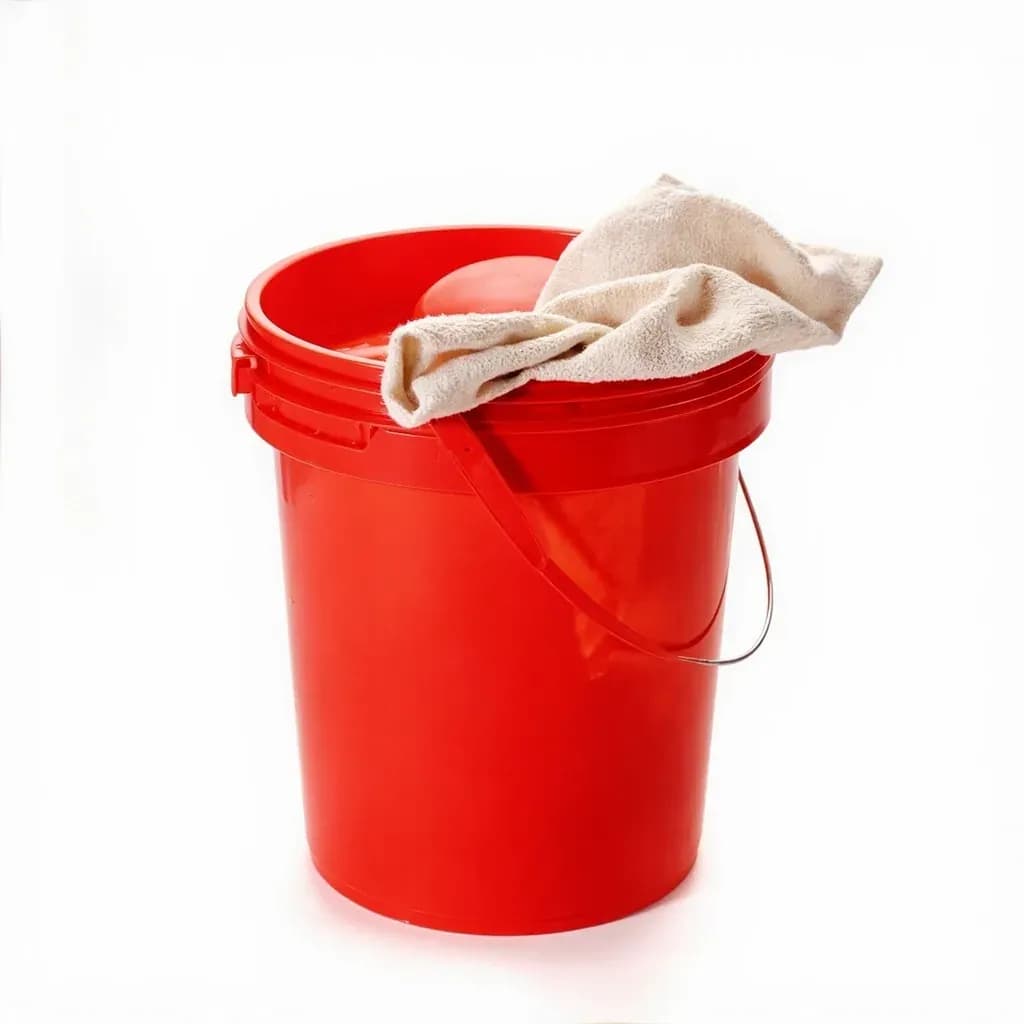
A labeled bucket of sanitizing solution that holds wiping cloths between cleaning tasks.
A sanitizer bucket is a labeled container of diluted sanitizing solution kept at each station to soak and store wiping cloths between uses. It keeps cloths disinfected so surfaces are cleaned, not just smeared, throughout service. The solution strength is checked with test strips and refreshed as it weakens or gets soiled.
A sanitizer bucket is a dedicated, clearly labeled container holding a measured chemical sanitizing solution in which cleaning cloths are stored between uses. Unlike wash buckets that hold detergent for soil removal or rinse buckets that hold clear water, sanitizer buckets maintain cloths in a ready-to-use state with active antimicrobial properties. The system keeps cloths consistently moist and sanitized, eliminating the need to redip and wring between each surface wipe—a practical arrangement that supports the rapid, repeated sanitation demanded in commercial kitchens and serious home kitchens alike.
The bucket itself is typically food-grade polypropylene plastic, 2–5 gallons in capacity, with a sturdy handle for transport. The volume matters: too small and you're refilling constantly, too large and the solution degrades before you use it all. The label is legally significant in most jurisdictions—"SANITIZER" labeling prevents the bucket from accidentally being used for food prep or drinking water. The sanitizer solution inside can be quaternary ammonium (quats), chlorine bleach, iodine-based iodophor, or—less commonly in bucket form—very hot water at 171°F (77°C) minimum.
Why this matters in a kitchen: sanitizing is distinct from cleaning. You must remove visible food debris and grease first, because organic matter neutralizes sanitizer chemicals. Only after that pre-cleaning step does the sanitizer bucket step in, delivering a measured dose of antimicrobial agent to surfaces between tasks. This is how you move safely from, say, slicing raw chicken to preparing a salad without cross-contaminating everything in between. The bucket is the holding tank that makes that workflow practical and consistent.
Alternatives
Types & varieties
Most common in commercial kitchens; non-corrosive to equipment, mild odor, effective at lower temperatures, and requires no wiping or rinsing after use. Mix in soft or filtered water if your tap water is hard—minerals reduce efficacy.
Inexpensive and broad-spectrum. Can corrode metal equipment and damage fabric cloths over time. Solution must be mixed fresh daily; effectiveness drops as it degrades. Never mix with quats—this neutralizes both and can produce hazardous fumes.
Brown color serves as a natural indicator of strength; lighter amber color means weaker solution. Less pungent than bleach, effective at 12.5–25 ppm. May stain light-colored plastic or countertops with prolonged contact.
Dedicated separate buckets for cleaning solution and sanitizing solution, often with color-coded cloths to match each. Eliminates cross-contamination between the wash and sanitize steps. Essential in high-volume or regulated food-service settings.
The Three-Bucket Workflow
Sanitizer buckets are one piece of a larger cleaning logic. In a three-compartment sink setup, the order is fixed: wash (detergent solution) → rinse (clear water) → sanitize (sanitizer solution). The sanitizer bucket serves the same final step for surface cleaning—wipe debris away with a cleaning cloth, then follow with a sanitizing cloth. Skipping the pre-cleaning step is the most common failure point: sanitizer cannot penetrate food grease or organic matter, and applying it to a dirty surface is essentially placebo cleaning.
- Wash bucket: detergent removes visible soil, grease, and food debris
- Rinse bucket (or running water): clears detergent residue from surfaces and cloths
- Sanitizer bucket: applies measured antimicrobial agent to kill remaining microorganisms
Testing and Maintaining Concentration
A sanitizer solution only works if it's strong enough. Test strips appropriate to your sanitizer type—chlorine test strips for bleach, quat test strips for quaternary ammonium, iodine test strips for iodophor—are essential equipment alongside the bucket. Check concentration at the start of every shift and periodically during service, especially after adding new solution or after the bucket has been unused for a while. Solutions below minimum effective concentration are essentially just wet rags.
- Chlorine: maintain 50–100 ppm; test strips read free available chlorine
- Quats: maintain 200–400 ppm; test strips read parts per million quaternary compounds
- Iodine: maintain 12.5–25 ppm; color shift from brown to amber indicates weakening
Common uses
Tips & pitfalls
- Label every bucket unambiguously: "SANITIZING CLOTHS ONLY — NOT FOR DRINKING" in large, clear lettering. This is a health-code requirement in most jurisdictions and prevents serious accidents
- Keep cloths fully submerged at all times; the cloth head must never break the surface where it can dry out and become a contamination vector rather than a cleaning tool
- Test sanitizer concentration with appropriate test strips at shift start and at least once mid-shift—concentration drops through normal use and evaporation
- Change the solution every 4 hours maximum, or sooner if it looks cloudy, soiled, or has been heavily diluted by repeated wringing. A dirty-looking solution does not sanitize
- Never mix sanitizer types in the same bucket or use the same cloths with different sanitizer types—quats and chlorine neutralize each other and can produce toxic fumes
- Store sanitizer buckets away from direct food preparation zones and below the rim of any food-storage containers to prevent accidental drips onto exposed food
- Allow sanitized surfaces to air dry completely; wiping dry immediately after applying sanitizer removes the active agent before it has its full 30-second contact time to work
- Replace cloths every 30–60 minutes in high-volume service, as they accumulate bacteria from every surface they clean. A sanitizing cloth used all day becomes a contamination reservoir
- Use a 2-gallon bucket for typical prep-area workflows; upgrade to a 5-gallon bucket for warewashing stations where cloths are used heavily and solution depletes faster
- For quats specifically, use soft or filtered water if your tap water is hard—dissolved minerals bind to quaternary compounds and reduce their antimicrobial effectiveness
Good to know
- Sanitizer Types
- Quaternary ammonium (quats), chlorine (bleach), or iodine-based (iodophor) chemical solutions; or hot water at 171°F (77°C) minimum for immersion sanitizing
- Quats Dilution
- 200–400 ppm active quaternary compounds in cool or warm water per manufacturer specs
- Chlorine Dilution
- 50–100 ppm free available chlorine; approximately 1 tablespoon household bleach per gallon of water
- Iodine Dilution
- 12.5–25 ppm iodophor in warm water; solution loses its brown color and turns amber as it weakens
- Water Temperature (Chemical)
- Cool to warm, 75–120°F (24–49°C); hot water degrades some sanitizers, especially quats
- Contact Time
- Minimum 30 seconds of wet contact for chemical sanitizers to be effective; surfaces must remain wet during this time
- Solution Change Frequency
- Every 2–4 hours or when visibly soiled, cloudy, or diluted through repeated use, per FDA Food Code and most local health codes
- Cloth Storage Requirement
- Cloths must remain fully submerged at all times; floating cloth heads dry out and become a bacterial breeding ground
Also called
Ice Bath Bucket · Sanitizer Tablet · sanitizing bucket · cloth bucket
Related

Paper Towels
Disposable sheets for spills, drying, and patting dry

Kitchen Towels
Reusable cloths for drying, gripping, and wiping

Oven Mitts
Heatproof gloves to handle hot pans and trays safely

Disposable Gloves
Single-use gloves for safe, mess-free handling

Cleaning Cloths
Reusable cloths for wiping counters and spills

Tortilla Warmer
Insulated holder that keeps tortillas warm and soft

Trivet
Heatproof stand that shields surfaces from hot pots

Ice Bath Setup
Bowl of ice water that halts cooking and sets color