Heat & Safety
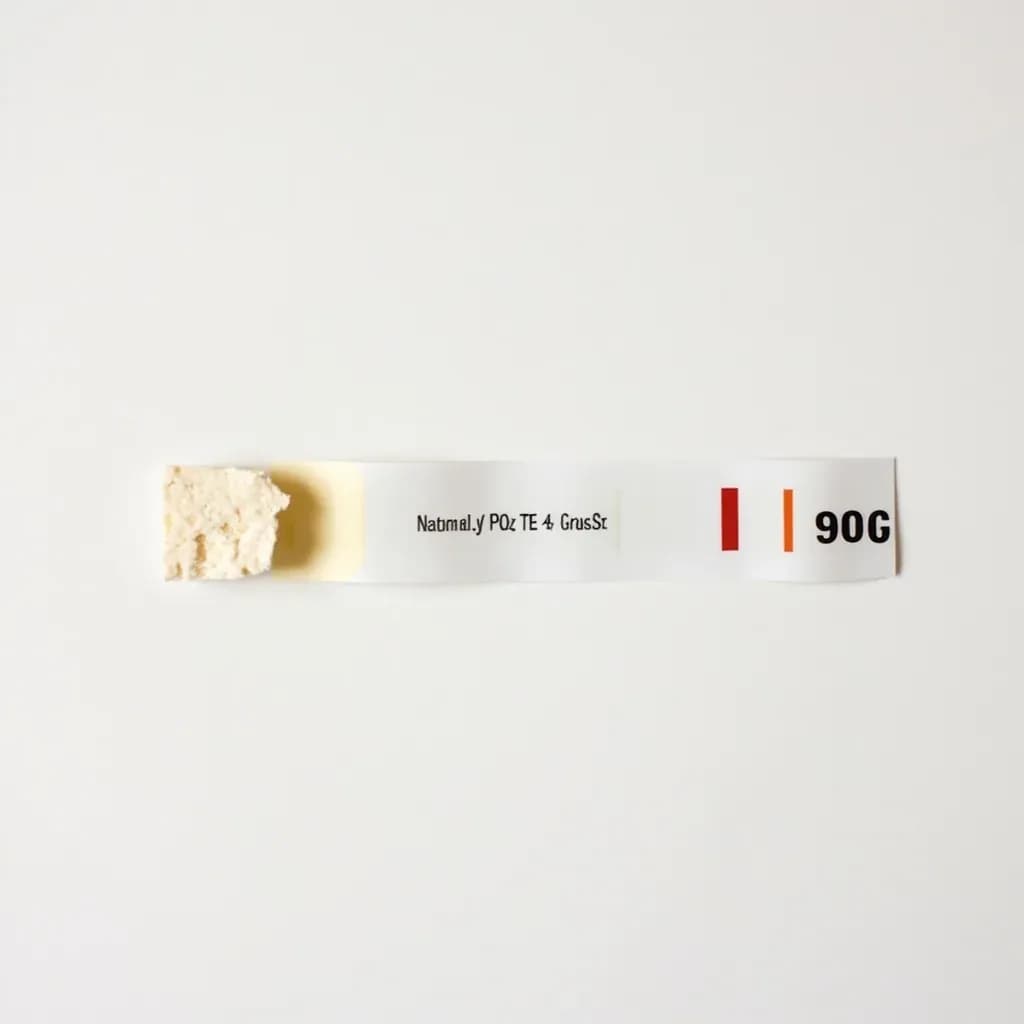
Sanitizer Test Strip
Paper test strip that changes color to read sanitizer concentration in a wash bucket, confirming chlorine or quat strength is safe and effective for food surfaces.
A sanitizer test strip is a short paper strip with one or two chemically impregnated pads that change color when dipped into a working sanitizing solution, letting a cook or food-safety lead read the active concentration in parts per million (ppm) by matching the wet pad to a printed color chart on the bottle. In a commercial kitchen the strip is the only practical, on-the-spot way to confirm that a wash bucket, three-compartment sink, or low-temperature dish machine is delivering enough sanitizer to knock down pathogens without leaving so much chemical behind that food-contact surfaces carry residue. Concentration is invisible to the senses — clear, nearly odorless quat solutions and faint-smell chlorine both drift out of spec as water dilutes them, food soil consumes them, and (for chlorine) UV and heat burn them off — so the strip is what turns a guess into a documented number.
The pads are calibrated to a single chemistry, so a chlorine strip reads essentially zero in a quat bath and a quat strip reads nothing in bleach water, which is why every station that runs chemical sanitizing needs the matching strip for the product on the floor and a habit of testing at the start of every shift, after any fresh batch is mixed, and whenever something feels off. The FDA Food Code (§4-501.114) and most state and local codes require a test kit on site for any food establishment using chemical sanitizing, and inspectors routinely ask to see a recent reading.
Types & varieties
Measure free chlorine in ppm; used for sodium hypochlorite and chlorine dioxide sanitizers
Measure quat concentration, calibrated for benzalkonium chloride–based sanitizers
Legacy item measuring iodophor concentration (typically 12.5–50 ppm); rare in modern commercial kitchens
Used by some produce-wash operations and dairies; measure peroxyacetic acid concentration
Same chemistry, different ppm scales — pick the range that brackets your target concentration
Some bottles include a chlorine + pH or quat + pH pad so a strip can flag sanitizer that is present but ineffective because pH has drifted
Why sanitizer concentration drifts out of spec
The ppm on the bottle label assumes a clean bucket of fresh solution at the right temperature and pH, and every one of those assumptions fails in a working kitchen. Knowing what pushes the number around is what turns a passive test into actual food safety.
- Dilution: every time a wet plate or pan goes into the third sink, and every top-up with tap water, drops the ppm. Test after mixing a fresh batch and again mid-shift on a busy night.
- Organic load: food soil, grease, and milk residue react with chlorine and bind quat, chemically removing it from solution. A visibly dirty sanitize sink will read low even if you just mixed it.
- Temperature: chlorine above roughly 120°F (49°C) loses activity fast; both chemistries are typically specified for 55–120°F (13–49°C). A strip dipped in scalding-hot water will read artificially low.
- pH: chlorine is most effective at pH 6.5–7.5; above pH 8 it is largely converted to the less-active form. Combination chlorine + pH strips catch this silent failure.
- UV light and air: chlorine buckets stored under a sunny window or left open lose ppm by the hour. Quat is more stable but still degrades over a long shift.
Matching the strip to the sanitizer on the floor
A test strip is a measuring tool, not a sanitizer, and the wrong tool gives a confidently wrong number. The chemistry of the strip and the chemistry of the working solution have to match, and the strip's calibrated range has to bracket the target ppm on the product label.
- Chlorine and quat strips are not interchangeable — a chlorine strip will read near zero in a properly mixed quat bath and vice versa, and a cook who reads "0 ppm" will dump and remake a perfectly good solution.
- When you change sanitizer brand or chemistry, change the strip bottle too; quat strips are calibrated to a specific active concentration range and can misread unfamiliar formulations.
- Choose low-range or high-range strips based on your target: a 0–200 ppm chlorine strip is fine for a 50–100 ppm target, while a 0–500 ppm quat strip suits a 200–400 ppm target.
- In regulated food-processing plants, digital titration or drop-count kits give more precise numbers than strips, but strips remain the restaurant and food-truck standard because they are fast, cheap, and need no calibration.
Common uses
Tips & pitfalls
- Test sanitizer concentration at the start of every shift and any time you mix a fresh batch — concentration drifts faster than most cooks expect.
- Cap the strip bottle immediately after pulling a strip; humidity is the single biggest cause of false readings and dead strips.
- Replace the bottle when strips hit their expiration date; expired strips tend to drift high or fail to develop color and silently pass weak sanitizer.
- Dip the strip for only 1–2 seconds and pull it out horizontally so reagent does not wash off the pad, then lay it flat for the printed development time.
- Use the strip at the sanitizer's labeled water temperature — chlorine above ~120°F loses activity quickly, and the strip measures the actual solution, not the label.
- Read the color at exactly the time stated on the bottle — chlorine color fades, quat color can deepen past the true value if you wait too long.
- For three-compartment sinks, test the third (sanitize) compartment, never the wash or rinse sink, where detergent and food soil will poison the reagent.
- Do not use sanitizer that reads above the labeled maximum — over-strength quat requires a potable water rinse on food-contact surfaces per code.
- If you switch sanitizer brand, switch strips too — quat strips are calibrated to a specific active concentration range and can misread unfamiliar formulations.
- Keep a small log next to the sink with ppm reading, time, and initials; health inspectors look for it and it protects you in a foodborne-illness investigation.
- Common mistake: assuming tap-water dilution is the only cause of a low reading — organic soil, sunlight on a chlorine bucket, and soap carry-over from the wash sink also knock sanitizer out of spec, and the strip is what surfaces that.
- Common mistake: dunking the strip into the dishwater or wash sink instead of the sanitizer sink — fat and detergent poison the reagent pad.
Good to know
- Item type
- Disposable paper strip with chemically impregnated pads for measuring sanitizer concentration
- Two main chemistries
- Chlorine (sodium hypochlorite) and quaternary ammonium (quat, usually benzalkonium chloride)
- Typical chlorine range
- 0–200 ppm; in-use target usually 50–100 ppm (some codes allow up to 200 ppm)
- Typical quat range
- 0–500 ppm; in-use target usually 200–400 ppm (varies by EPA-registered product label)
- Reading method
- Color comparison against a printed chart on the bottle after a timed dip and development
- Read time
- Usually 10–60 seconds after dipping; chlorine strips develop fastest
- Dip time
- 1–2 seconds; prolonged soaking washes reagents off the pad
- Storage
- Tightly capped, below 80°F/27°C, dry, and out of direct sunlight
- Shelf life
- Typically 12–24 months unopened; performance degrades once the bottle is repeatedly opened
- Sanitizer water temperature
- Most chemical sanitizers are specified for use at 55–120°F (13–49°C) per label and Food Code
- Regulatory basis
- FDA Food Code §4-501.114 requires a test kit for chemical sanitizing solutions in food establishments
Also called
sanitizer strips · quat test strips · chlorine test strips · sanitizer test paper