Storage & Containers
Silica Gel Desiccant Pack
A food-safe moisture-absorbing packet tucked into jars and tins to keep dry goods crisp.
Silica gel desiccant packs are small permeable pouches of moisture-absorbing beads dropped into containers of dried spices, crackers, jerky, or dehydrated foods to prevent clumping and staleness. Cooks reuse them to protect home-dried herbs and homemade snack mixes. Use only food-grade, indicator-free packs in contact with food, and recharge spent ones by warming them in a low oven.
Silica gel is silicon dioxide (SiO₂) manufactured into highly porous beads, each one riddled with microscopic chambers that give the material an extraordinary surface area—roughly 700–800 square meters per gram. It works through adsorption, not absorption: moisture molecules adhere to the vast internal surfaces of the beads rather than being soaked up like a sponge. This makes silica gel uniquely effective at pulling water vapor from enclosed spaces, even at low humidity levels. Food-grade silica gel packets are manufactured under strict purity standards and are safe for incidental contact with dry goods, though they are not intended for consumption—the beads pose a choking hazard. Placed inside properly sealed containers, a small packet can keep salt flowing freely, spices aromatic, and crackers crisp for years. The desiccant continues working until its adsorption sites are fully occupied, at which point the indicator beads signal saturation or the contents of your container begin to suffer.
Alternatives
Types & varieties
Manufactured under stricter purity standards; safe for pantry use alongside dry goods and spices
Plain white beads; cannot be visually checked for saturation; used primarily in electronics and non-food applications
Color-changing beads warn when saturated; orange-to-green transitions indicate the modern safer formulation, replacing older blue cobalt-based versions
Plastic containers with perforated tops designed for pantry jars, flour bins, and spice cabinets; more durable than loose packets
Different material but similar function; less efficient moisture absorption than silica gel
How Silica Gel Works in Your Kitchen
The science behind silica gel is straightforward but remarkable. Each tiny bead is a porous matrix with channels and crevices running throughout, creating an enormous internal surface area relative to the bead's size. When moist air enters this pore structure, water molecules stick to the surfaces through physical adsorption—the same force that makes tape adhesive or allows geckos to cling to walls. Unlike desiccants that absorb (like calcium chloride, which dissolves as it draws moisture), silica gel remains solid. A saturated packet can be restored by heating: the added thermal energy gives the water molecules enough energy to break free from the bead surfaces and evaporate into the oven air, leaving the adsorption sites available again. This reusability makes silica gel both economical and environmentally preferable to single-use alternatives.
- One gram of silica gel offers 700–800 m² of adsorption surface
- Heating drives off accumulated moisture, restoring the desiccant's capacity
- Saturation happens gradually—indicator beads give early warning before performance degrades
Why Rice Is Not a Substitute
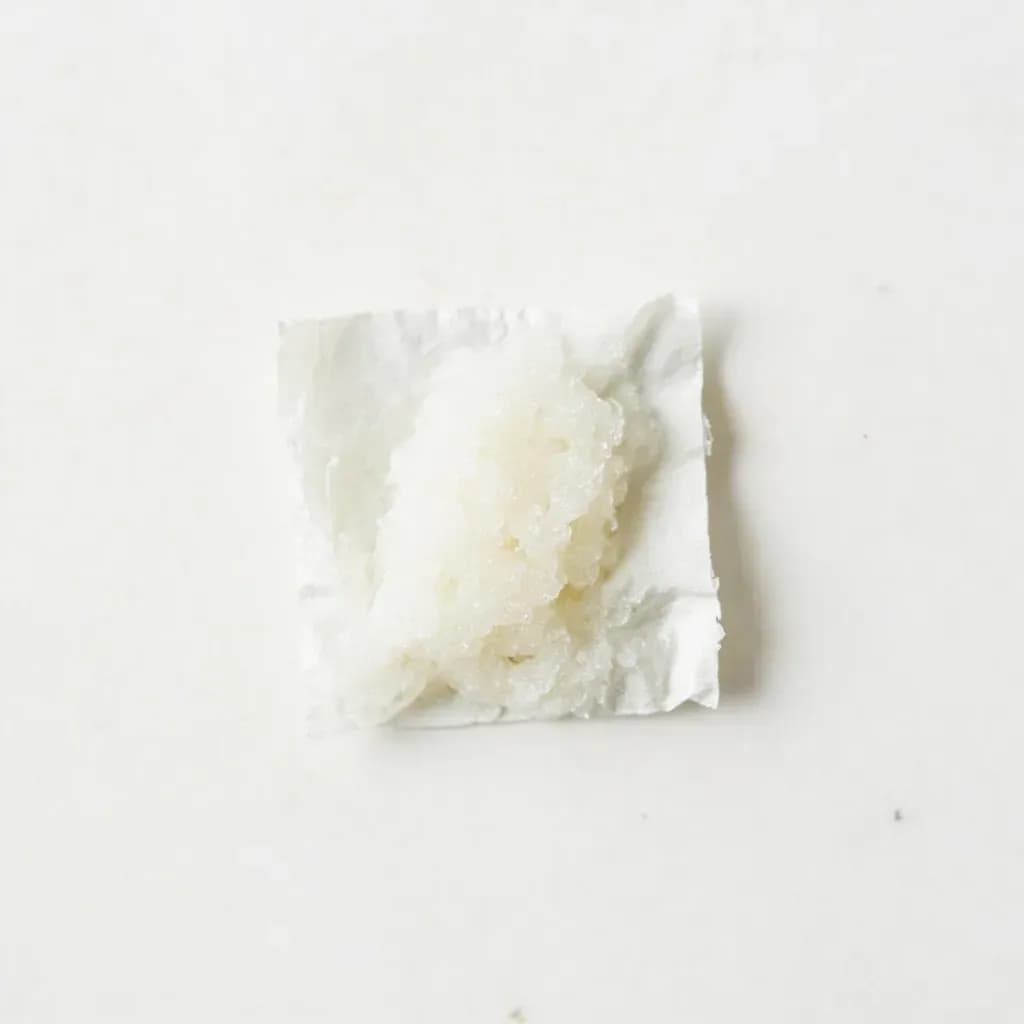
A persistent kitchen myth holds that a grain of rice dropped into a salt shaker will keep salt dry. It will not. Rice acts as an absorber—it actually draws moisture in and, once saturated, can harbor mold. The mechanism is completely wrong for desiccation. Similarly, dry beans, bread, or other starchy items dropped into storage containers may absorb a tiny amount of surface moisture but will quickly become part of the problem rather than the solution. If you need a desiccant and have none available, a small amount of uncooked instant rice in a porous container (like a folded paper towel cone) will wick some moisture, but it is far less effective than silica gel and cannot be reliably regenerated. For serious moisture control, proper food-grade silica gel is the only reliable choice.
- Rice hardens when saturated and can harbor mold spores
- Starchy substitutes absorb (draw in) rather than adsorb (attract to surface)
- Silica gel's porous structure gives it vastly superior moisture-trapping capacity
Common uses
Tips & pitfalls
- Place packets inside airtight containers, not loose on pantry shelves—the desiccant only works in enclosed spaces where it can lower relative humidity
- Check indicator beads regularly; replace or recharge when fully saturated, as a depleted packet offers no protection
- Recharge silica gel by spreading in a single layer on a baking sheet in a 225°F oven for 2–3 hours until beads return to their original color
- Do not place desiccant packets directly against open food—position them in the headspace of sealed containers to avoid incidental contact
- Combine with vacuum sealing for maximum moisture control in long-term storage of grains, legumes, and dried goods
- Use multiple smaller packets rather than one large one for better distribution in wide-mouth jars or irregularly shaped containers
- Store recharged silica gel in an airtight bag or container immediately—exposure to ambient air begins reabsorption immediately
- Orange-to-green indicating gels have replaced blue cobalt-based versions in most food-grade applications; the orange-to-green color transition is now the standard to look for
Good to know
- Composition
- Silicon dioxide (SiO₂) in porous bead form; chemically inert, non-toxic when food-grade
- Moisture absorption
- Adsorbs up to 40% of its weight in water vapor at high humidity
- Surface area
- Approximately 700–800 square meters of internal surface area per gram of beads
- Rechargeability
- Regenerated by heating to 225–275°F (107–135°C) for 2–3 hours until beads return to original color
- Packet sizes
- 0.5g to 5g for pantry jars and containers; 25g–50g canisters for flour bins and spice cabinets
- Indicator types
- Blue (cobalt chloride, being phased out), orange-to-green (modern safer standard), or non-indicating (plain white)
- Shelf life
- Indefinite when kept sealed in original packaging; indicator beads fade when saturated
- Historical adoption
- Commercial use in food storage began in the 1930s–1940s for military rations and pharmaceutical packaging
Also called
Food-Safe Silica Gel Pack · Food-Safe Desiccant Packs · Silica Gel Desiccant · Silica Desiccant Packet · Silica Gel Desiccant Packet
Related

Freezer Bags
Thick, sealable bags built to fight freezer burn

Storage Bags
Resealable bags for fridge storage and marinating

Storage Container
Lidded container for leftovers, prep, and meal kits

Glass Container
Oven-to-fridge glass that won't stain or hold odors

Plastic Container
Lightweight, stackable storage for everyday leftovers

Vacuum Sealer Bags
Airtight bags for long freezing and sous-vide

Reusable Bags
Washable silicone bags that replace single-use plastic

Mason Jar
Sealed glass jar for preserves, pickles, and storage