Storage & Containers
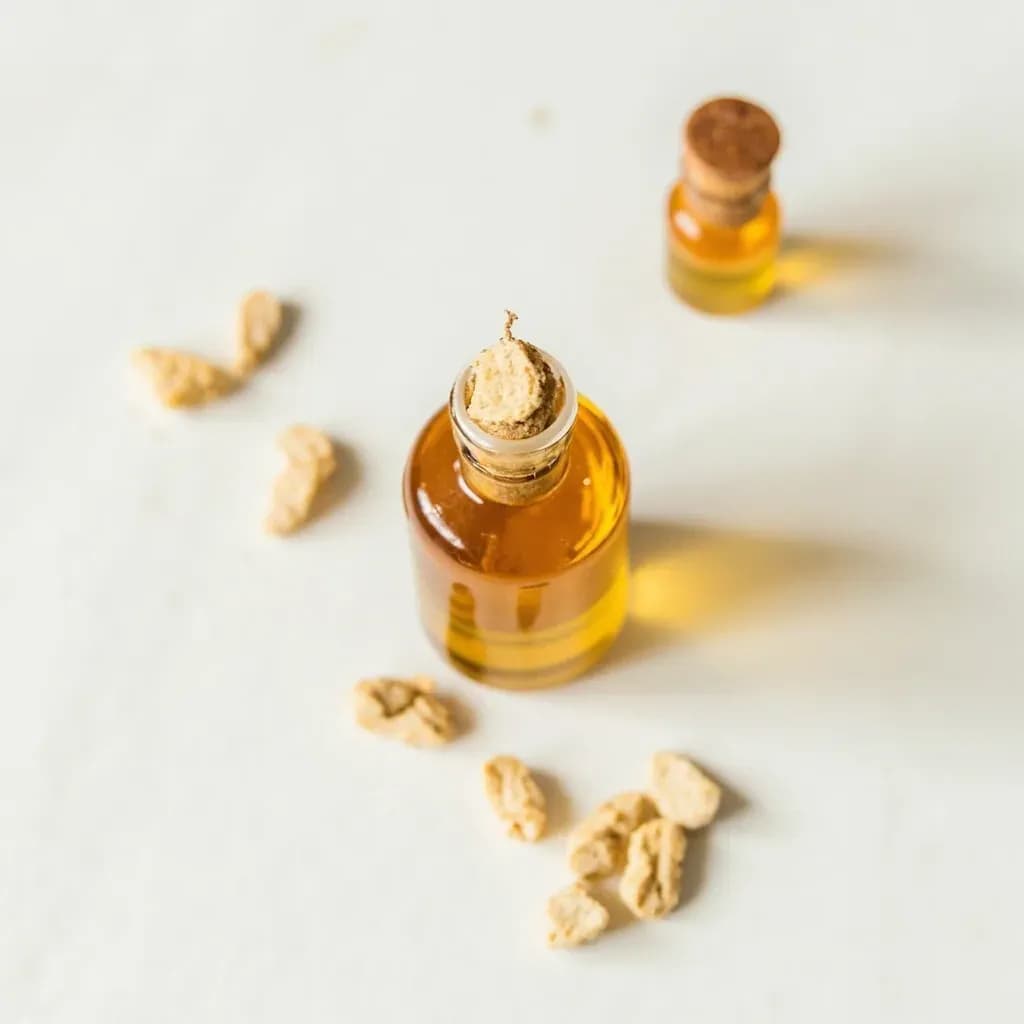
Specimen Collection Vial
Small sealed vial used to collect and hold food samples for testing or lab analysis.
A specimen collection vial is a small leak-proof tube used to capture and store a sample of food, liquid, or culture. Quality-control and food-safety programs use it to send samples for lab testing, log retained portions of a batch, or hold a starter culture. The tight cap keeps the sample uncontaminated and labeled for traceability through the testing process.
A specimen collection vial, in the food-safety sense, is the small sterile rigid container — typically 30 to 250 mL — that QA teams, food manufacturers, and serious restaurant groups use to draw a sample of a finished product, raw material, rinse water, or environmental swab and send it off for microbiological, allergen, or chemical testing. It belongs in the same working toolkit as a calibrated thermometer and a pH meter: not a kitchen curiosity, but a regulated, documented link in any HACCP or FSMA verification program. Unlike a Whirl-Pak-style sterile bag, the vial is rigid, resealable, and forgiving of liquids, freezer storage, and the rough handling of a courier ride to a third-party lab.
The vial's behavior is governed by its material. Polypropylene is the workhorse because it tolerates refrigerator cold, autoclave heat, and the wide pH range of food matrices without leaching or cracking; borosilicate glass enters the picture only when organic solvents, extreme heat, or long-term chemical stability matter. Most food-grade vials ship pre-sterilized (gamma-irradiated is the most common route) and individually pouched, so a cook's job is not to clean them but to keep them clean until the instant of collection. That is where the skill of the tool actually lives: in aseptic technique and chain of custody, not in the plastic itself.
Alternatives
Types & varieties
The default food-sample vial: autoclavable, shatterproof, chemically resistant, and cheap enough to discard after one use.
Used when solvent resistance or high-heat sterilization matters; requires a crimping tool and septa.
Easier to load solid or semi-solid samples — sauces, doughs, meat trimmings — without smearing across a narrow neck.
Built for water-line or post-sanitizer rinse samples; the tablet neutralizes residual chlorine so plate counts reflect the real microbe load.
Has a breakaway band or security seal; the right choice whenever a sample is heading to a third-party or regulatory lab under chain of custody.
Tapered bottom concentrates solids; used when a sample must be spun down, for example to separate fat before testing.
Rated for -80 °C storage; for keeping pathogen isolates from a positive swab, not for routine food sampling.
Aseptic technique: where sampling programs actually fail
The vial does no work on its own. The technique used to fill it determines whether the resulting plate count is a real reading of the product or a reading of the operator's thumb. Sterile sampling is a discipline of restraint: open the pouch only at the moment of collection, never touch the inside of the cap or the vial mouth, do not speak or cough over an open vial, and recap immediately. A single careless moment can push a clean product into a false positive that triggers an unnecessary hold or, worse, mask a real contamination event that gets dismissed as a bad sample.
Chain of custody from vial to lab
A sample is only as defensible as its paperwork. Label the vial before you fill it — date, time, lot or batch, sample point, and the collector's initials — and log it in a dedicated sample register the moment it enters the refrigerator. Most labs reject unlabeled, leaking, or temperature-abused shipments outright, and many QA disputes turn on whether a sample can be tied unambiguously to a specific batch at a specific time. The vial is the physical anchor of that chain.
When to reach for a vial instead of a sterile bag
Sterile bags are lighter, cheaper, and fine for solid samples that will be homogenized in a lab blender. Vials earn their place when the sample is liquid, when it must be frozen, when it will be centrifuged, when it is being shipped by courier, or when the lab needs a resealable, rigid container that will not leak in transit. For water, sauces, brines, and any environmental rinse, a vial is the safer default.
Common uses
Tips & pitfalls
- Open the sterile vial only at the moment of collection and never touch the inside of the cap or vial — this alone is the most common source of false-positive contamination.
- Label first, sample second: write the date, time, lot, sample point, and initials on the vial before you fill it, so you are not tempted to recap a wet cap or skip a field.
- For solid or viscous foods, use a sterile scoop or pipette and fill only to about 75 percent; overfilling prevents proper mixing in the lab and can leak during transport.
- Refrigerate at or below 4 °C immediately after collection and get the sample to the lab within 24 hours; for Listeria or Salmonella work, 4 °C and same-day delivery is the standard.
- Check sterile pouch integrity before use — torn, punctured, moisture-stained, or expired packaging means the vial is no longer sterile, even if the plastic looks clean.
- For environmental swabs, pair the vial with a neutralizing buffer so residual sanitizer on the surface does not kill the organisms you are trying to count.
- Do not reuse single-use sterile vials even after washing; biofilm and residual sanitizer will skew every result you take from them.
- Keep a dedicated, clearly marked sample fridge and log every vial in and out; chain of custody breaks the moment a sample is untraceable.
- Ship in insulated mailers with cold packs and absorbent pouches, and call the receiving lab to confirm their temperature and labeling requirements before sending.
Good to know
- Category
- Storage & Containers — food-safety sampling supplies
- Primary materials
- Polypropylene (PP); polyethylene (PE); borosilicate glass for solvent or high-heat work
- Typical volumes
- 30, 50, 100, 120, and 250 mL
- Sterilization
- Gamma irradiation (pre-sterilized disposables), autoclave, or ethylene oxide
- Closure types
- Screw-cap with silicone/PTFE liner, snap-cap, or crimp-seal with septum
- Temperature tolerance
- PP vials roughly -20 °C to 121 °C; glass extends the range
- Sterility status
- Pre-sterilized, individually wrapped, single-use
- Common certifications
- FDA-grade materials, ISO 11137 sterilization, typically BPA-free; many lots ship with sterility documentation
- Shelf life (unopened)
- About 18–24 months from manufacture when stored dry and out of direct sunlight
- Approximate cost
- Roughly $0.30–$3.00 per unit depending on size, material, and sterility certification
- Pre-loaded options
- Some vials ship with sodium thiosulfate (to neutralize residual chlorine in rinse samples) or buffer for pH stability
- Regulatory context
- Supports HACCP verification, FSMA testing, and third-party lab submissions
Also called
sample vial · collection tube · test vial
Related

Freezer Bags
Thick, sealable bags built to fight freezer burn

Storage Bags
Resealable bags for fridge storage and marinating

Storage Container
Lidded container for leftovers, prep, and meal kits

Glass Container
Oven-to-fridge glass that won't stain or hold odors

Plastic Container
Lightweight, stackable storage for everyday leftovers

Vacuum Sealer Bags
Airtight bags for long freezing and sous-vide

Reusable Bags
Washable silicone bags that replace single-use plastic

Mason Jar
Sealed glass jar for preserves, pickles, and storage