Storage & Containers
Spice Storage Tin
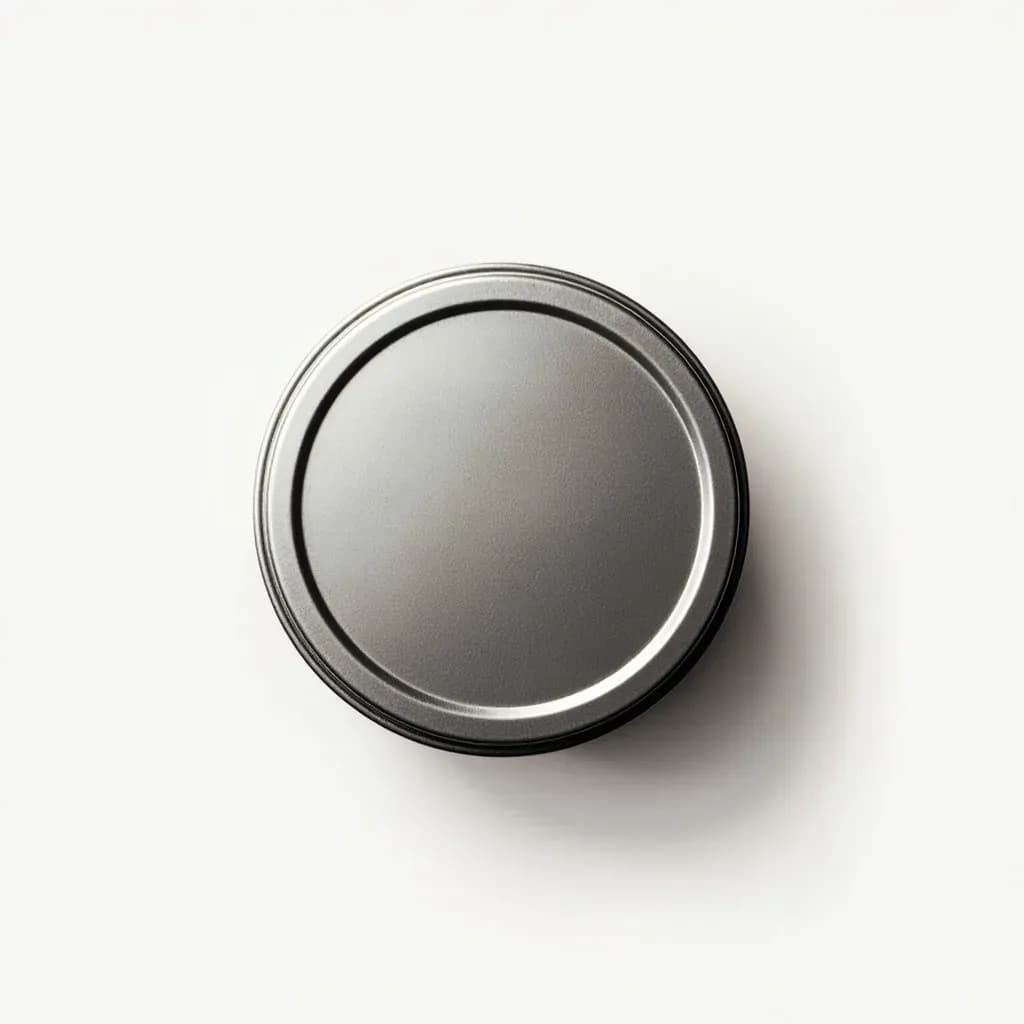
Small lidded metal tin for keeping ground spices and dried blends dark, dry, and fresh.
A spice storage tin is a compact metal container, often with a screw or friction lid, used to hold ground spices, salts, and dried herb blends. The opaque walls block light that degrades aroma, and the tight lid keeps out moisture and air. Cooks line them up in drawers or on magnetic racks for quick access during seasoning.
Spice storage tins are small lidded metal containers — almost always tin-plated steel, aluminum, or stainless steel, with a food-safe lacquer or epoxy lining on the inside. The lining matters: bare metal, especially older tin-plate, can react with acidic or salty contents, and unlined aluminum will pit against anything containing moisture.
The tin's real job is to block the two things that destroy volatile spice oils fastest: light and ambient humidity. A solid-sided tin, kept in a closed drawer or cabinet, will keep a curry powder or chili blend serviceable for six to twelve months. Whole spices last far longer — one to three years in a tin — because the oils are locked inside the seed, bark, or pod. The format is old: Victorian and early-twentieth-century biscuit, tea, and tobacco companies shipped their goods in exactly this kind of small lidded tin, and a great many kitchen tins in use today are either direct descendants of that packaging or the vintage originals, washed out and repurposed.
What a tin does not do is seal as tightly as a screw-top glass jar with a rubber gasket. The lid is a friction fit, a hinge, or a clamp; steam, splashes, and oily fingers will all eventually find their way in. A spice tin is for dry, ground, or powdered spices and blends only — never for wet pastes, infused oils, flavored salts that still carry moisture, or anything containing fresh garlic or onion.
Alternatives
Types & varieties
Simple friction-fit lid pushed on and off; cheapest and most common, but the loosest seal of the standard types.
Attached lid that flips up; more secure in a drawer, and the classic apothecary or candy-tin look.
Two-part nesting design where the inner lid presses into the outer shell; tighter seal, favored for pungent blends like curry powder or chili mixes.
Has a small clear panel of plastic or cellophane so the contents can be seen; convenient for identification but lets light reach the spices.
Cylindrical or rectangular tins sold in graduated sizes that nest or stack; good for a uniform spice drawer.
Flat-sided tin with a magnet on the back for mounting on a fridge or magnetic strip; lid is usually a push-on slip cover.
Old biscuit, tea, or tobacco tins reused for spices; charming, but inspect for rust, dents, and lingering odors before filling.
Larger 1–2 qt tin used to hold refill stock or to decant a wholesale bag of spice; usually has a hinged or clamp-down lid.
Choosing capacity, lid, and lining
The tin you reach for depends on how fast you cook through a given spice. A 2 oz tin is the right size for something potent and occasional — saffron, Aleppo pepper, smoked Spanish paprika — because you will use it up before the flavor fades. A 4 oz tin suits everyday ground spices in a busy kitchen. Anything larger is a bulk tin meant to hold refill stock, not a working container; the more spice you keep in a single tin and the longer a refill sits half-used, the more the contents lose to age. Lid choice is mostly a seal-versus-convenience trade: a press-seal or hinged-and-clamp tin holds aroma noticeably better than a simple slip cover, but a slip cover is faster to open one-handed while stirring. The lining is the detail most cooks overlook. A fully lacquered or epoxy-lined interior handles salt-heavy blends and slightly oily spices; an unlined tin (some vintage pieces, some cheap imports) is fine for dry, neutral spices but will pit or discolor if you load it with a salt-and-garlic rub.
Common uses
Tips & pitfalls
- Choose solid, opaque metal over glass or windowed tins for any spice you will not use up in a few weeks — light is the fastest killer of volatile oils, and a clear window defeats the whole point of the tin.
- Store tins in a closed drawer or cabinet, not on an open rack beside the stove; radiant heat and cooking steam accelerate flavor loss far more than age does.
- Label both the lid and the side with the spice name and the date you filled it — ground blends look identical after a few months, and a date forces you to use the older tin first.
- Never shake a tin directly over a steaming pot; steam condenses inside the lid, drips back in, and clumps the spices into a hard puck. Spoon or pour from the tin instead.
- Refill only what you will use in two to three months; small, frequent refills stay noticeably more aromatic than one large tin topped off repeatedly from a bulk bag.
- Buy tins slightly larger than you need; spices shouldn't be packed so tight that you can't get a spoon in.
- If you are reusing an old biscuit or tea tin, wash it in warm soapy water, dry it thoroughly with a cloth, and then let it air-dry upside down for an hour; any residual fat or oil from the original contents can go rancid and taint delicate spices.
- Avoid long-term storage of salt-heavy blends, onion powder, or garlic powder in any tin whose interior is not fully lacquered — the chloride in salt and the sulfur in alliums pit unlined metal over months.
- Hand-wash tins only and dry them immediately; dishwasher detergent strips the lacquer and leaves tin-plated steel vulnerable to rust at the seams and rim.
- Drop a whole dried bay leaf or a couple of unpeeled cloves into blends you will not use for a while — they help deter pantry moths, though airtight storage is the real defense.
Good to know
- Category
- Storage & Containers
- Primary material
- Tin-plated steel, aluminum, or stainless steel, almost always with a food-safe lacquer or epoxy lining
- Typical capacities
- 2 oz (≈60 ml), 4 oz (≈120 ml), 8 oz (≈240 ml), and 16 oz (≈475 ml) for everyday use; 1–2 qt for bulk
- Lid types
- Slip/friction-fit, friction-hinge, friction-press (nested two-part), or clamp-down
- Shelf-life impact
- Ground spices stay usable 6–12 months in a dark, dry tin; whole spices 1–3 years
- Best for
- Ground spices, dry spice blends, powdered chiles, ground dried herbs, and small amounts of specialty spices bought in bulk
- Not for
- Wet pastes, infused oils, moist salts, or anything oily — the seal is not airtight enough
- Care
- Hand-wash only; dishwasher detergent strips lacquer and lets tin-plate steel rust
Also called
spice tin · storage tin
Related

Freezer Bags
Thick, sealable bags built to fight freezer burn

Storage Bags
Resealable bags for fridge storage and marinating

Storage Container
Lidded container for leftovers, prep, and meal kits

Glass Container
Oven-to-fridge glass that won't stain or hold odors

Plastic Container
Lightweight, stackable storage for everyday leftovers

Vacuum Sealer Bags
Airtight bags for long freezing and sous-vide

Reusable Bags
Washable silicone bags that replace single-use plastic

Mason Jar
Sealed glass jar for preserves, pickles, and storage