Wraps & Liners
Taco Paper Wrap (Papel Encerado)
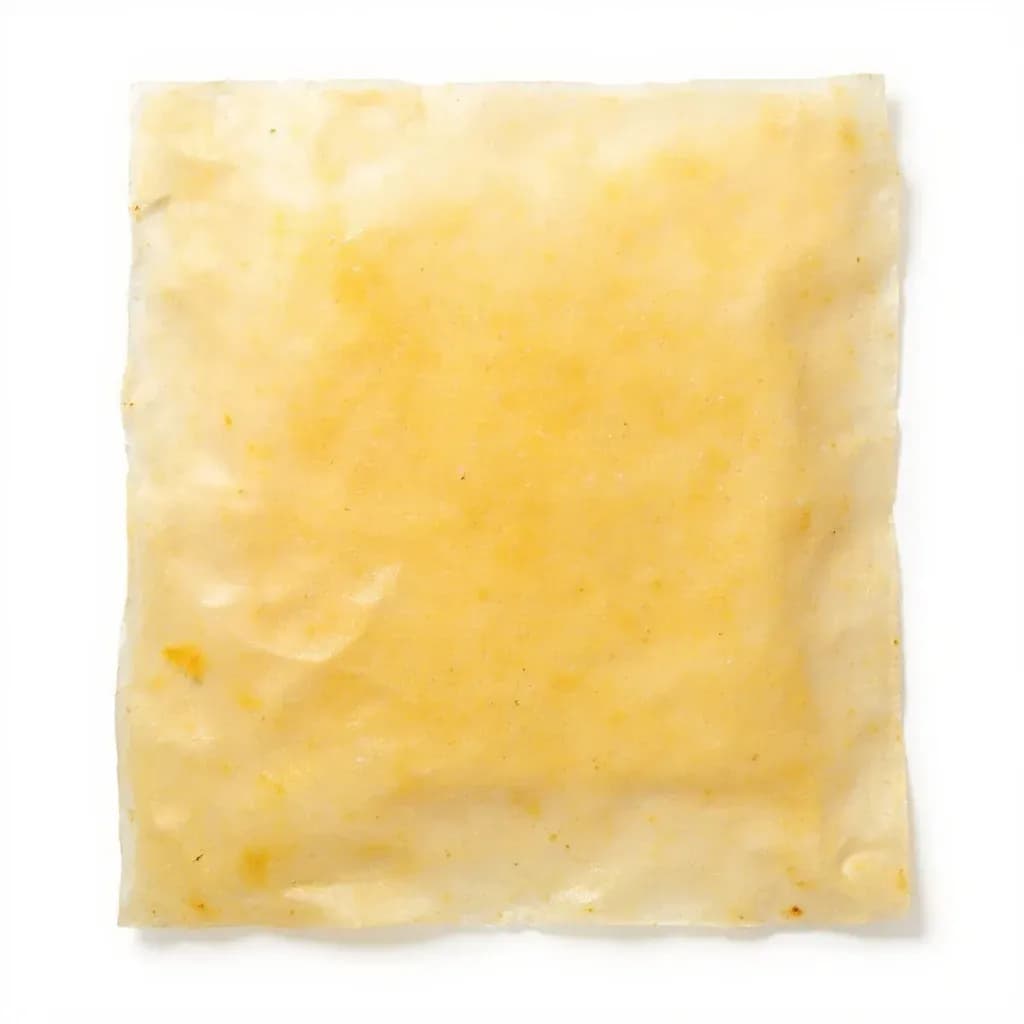
Waxed or greaseproof paper sheet for wrapping tacos, tortas, and fried fish.
Taco paper, papel encerado, is a waxed or greaseproof paper sheet used to wrap tacos, tortas, and street-food portions. The coating resists grease and moisture so wrapped food holds together and stays warm without leaking through, and a sheet doubles as a hand-held plate. The same kind of waxed paper is used to wrap fried fish and other oily foods for takeaway.
Taco paper wrap — papel encerado in the Mexican trade — is the thin food-grade sheet folded around street tacos, tortas, and fried-fish sandwiches at the moment of service. It is not a cooking medium but a handling and presentation tool: it catches grease and salsa drip, gives the customer something to grip, and signals the kind of unpretentious, counter-leaning eating the food is designed for. Most sheets are paraffin-waxed paper, though vegetable-wax, parchment, unbleached kraft, and plastic-laminated deli paper all fill the same role at the pass, each with a different heat ceiling and grease capacity.
In practice the wrap is functional long before it is decorative. Waxed paper resists the rendered fat of carnitas, the oil of a fried fish taco, and the juice of a tomato-based ceviche topping long enough to get the food from the plancha to the customer's hand without bleeding through. It also softens and conforms around the tortilla or roll, holding a tight bundle without tape or foil. The wrong paper — plain craft, office stock, or a waxed sheet pushed past its melting point — wrecks both the experience and the food.
Taquería culture treats the wrap as part of the dish, not packaging. Sheets are folded into cones, doubled under wet fillings, and printed with shop names by the case. For a cook, the most useful thing to know is the simple split between papel encerado (low heat, classic) and papel pergamino (parchment, higher heat), because confusing the two is the single most common mistake on a hot pass.
Alternatives
Types & varieties
The classic white translucent sheet, paraffin-coated. Ideal for room-temperature or warm service; softens and can stick above ~180°F / 80°C.
Non-waxed, silicone-treated paper with a higher heat ceiling (~400–425°F). Slightly stiffer; good for hotter fillings or basket liners.
Unbleached, uncoated kraft. Breathable, sturdy, and on-trend in modern taquerías and Tex-Mex spots; handles moderate heat without melting.
Rectangular, often grease-resistant newsprint-style sheet sized to wrap a fried-fish portion or sandwich; frequently printed with shop branding.
Poly-laminated sheet for very wet or oily fillings (suadero, carnitas in their own juice, mariscos) — resists bleed-through better than waxed paper alone.
Custom-logo sheets sold by the case; standard operating expense in serious taquerías, cevicherías, and torta shops, not optional décor.
Paper with a thin aluminum laminate for hot tortas or large burritos; traps steam and holds heat far longer than plain paper.
Sizing by application
Choosing the right sheet size is half the craft. A sheet that's too small won't wrap; one that's too large bunches and looks sloppy.
- 5×5 in (12×12 cm) — central-Mexico street tacos, single small tortilla.
- 6×6 in (15×15 cm) — the workhorse size for standard street tacos across most of Mexico and U.S. taquerías.
- 7×7 in (~18×18 cm) — for two-taco bundles or generously stuffed tortillas.
- 10×10 to 12×12 in (25–30 cm) — northern and coastal taquerías, large breakfast tacos, quesadillas.
- 6×10 in (~15×25 cm) rectangle — Baja fish tacos and fried-fish sandwiches.
- 12×14 to 14×16 in (30–40 cm) — tortas, pambazos, large burritos; tuck the ends under the bread.
Encerado vs. pergamino: when to reach for which
The two most common sheets on a Mexican pass look similar but behave very differently. Pick the wrong one and the paper either melts onto the food or wilts and bleeds.
- Use papel encerado (waxed) for room-temp or warm service: carnitas held on the steam table, pastor straight off the trompo, room-temp ceviche, tortas at hand temperature.
- Use papel pergamino (parchment) when the filling is genuinely hot — a torta straight off the plancha, fried fish out of the fryer, anything above ~180°F / 80°C.
- If the same taco will sit under a heat lamp for several minutes, prefer parchment or kraft; wax can soften and stick to the tortilla.
- When in doubt, slip a sheet of parchment inside the waxed wrap: the parchment faces the hot food, the waxed paper faces outward for grease resistance.
Folding techniques at the pass
A clean fold is part of the service. Three folds cover almost every situation on a busy line.
- Cone fold (street tacos): place the taco in the center of a square, bring the bottom corner up and over the filling, then fold one side in and roll — leaves the top open for salsa and lime.
- Half-wrap (plated tacos): fold the sheet in half over the taco and tuck the open edge under, so the customer can pick it up without unrolling.
- Sleeve wrap (tortas and burritos): lay the roll on a rectangle, fold the short ends in, then roll the long side over twice and tuck the final edge under.
Common uses
Tips & pitfalls
- Choose parchment (not waxed) when the filling comes straight off a flattop above ~180°F — wax softens and will stick to the tortilla.
- Pre-stack sheets by size in a shallow countertop dispenser at the pass so the line can grab one without breaking service.
- Double-wrap very wet fillings (carnitas in their own juice, mariscos in tomato water) with plastic-coated deli paper on the inside and waxed paper on the outside.
- For plated tacos, fold the square into a cone or taco-shell holder and rest the tortilla inside so it doesn't slide on the plate.
- Tuck the leading edge of the wrap under the taco on the plate so it doesn't unroll the moment the customer picks it up.
- Don't substitute plain office, craft, or gift-wrap paper — it's not food-grade and may contain inks, dyes, or contaminants.
- Never put waxed paper in the microwave; the coating can melt onto the food. Transfer the taco to a plate first.
- For tortas, use a 12×14 or 14×16 sheet and tuck both short ends under the bread while leaving the top exposed so the fillings stay visible.
- Buy by the case (usually 500 or 1,000 sheets) — unit cost drops sharply and printed custom paper doubles as low-cost marketing.
- If you run out mid-service, plain parchment topped with a printed sticker is a workable, presentable substitute.
Good to know
- Material
- Food-grade paper coated with paraffin wax (classic papel encerado), natural or vegetable wax, silicone parchment, unbleached kraft, or a thin poly lamination in deli-grade sheets.
- Also called
- Papel encerado, papel para tacos, taco liner, sandwich paper, fish paper, deli wrap.
- Common sizes (in)
- 5×5, 6×6, 7×7, 10×10, and 12×12 in squares for tacos; 6×10 in rectangles for fish tacos; 12×14 and 14×16 in sheets for tortas and burritos.
- Common sizes (cm)
- Roughly 12×12 to 30×30 cm squares; ~15×25 cm rectangles; 30×35 cm and 35×40 cm sheets.
- Basis weight
- Typically 30–40 g/m² for waxed sheets, 35–41 lb for parchment — light enough to fold by hand, heavy enough to hold grease.
- Heat tolerance
- Waxed paper softens above ~150–180°F / 65–80°C and is not oven-safe; parchment tolerates ~400–425°F / 205–220°C; unbleached kraft handles about 400°F / 205°C.
- Grease resistance
- Waxed, parchment, and poly-laminated versions all resist rendered fat and salsa moisture through normal meal service.
- Origin
- Waxed paper was patented in the U.S. in the 1850s; its use as a taco wrap spread with 20th-century Mexican street-food culture, especially in Mexico City and the northern border states.
- Storage
- Store flat in a dry drawer or countertop dispenser, away from heat sources that could melt the wax coating.
- FDA status
- Food-contact-grade paraffin or natural waxes; printed sheets use soy-based inks approved for direct food contact.
- Disposable
- Single-use by design; not rated for washing or reuse.
- Cost
- Bulk foodservice packs run a few cents per sheet; custom-printed taco paper is sold by the 500–1,000 sheet case.
Also called
Waxed Fish Paper · Waxed Fish Wrap Paper · papel encerado · waxed taco paper
Related

Aluminum Foil
Wraps, covers, and tents food for the oven and grill

Parchment Paper
Nonstick liner for clean, even baking and easy release

Wax Paper
Moisture-resistant sheet for wrapping and counter prep

Plastic Wrap
Clings tight to cover bowls and wrap leftovers

Silicone Baking Mat
Reusable nonstick liner that replaces parchment

Cheesecloth
Loose-woven cloth for straining stock and bundling herbs

Beeswax Food Wrap
Reusable wax wrap that molds around bowls and produce

Piping Tips
Shaped nozzles that turn frosting into stars and rosettes