Prep Tools
Bone Dust Scraper
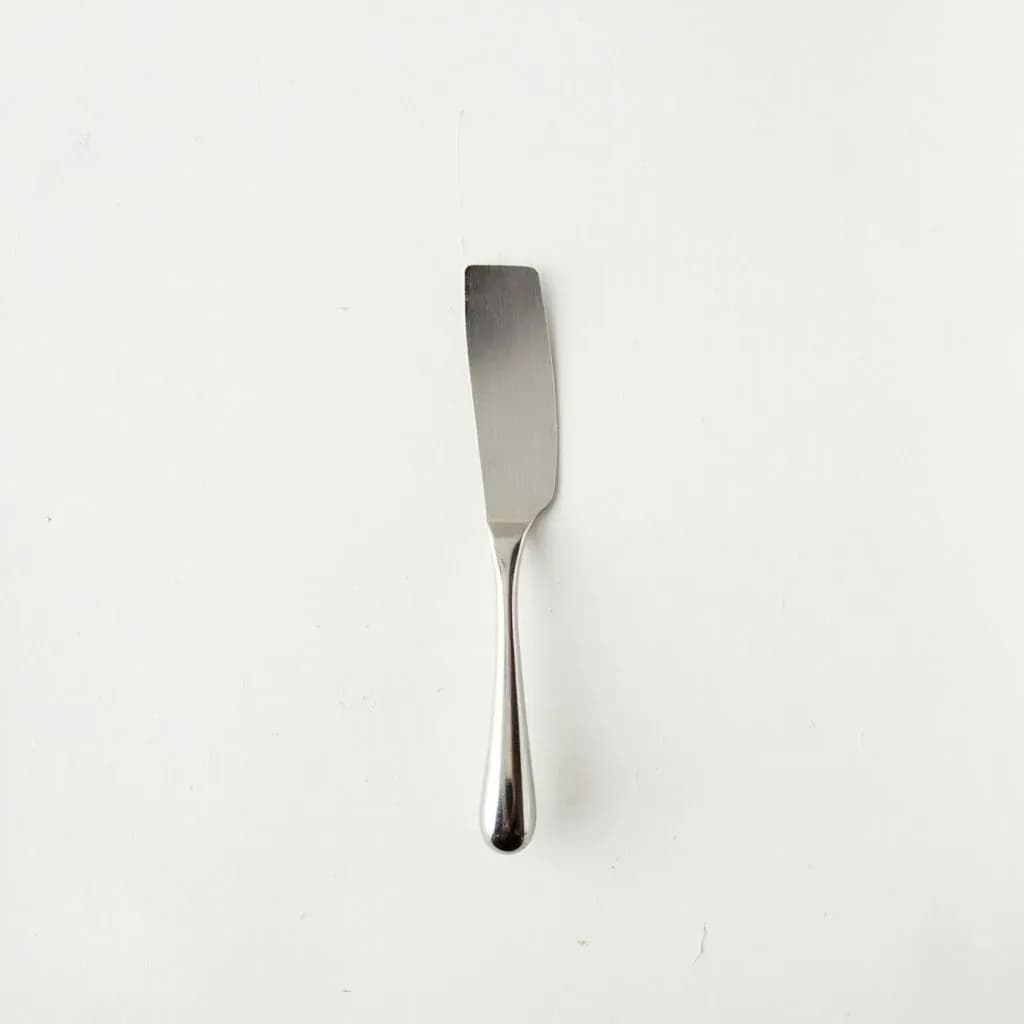
A small tool for wiping bone fragments and dust off cuts after sawing through bone.
A bone dust scraper is used by butchers and cooks to clean the gritty bone dust left on a cut surface after a band saw or cleaver passes through bone. Wiping it away gives a clean presentation, especially on frenched racks and bone-in chops. The simple scraper or stiff brush keeps the finished cut free of bone particles before cooking or display.
A bone dust scraper is the small, stiff-bristled brush a butcher reaches for the moment a bandsaw stops humming. When a saw passes through bone, the cut leaves a fine powder of calcium and marrow smears along with the occasional sharp splinter; that debris ruins presentation, contaminates trim, and can lodge in a diner's bite. The brush's job is to lift that dust cleanly off the meat and bone face without driving fragments deeper into the flesh or scoring the cutting board beneath.
The tool is deliberately small and aggressive: short brass or stainless bristles set in a wooden or dense plastic block, sized to work into joints, around shank bones, and across the broad face of a rib or loin. Brass is the traditional choice because it is softer than steel, will not throw sparks near a running bandsaw, and will not gouge a wooden butcher block. The rigidity of metal bristles is what separates a true bone dust scraper from a kitchen dish brush — you need scraping force, not sweeping force, to clear a bone face after a heavy cut.
For most home cooks the tool is overkill. But for anyone breaking down primals, splitting bones, or finishing chops and tomahawks for plating, it earns its place next to the cleaver and the honing steel, because no cloth or general-purpose brush does the same job as cleanly.
Alternatives
Types & varieties
The standard form — short brass or stainless bristles set in a wooden or plastic block with a handle, like a small scrub brush
Tools that pair metal bristles on one face with a flat metal scraping edge on the back, for pushing dust off boards and bones in a single pass
When a bone dust scraper earns its place
The tool is most valuable any time a saw, cleaver, or bone splitter has just left bone exposed. If your work never involves those steps — boneless retail cuts, trim work, vegetable prep — there is no reason to own one. If, however, you portion ribeyes from a bone-in primal, split veal shanks, french lamb racks, or finish tomahawks for the plate, the brush moves from optional to nearly essential.
- Butcher shops and meat plants: standard issue, kept at every saw station
- Charcuterie kitchens: used after splitting bones for stocks and presentations
- Serious home butchery: justified once you start working whole primals rather than pre-portioned subprimals
- General home kitchens: rarely needed; a clean dish brush or damp towel is usually enough for the modest sawing most cooks do
Common uses
Tips & pitfalls
- Choose brass over stainless when you work on wood boards — brass won't gouge the surface and won't throw sparks near a running bandsaw
- Brush across the meat, not down into it, so you lift fragments rather than driving them into the flesh
- Keep a dedicated brush for bone work; cross-using it for general cleaning spreads bone dust into trim and onto other tools
- Wash and dry the brush after every session — trapped fat and bone particles harden and quickly ruin bristle stiffness
- Work over a tray or scrap bin so the dust doesn't end up back on the board or in your trim pile
- Replace the brush when bristles splay or kink; once they bend they stop making firm contact with the meat
- For very fine dust on a finished cut, follow up with a clean, slightly damp cloth — the brush alone leaves a fine powder
- Avoid pressing so hard that bristles bend sideways; let the stiffness do the work and you'll get a cleaner face with fewer passes
Good to know
- Primary use
- Removing bone dust, shards, and small fragments from meat and bone surfaces after sawing
- Bristle material
- Usually brass; stainless steel is also common
- Handle material
- Typically hardwood or dense plastic
- Bristle character
- Short, stiff, densely packed — designed to scrape rather than sweep
- Why brass
- Non-sparking and softer than steel, so it won't score wooden boards or shed ferrous fragments
- Typical size
- Roughly 15–20 cm (6–8 in) long overall; brush face small enough to work into joints and around bone
- Also called
- Bone dust brush, butcher's bone brush, bone scraper brush
Also called
bone scraper · butcher's bone scraper
Related

Peeler
Swift blade for stripping skin off fruit and vegetables

Grater
Sharp-toothed surface for shredding cheese and vegetables

Microplane
Ultra-fine rasp for citrus zest, garlic, and hard cheese

Mixing Bowl
All-purpose bowl for combining, whisking, and tossing

Whisk
Looped wires that beat air into eggs, cream, and sauces

Spatula
Flat blade for flipping, lifting, and scraping

Slotted Spoon
Pierced spoon that lifts solids and drains the liquid behind

Wooden Spoon
Gentle, heat-friendly spoon for stirring anything