Prep Tools
Bottarga Grater
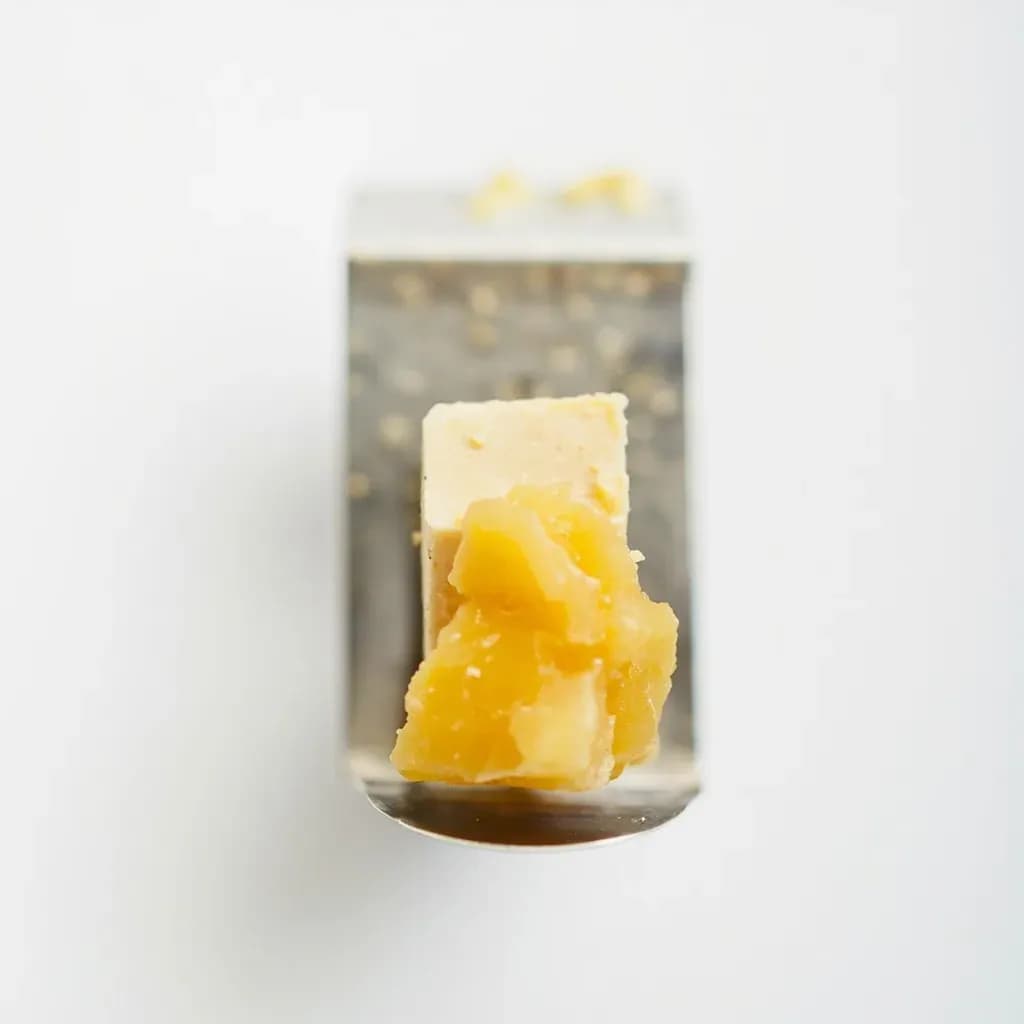
A fine rasp-style grater for shaving cured fish roe (bottarga) into powdery curls over pasta.
A bottarga grater is a fine-toothed rasp or microplane used to shave hard, salt-cured fish-roe pouches into fine flakes. Italian cooks dust the briny shavings over pasta, eggs, or crudo as a finishing seasoning. The fine teeth keep the dense, waxy roe from clumping so it melts evenly into the dish.
A bottarga grater is a small, dedicated rasp built for one job: shaving cured fish roe into the lightest possible dusting of curls. The blade carries the aggressive, microplane-style teeth of a fine zester, but the tooth geometry, handle shape, and surface area are tuned to the unique challenge of bottarga — a waxy, slightly oily sac that resists a knife yet clogs a coarse grater. In Italian kitchens, especially in Sardinia and Sicily where the roe is cured, the grater is as much a table-side ritual as a tool: the cook holds the intact sac over a plate of pasta or a crudo and rains down translucent amber curls that perfume the dish as they land. A dedicated rasp gives finer control over curl size, less crushing of the roe into paste, and a more comfortable grip when working one-handed over a dish; the trade-off is narrowness of purpose, since a bottarga grater is a specialist rather than a stand-in for an everyday zester.
Alternatives
Types & varieties
Artisan-made, often sold alongside the roe itself; flat blade with a beech or olive handle, the classic Sardinian form.
Best-known branded version outside Italy; stainless rasp set into a molded handle, widely available through kitchen retailers.
Long-handled Italian rasp marketed for both bottarga and hard grating cheeses; versatile but slightly coarser tooth pattern.
Hollow-handle design where shavings collect inside the body; convenient for table-side plating and clean presentation.
Small hand-held scraper, often made by the same producers who cure the roe; produces a rougher, more rustic shave with visible texture.
Why a Dedicated Grater Beats a Microplane
A fine Microplane zester is the most common stand-in and works in a pinch, but the two tools differ in three meaningful ways. A bottarga grater is narrower and stiffer, so it sits more comfortably in the hand when working a whole intact sac of roe over a deep plate. Its tooth pattern is tuned for the waxy, semi-oily texture of cured roe — aggressive enough to bite cleanly, spaced so the shavings fall away rather than smearing into a paste. And the handle and blade angle are designed for the single, decisive downward stroke that table-side finishing demands. The differences are subtle on paper, but obvious the first time you shave a precious sac of mullet bottarga over a plate of spaghetti and watch the curls land intact rather than clump.
- Look for a solid, comfortable one-handed grip — you will be working directly over the dish.
- Teeth should feel aggressive to the touch; dull teeth tear and crush rather than shave.
- Avoid graters sold as 'cheese and bottarga' multipurposes unless the teeth are genuinely fine; coarser blades turn the roe to mush.
- A flat or slightly curved blade is easier to control than a tall, boxy rasp.
Finishing at the Table
The point of a bottarga grater is to deliver the roe in its most aromatic state, which means shaving just before eating. The roe sac is held in one hand, the grater in the other, and the dish sits beneath; shavings should never touch a cutting board, because every flake that lands is a flake you want on the plate. The stroke is short, light, and one-directional — let the teeth do the work, and lift the grater away between passes so the curls drop clean. If the blade starts to drag, the roe is too warm or too moist; ten minutes back in the refrigerator will firm the surface and restore the bite.
- Chill the roe briefly before grating if it has been sitting at room temperature; cold roe shaves cleanly, warm roe smears.
- Hold the grater over the dish, not over a board, to catch every flake — bottarga is expensive and unforgiving to waste.
- Use the lightest pressure that still produces shavings; pressing harder does not give you more roe, just smaller, oilier flakes.
- For a finer dust, tilt the roe so you are working the thinnest edge of the sac rather than the thick center.
Care and Longevity
The fine teeth of a bottarga grater are its entire reason for existing, and they are the part most easily ruined. Salt from the roe is mildly corrosive, and oil left in the teeth will go rancid and ghost-flavor the next use. Wash promptly with warm (not hot) water and a soft brush, using only a drop of mild soap if needed, then dry the blade face-up on a towel. Never put a bottarga grater in the dishwasher. Store it dry, ideally in a sleeve or with the blade protected, and never wrap the roe in or near the grater — moisture will transfer in both directions and damage both items. A grater reserved for roe and hard cheese will outlast one pressed into service for garlic, onion, and citrus zest.
- Reserve a dedicated grater for roe and hard cheese; cross-use with garlic or onion will flavor delicate dishes for months.
- Skip the dishwasher — detergent and prolonged moisture dull the teeth and corrode the handle joint.
- A soft bottle brush or old toothbrush clears the teeth better than a sponge.
- If the blade ever feels draggy rather than crisp, the teeth are likely dull or clogged; clean thoroughly before assuming they are worn out.
Common uses
Tips & pitfalls
- Always grate in one direction; sawing back and forth crushes the roe and clogs the teeth almost immediately.
- Hold the roe and grater directly over the dish — bottarga is too expensive to lose flakes to a cutting board.
- Use light pressure and let the sharp teeth do the work; heavy hands turn curls into oily paste.
- If the blade feels draggy, the roe is likely too warm or moist; chill it for ten minutes and try again.
- Wash the grater promptly with warm (not hot) water and a soft brush; salt residue will pit stainless steel if left to sit.
- Never store the bottarga wrapped in or near the grater — moisture transfers both ways and damages both.
- Reserve a dedicated grater for roe and hard cheese; using it for garlic or onion will ghost-flavor delicate dishes for months.
- If you do not own one, a fine Microplane (the zester blade, not the ribbon blade) is the closest widely available stand-in.
Good to know
- Tool type
- Specialized rasp-style grater with a fine, sharp microplane-style blade
- Primary use
- Shaving cured grey mullet or tuna roe (bottarga) into fine curls or powder
- Origin
- Italy, with strong traditions in Sardinia and Sicily
- Typical materials
- Stainless-steel rasp blade set in a wooden handle (olive, beech, or walnut); all-metal versions also exist
- Blade style
- Fine, photo-etched or stamped teeth on a flat or gently curved surface, generally narrower than a standard Microplane
- Working motion
- Single-direction strokes only — sawing crushes the roe and clogs the teeth
- Cleaning
- Hand wash in warm water and dry immediately; salt residue will pit stainless steel if left to sit
- Also works on
- Other very hard, waxy foods: aged Pecorino Sardo, rock-hard aged Parmigiano, frozen whole spices
Also called
bottarga rasp · fine microplane
Related

Peeler
Swift blade for stripping skin off fruit and vegetables

Grater
Sharp-toothed surface for shredding cheese and vegetables

Microplane
Ultra-fine rasp for citrus zest, garlic, and hard cheese

Mixing Bowl
All-purpose bowl for combining, whisking, and tossing

Whisk
Looped wires that beat air into eggs, cream, and sauces

Spatula
Flat blade for flipping, lifting, and scraping

Slotted Spoon
Pierced spoon that lifts solids and drains the liquid behind

Wooden Spoon
Gentle, heat-friendly spoon for stirring anything