Baking & Pastry
Chocolate Tempering Machine
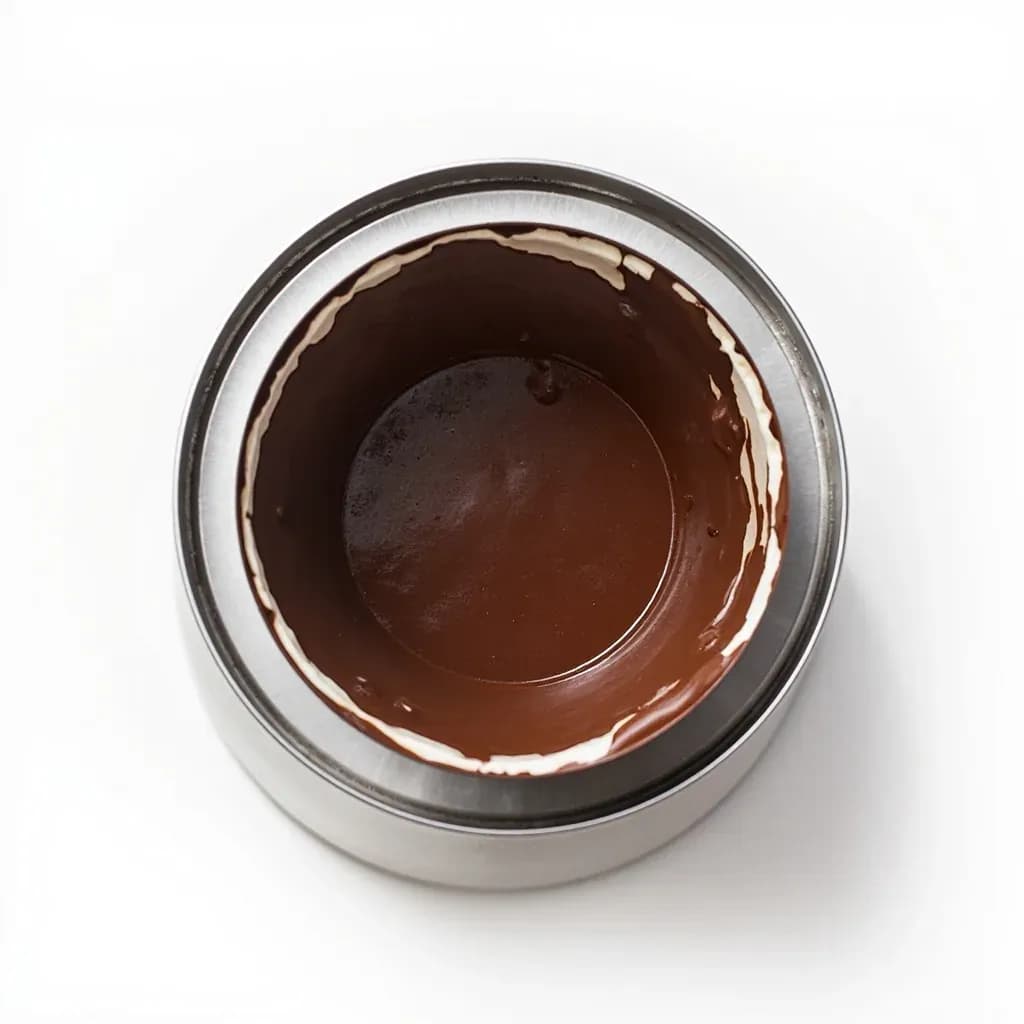
A heated, agitated bowl that holds chocolate at the precise temperature for proper crystallization.
A chocolate tempering machine melts and continuously stirs chocolate while holding it at a tightly controlled temperature so the cocoa butter forms stable crystals. Chocolatiers use it to produce glossy, snappy chocolate for bonbons, bars, and coatings without hand-tempering on a marble slab. Many models include a vibrating mold table or pump-and-wheel to streamline production.
A chocolate tempering machine is a heated, agitated vessel that holds melted chocolate at a narrow working-temperature window — typically 31–32 °C for dark, 29–30 °C for milk, 27–28 °C for white — while continuously stirring it. That constant motion keeps the temperature even throughout the bowl and works trapped air out of the chocolate, but its real job is to maintain a population of stable cocoa-butter crystals (Form V) that give finished chocolate its snap, gloss, and resistance to fat bloom. The bowl is usually food-grade stainless steel with a water jacket or electric element for heating, and better machines add active cooling so the chocolate can be brought down from the melt and then re-warmed into the working band automatically.
In practical terms, the machine replaces a job that is otherwise tedious and finicky: a chocolatier working by hand must re-temper every 20–30 minutes because the stable Form V crystals slowly revert to the more stable but duller Form VI. A tempering machine holds that curve for hours on end, freeing the cook to dip, mold, or enrobe without watching a thermometer. For an artisan shop producing 5–15 kg of bonbons a day, a benchtop programmable unit is usually the right scale; above roughly 30–40 kg a day, a continuous (Rev-type) machine or full enrobing line pays for itself in labor saved. Note that a tempering machine tempers only — it does not refine or conch chocolate, which is the role of a melanger or industrial refiner-conche.
Alternatives
Types & varieties
Small heated bowl with a rotating agitator; holds 1.5–8 kg of chocolate at working temperature. The standard choice for pastry shops and chocolatier kitchens.
Chocolate flows through a scraped-surface heat exchanger and is tempered in transit. Used for medium-to-high volume enrobing and bar production.
Benchtop or floor unit with digital control of the melt–cool–re-warm curve; stores recipes for dark, milk, and white chocolate.
Combined tempering and coating machine: tempers chocolate, then passes centers on a wire-mesh belt under a flowing chocolate curtain. Available as belt-fed tabletop and industrial models.
The three-phase cycle
Every tempering machine runs chocolate through the same logical sequence, whether it is a €2,000 benchtop bowl or a six-figure continuous line. Understanding the phases makes it much easier to diagnose a temper that is going off.
- Melt: chocolate is heated to 40–45 °C to destroy all existing crystal forms. Any residual stable seeds will throw the curve off, so the melt must be thorough.
- Cool: the chocolate is brought down into the crystallization range (roughly 27–28 °C for dark, 26–27 °C for milk, and 25–26 °C for white) and held there long enough for stable Form V nuclei to form. Machines with active cooling reach this band in minutes; passive machines do it more slowly.
- Re-warm and hold: the chocolate is raised back to its specific working temperature and held there. The stable nuclei are now present in the right ratio, and the chocolate will set with snap and gloss.
Choosing the right size
Match the machine to the volume of chocolate you actually melt in a day, not the volume you aspire to. A machine that is too small for your workflow will spend more time refilling than tempering; one that is too large will leave a small batch circulating so long that it thickens and goes out of temper.
- Under 5 kg/day: a hand-tempered marble or seeding method is usually enough; a machine is a luxury.
- 5–15 kg/day: a programmable benchtop unit (1.5–8 kg capacity) is the sweet spot for an artisan chocolatier.
- 15–40 kg/day: a mid-size bowl or a small continuous tempering machine paired with a depositor or enrober.
- Above 40 kg/day: a continuous Rev-type machine, usually integrated with an enrobing line, becomes economically sensible.
Room conditions matter as much as the machine
A tempering machine holds chocolate at the right temperature, but it cannot fight a hostile room. Hot, humid air pulls heat into the chocolate as it sits in molds and can knock a thin shell out of temper before it sets.
- Aim for 18–20 °C ambient with relative humidity below 60 % in the dipping and molding area.
- Avoid placing the machine next to an oven, dishwasher, or sunny window.
- Let freshly dipped or molded pieces set in a cool draft-free spot, not on a warm marble slab.
Common uses
Tips & pitfalls
- Verify the machine's reading with an independent digital probe thermometer; the built-in sensor on cheaper units can sit 1–2 °C off the actual chocolate temperature and that is enough to break a temper.
- Keep water out of the bowl at all costs — even a single drop will seize the chocolate, force a full re-melt, and can leave a residue that affects future batches.
- Clean the bowl thoroughly between chocolate types; residual milk solids from a previous run raise the fat profile and can drag a dark-chocolate temper out of its working band.
- Do not overfill — leave at least 4–5 cm of headspace so the agitator folds the surface down rather than whipping air in and thickening the chocolate.
- Re-temper if chocolate sits at working temperature for more than 2–3 hours; Form V crystals slowly convert to Form VI and the chocolate loses snap and gloss even though the thermometer still reads right.
- Never mix fresh melted chocolate into old tempered chocolate without checking both temperatures first — a few degrees off and the whole batch falls out of temper.
- Use dark chocolate with at least 31 % cocoa butter for thin molded shells; lower-fat bars temper and demold less cleanly, no matter how good the machine is.
- Tap molds firmly on the bench or run them across a vibrating table for 10–20 seconds after depositing to release trapped air before the chocolate sets.
Good to know
- Function
- Holds melted chocolate at a precise working temperature while agitating it continuously to maintain stable cocoa-butter crystals (Form V).
- Working temperature — dark
- 31–32 °C (88–90 °F)
- Working temperature — milk
- 29–30 °C (84–86 °F)
- Working temperature — white
- 27–28 °C (80–82 °F)
- Capacity range
- Benchtop 1.5–8 kg; mid-size 15–60 kg; industrial continuous units 100 kg/h to several hundred kg/h.
- Cycle phases
- Melt (40–45 °C) → cool to crystallization range → re-warm to working temperature and hold.
- Construction
- Food-grade stainless bowl or scraped-surface heat exchanger; electric heating element and/or water-jacketed or compressor cooling.
- Cleaning
- Bowl and scrapers removable; cleaned by a chocolate purge (re-melt of residue) then hot water — never soap, which ruins future batches.
- Indicative price
- Benchtop roughly €1,500–€6,000; mid-size €8,000–€25,000; industrial continuous lines from €40,000 upward.
Also called
Tempering Machine · Chocolate Temperer
Related

Muffin Pan
Multi-cup pan for muffins, cupcakes, and egg bites

Bundt Pan
Fluted ring mold for showstopping cakes with a center hole

Springform Pan
Latch-release pan that frees delicate cakes without flipping

Pie Dish
Sloped round dish for crisp-bottomed pies and quiches

Tart Pan
Fluted pan with a pop-out base for clean-edged tarts

Rolling Pin
Rolls dough into even sheets for pastry and bread

Pastry Brush
Brushes on egg wash, glaze, butter, and marinades

Bench Scraper
Flat blade that divides dough and clears your work surface