Prep Tools
Fat Separator
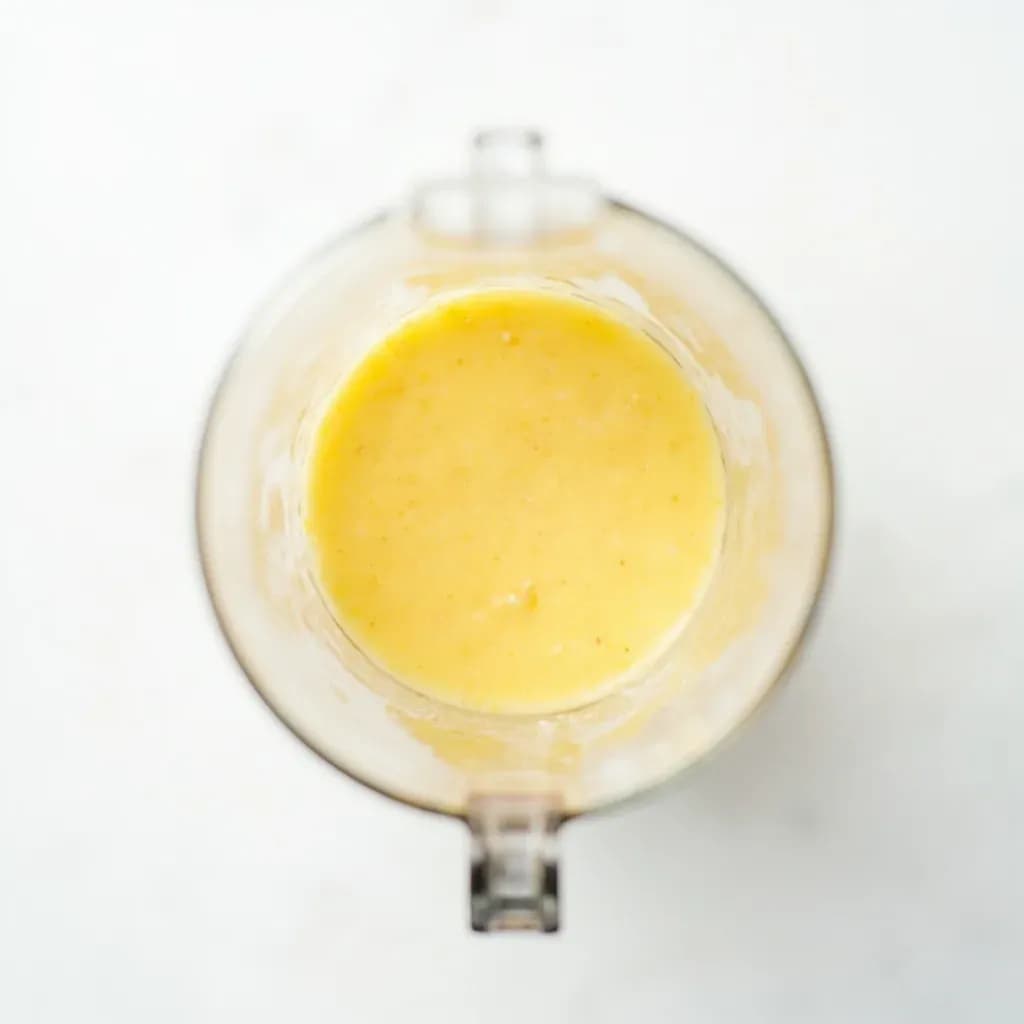
A measuring-cup-like jug that lets you pour off defatted stock or pan juices from beneath the floating fat.
A fat separator is a clear jug with a spout drawing from the bottom, used to separate lean liquid from the fat that floats on top of stocks and pan drippings. Poured juices settle, then the spout dispenses the defatted liquid while the fat stays behind. Bottom-pour and lever-valve designs both leave the grease layer untapped for cleaner gravies.
A fat separator is a measuring-cup-shaped jug built around a single physical fact: rendered fat is less dense than water-based cooking liquids, so when stock, pan drippings, or gravy is left to stand, the fat floats to the surface in a distinct layer. The vessel's defining feature is a pour spout or bottom-release valve positioned at the base of the cup, so when you tip it or trigger the lever, liquid drains from beneath the fat cap while the fat stays behind. Most modern models also carry a fine strainer at the top to catch meat scraps, herbs, and coagulated proteins before the liquid settles.
Removing surface fat is one of the highest-leverage steps in sauce work and stock finishing. A defatted reduction glazes cleanly, sauces cling to meat and vegetables instead of pooling as greasy puddles, and chilled consommés and aspics set transparent rather than cloudy. The separator is a faster, more controlled alternative to spooning fat off the top or chasing it with paper towels, and it doubles as a graduated measuring jug so you can see exactly how much usable liquid you have left after degreasing.
Bodies are made of heat-tolerant plastic, tritan, or borosilicate glass so the cup can receive liquids straight from the pan. Pouring too quickly or overfilling re-emulsifies the fat layer back into the liquid, which is why a slow, steady pour with at least an inch of headspace is the key to a clean split. Captured fat, strained through a coffee filter, is excellent for frying eggs, roasting potatoes, or building a roux.
Alternatives
Types & varieties
A standard liquid measuring cup with a spout positioned low enough to pour from beneath a fat layer; the simplest and cheapest form.
A trigger or push-button at the base opens a valve for controlled pouring; popular models combine this with a built-in strainer and measurement marks.
Heatproof borosilicate glass jugs that resist staining and odor carryover; heavier and more fragile than plastic.
A wide-mouthed pitcher designed primarily for skimming fat from the top of a pot, with a built-in spout for the defatted liquid.
A saucepan-shaped vessel with a side spout at the base; drippings are simmered in it, then the deglazed liquid is poured off leaving fat behind.
Getting a clean split
The tool only works as well as the liquid you put into it. A few small habits make the difference between a perfectly defatted cup of stock and one with fat streaks re-suspended in it.
- Strain out solids first through a fine-mesh sieve so meat and herb debris does not puncture the fat layer.
- Let the hot liquid stand 2 to 3 minutes in the separator so the fat coalesces into a clean, even cap.
- For very fatty liquids, chill the filled separator in the freezer for 5 to 10 minutes; solidified fat can then be lifted off in one sheet with a fork.
- Pour or release slowly — a fast stream drags fat with it and re-emulsifies the contents.
- Leave at least an inch of headspace; once fat nears the spout there is no way to pour cleanly.
Common uses
Tips & pitfalls
- Reserve the captured fat, strained through a coffee filter, for frying eggs, roasting potatoes, or building a roux.
- Rinse with hot water and dish soap promptly; cooled fat is harder to remove, especially from the spout or valve.
- If you only need a small amount of defatted liquid, decant with a ladle from beneath the fat layer instead of pouring.
Good to know
- Primary function
- Separates rendered fat from hot liquids such as stock, pan juices, and gravy by exploiting fat's lower density, which causes it to float.
- Typical capacity
- Most home models hold 2 to 4 cups (roughly 500–1000 ml); 1-cup and larger 4-quart versions also exist.
- Common materials
- Heat-resistant BPA-free plastic is most common; borosilicate glass and high-heat tritan are also available.
- Key design feature
- A pour spout at the base of the cup, or a bottom-release valve or lever, so liquid drains from beneath the floating fat cap.
- Measurement markings
- Most models have graduated markings in cups, ounces, and milliliters, doubling as a measuring jug.
- Built-in strainer
- Most modern separators include a fine mesh strainer at the top to catch solids such as herbs, meat bits, and coagulated proteins.
- Heat tolerance
- Rated for hot liquids straight from the pan; not designed for stovetop heating or contact with an open flame.
- Dishwasher safety
- Most plastic and glass models are top-rack dishwasher safe; hand-washing extends the life of valves and seals.
Also called
Gravy Separator · Grease Separator
Related

Peeler
Swift blade for stripping skin off fruit and vegetables

Grater
Sharp-toothed surface for shredding cheese and vegetables

Microplane
Ultra-fine rasp for citrus zest, garlic, and hard cheese

Mixing Bowl
All-purpose bowl for combining, whisking, and tossing

Whisk
Looped wires that beat air into eggs, cream, and sauces

Spatula
Flat blade for flipping, lifting, and scraping

Slotted Spoon
Pierced spoon that lifts solids and drains the liquid behind

Wooden Spoon
Gentle, heat-friendly spoon for stirring anything