Prep Tools
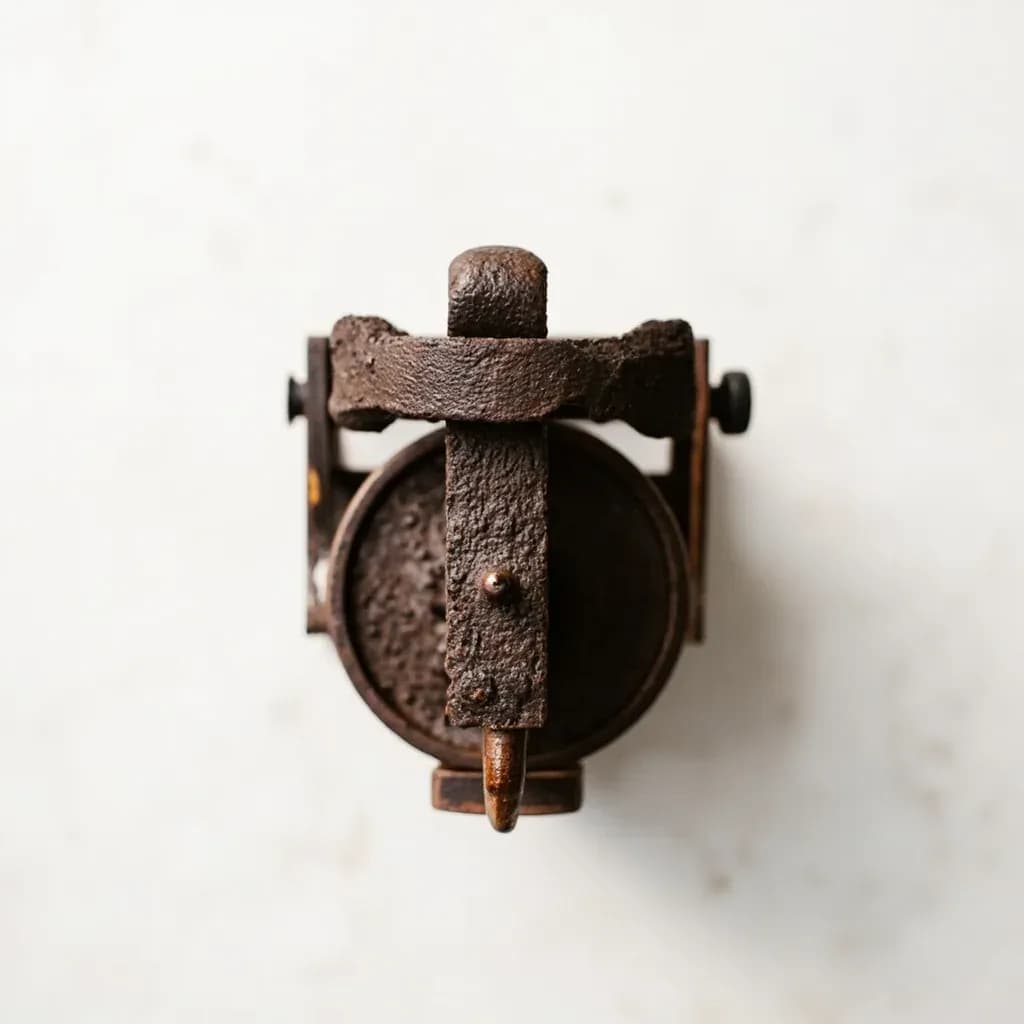
Hand Corn Grinder (Molino de Maíz)
A clamp-mounted hand-cranked mill that grinds dried or nixtamalized corn into masa, meal, or grits.
A hand corn grinder is a cast-iron mill clamped to a table and turned by a crank to grind corn, grains, and pulses between adjustable burrs. It is essential for turning nixtamalized corn into masa for tortillas and tamales, and for milling cornmeal and grits at home. The burr gap is tightened or loosened to set the grind from coarse meal to fine flour.
A hand corn grinder—molino de maíz or molino de mano in Spanish—is a clamp-mounted, hand-cranked mill built for one job: turning dried or nixtamalized corn into masa, meal, or grits. The reference design is the Colombian-made Corona mill, a cast-iron workhorse that has anchored Mexican, Central American, and Andean home kitchens for more than a century. It uses two adjustable grinding plates turned by a hand crank, replacing the slow, labor-intensive work of the metate (stone slab and rolling pin) with something a single cook can operate from a standing position.
The mill matters because it sits at the exact midpoint of the traditional nixtamal-to-tortilla pipeline. After corn has been cooked and steeped in an alkaline solution, the softened kernels must be ground wet into a pliable dough before they can be pressed and cooked. The molino de mano makes that step fast and consistent, and the grind is adjustable—tighten the plates for fine tortilla masa, loosen them for coarser tamale dough or cracked dried corn. It is slow work, several minutes of steady cranking per pound, but the resulting masa has a flavor and texture that reconstituted masa harina cannot fully replicate.
Most home cooks today reach for instant corn flour out of convenience, and electric molinos are standard equipment in tortillerías. But for anyone committed to fresh nixtamal—or working in a kitchen without reliable electricity—the hand-cranked grinder remains the essential link between cal-cooked corn and the tortilla press.
Alternatives
Types & varieties
The classic Colombian-made hand mill; cast-iron body, two grinding plates, clamp base—the reference design most cooks picture when they say 'molino de mano'
Colombian brand with the same general form factor as Corona; cast-iron, clamp-mounted, hand-cranked, and widely available in Latin American markets
Colombian housewares brand offering a similar clamp-on manual corn grinder at a slightly lower price point
Lighter, cheaper versions widely sold in Latin American markets; less durable than cast iron and more prone to plating wear
Primarily designed for wheat and other dry grains; rarely used for corn because nixtamal moisture degrades the stone
Working with nixtamal, not just dry corn
A molino de maíz is built for wet grinding, and nixtamal—corn that has been cooked with calcium hydroxide (cal) and steeped overnight—is the material it handles best. The alkali loosens the hull and softens the kernel, and the residual moisture is what allows the plates to smear the corn into a cohesive, pliable dough rather than pulverizing it into flour. Run truly dry, untreated field corn through the mill and you will produce meal, but the plates will work much harder and the output will feel chalky. For the traditional corn-kernel-to-tortilla pipeline, nixtamal is non-negotiable.
Plate settings and texture
Most hand mills adjust by means of a spring-loaded knob or a central screw that moves one plate closer to the other. There is no numeric scale; cooks learn by feel and by the sound of the crank.
- Tight plates: fine, smooth masa for tortillas, sopes, and gorditas
- Medium plates: standard tortilla masa with a slightly grainy bite
- Loose plates: coarse, crumbly grind suited to tamale masa or pinole
- Wide-open plates: cracked dried corn for atole or rustic grits
Care and longevity
Cast iron and moisture are natural enemies, and a molino spends its working life in contact with wet corn. A few habits will keep one grinding cleanly for decades.
- After every use, take the mill apart and towel-dry the plates, hopper, and crank shaft before any moisture can sit and rust
- Coat the dry plates with a thin film of food-grade oil before reassembly; a waxy layer of mineral oil works well for long storage
- Periodically check the central adjusting screw and the clamp threads for caked-on masa, which throws off grind consistency if left to harden
- Store the mill in a dry spot with the clamp loose so the tension spring is not under constant load
- If rust appears, scrub the affected area with a stiff brush and a paste of fine salt and oil, then re-oil before the next use
Common uses
Tips & pitfalls
- Drain nixtamal thoroughly but keep it visibly moist—bone-dry kernels will not form a pliable masa paste, no matter how fine the grind
- If nixtamal has dried out between batches, sprinkle with a little water and let it rest 10–15 minutes before grinding
- Clamp the mill to a thick, sturdy counter edge; thin or wobbly surfaces let the mill walk across the kitchen under cranking pressure
- For tortilla masa, run the nixtamal through twice—first at a coarse setting to break the kernels, then again at a fine setting to develop the dough
- For tamale masa, a single coarser pass is usually preferred; an overly fine grind produces dense, heavy tamales
- Crank at a steady, moderate pace; forcing the handle strains both the plates and the cook's wrist, and rarely produces better masa
- If a kernel jams, crank backward briefly to clear it rather than driving it through forward under pressure
- Disassemble and dry all parts thoroughly after each use, then coat the plates with a thin film of food-grade oil before reassembly to prevent flash rust
- Reserve a dedicated mill for nixtamal if you also grind dried spices, chiles, or coffee—flavor carryover is real and hard to clean out of cast iron
Good to know
- Origin
- The iconic design is the Corona mill, manufactured in Colombia by Productos Corona and used throughout Mexico, Central America, and the Andean region
- Also called
- Molino de maíz, molino de mano, molino manual, hand-cranked corn mill
- Body material
- Cast iron on standard models; lighter tin-plated or aluminum economy versions also sold
- Grinding plates
- Steel or cast iron, adjustable from coarse cracked corn to fine, paste-like masa
- Mounting
- C-clamp that grips a table or counter edge; must be seated on a sturdy surface
- Power source
- Hand crank that rotates the inner plate against a stationary outer plate
- Hopper capacity
- Roughly 1–2 lb of corn at a time; a steady hour of cranking yields several pounds of masa
- Maintenance
- Disassemble, dry, and oil plates after each use to prevent rust
Also called
Molino de Maíz · Corn Mill · Hand Grain Mill · Wet Grinding Mill
Related

Peeler
Swift blade for stripping skin off fruit and vegetables

Grater
Sharp-toothed surface for shredding cheese and vegetables

Microplane
Ultra-fine rasp for citrus zest, garlic, and hard cheese

Mixing Bowl
All-purpose bowl for combining, whisking, and tossing

Whisk
Looped wires that beat air into eggs, cream, and sauces

Spatula
Flat blade for flipping, lifting, and scraping

Slotted Spoon
Pierced spoon that lifts solids and drains the liquid behind

Wooden Spoon
Gentle, heat-friendly spoon for stirring anything