Prep Tools
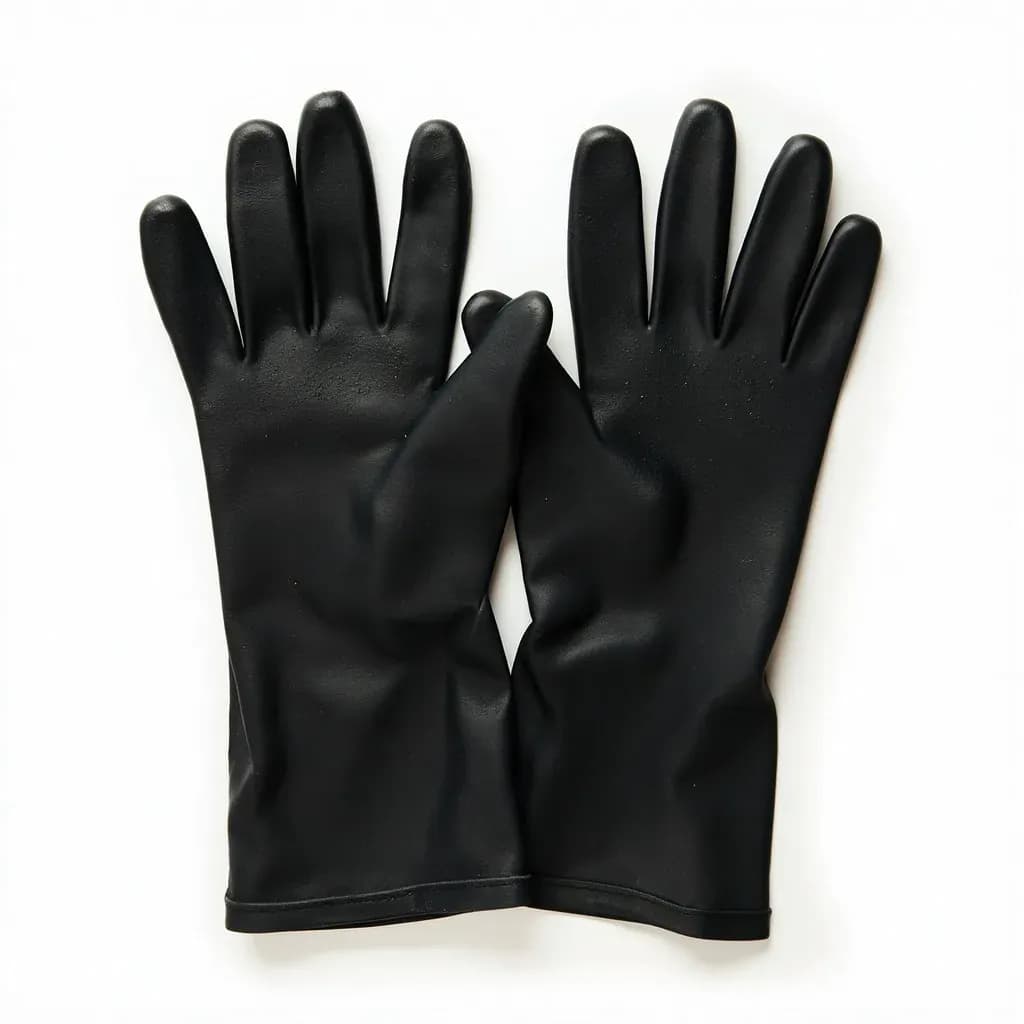
Heat-Resistant Gloves
Insulated gloves or mitts that protect the hands when handling hot pans, grates, and smoker doors.
Heat-resistant gloves are made of silicone, aramid fiber, or thick quilted fabric to shield the hands and forearms from burns. Cooks wear them to lift cast-iron pans, pull racks from a hot oven, manage charcoal and smoker hardware, and shred just-cooked meat. The best ones offer dexterity and grip while withstanding contact temperatures well above what a folded towel can handle.
Heat-resistant gloves fill the gap between a standard kitchen mitt and full welder's PPE. They let a cook grab, twist, and reposition genuinely hot objects — grill grates, smoker lids, pizza stones, Dutch oven handles — at temperatures that would scorch a cloth mitt in seconds. Most are built from food-grade silicone or aramid fibers (Nomex, Kevlar), with neoprene-coated and leather versions for heavier jobs. The defining feature is contact-heat protection: the glove insulates the hand while wrapped around a hot surface, not while held in front of a flame.
They behave very differently from a potholder or terry mitt. A silicone mitt rated to roughly 450°F (230°C) handles everyday oven and stovetop work and shrugs off steam and spills, but it conducts heat fast when wet, because water on or inside the glove bypasses the insulation. An aramid-fiber five-finger glove, typically rated to 500–700°F (260–370°C) for short contact, is the practical standard for kamado cookers, offset smokers, wood-fired ovens, and pizza ovens — thin enough to feel a damper knob or rotate a pizza peel, long enough to cover the forearm when reaching into a pit.
Choosing a pair comes down to your hottest repetitive task. For 350–450°F oven and stovetop work, a washable silicone mitt is plenty. For anything that pushes past 500°F or requires real dexterity around fire, an aramid five-finger glove is the right tool. Buy for the temperature you actually touch, not the ambient temperature of the cooker, and replace the glove when the silicone cracks, the fabric frays, or the lining compresses — insulation degrades long before the outer shell looks worn.
Alternatives
Types & varieties
Flexible, waterproof, easy to clean; lower temperature ceiling than aramid; the everyday choice for oven and stovetop work.
Nomex or Kevlar knit; the standard for smokers, kamados, and pizza ovens; high heat tolerance with five-finger dexterity; often marketed as grill or pitmaster gloves.
Rubberized coating adds grip and moisture resistance; common in commercial kitchens for wet-heat handling and stockpot work.
Heavy-duty protection for campfires, wood-fired ovens, and long-duration fire tasks; less dexterous than knit or silicone options.
More insulation and surface area than five-finger designs; favored for very hot, heavy, awkward loads like a full Dutch oven.
Best dexterity for adjusting vents, turning knobs, handling rotisserie hardware, and shaping coals.
Extended forearm coverage for opening smoker doors and reaching into pits, kamados, or wood-fired ovens.
Reading heat ratings
Glove temperature ratings describe contact heat — how hot a surface can be when you grip it briefly — not the ambient temperature inside a cooker. A 450°F-rated silicone mitt will protect a hand wrapped around a 400°F pan handle for a few seconds, but it will not protect a hand held in front of a 600°F pizza-oven dome. Buy a glove rated 50–100°F above the hottest surface you actually touch. Steam is the other trap: water on or inside a silicone mitt conducts heat straight to the skin, so a damp mitt can scald at far lower temperatures than its rating suggests. Always dry the glove fully before reaching into a hot cooker.
- Contact-heat rating ≠ ambient-heat tolerance.
- Buy 50–100°F above your hottest hand contact.
- Wet silicone conducts heat fast — never reach in with a damp glove.
- No glove is a sustained-flame barrier; keep exposure brief.
Common uses
Tips & pitfalls
- Wet silicone gloves conduct heat fast from steam — always dry them thoroughly before use; never grab a wet mitt for a hot pan.
- Buy gloves rated for contact heat at a temperature 50–100°F above what your grill or oven actually reaches; ratings are for contact, not ambient radiant heat.
- Don't treat any glove as a direct-flame barrier indefinitely — even aramid gloves have limits; keep exposure brief and stay clear of open flames when possible.
- Choose five-finger gloves when you need to turn knobs, adjust vents, or grip thin handles; choose mitts for lifting heavy, awkward hot loads.
- Replace gloves when the silicone is cracked, the fabric is frayed, or the inner lining is compressed — insulation degrades before the shell looks worn.
- Store hanging or flat; folding silicone mitts sharply can cause stress cracks that let heat through.
- Look for a textured silicone palm or a silicone-grip aramid glove if you regularly handle slick cast-iron lids — bare aramid knit can be slippery.
- Avoid using the same gloves for handling raw meat and for plating; designate a clean pair for finishing and presentation to reduce cross-contamination.
Good to know
- Category
- Personal protective equipment / Prep tool
- Common materials
- Food-grade silicone, aramid fibers (Nomex, Kevlar), neoprene-coated fabric, leather
- Temperature rating (silicone)
- Around 450°F / 230°C continuous contact
- Temperature rating (aramid)
- 500–700°F / 260–370°C for short contact
- Style
- Five-finger glove (best dexterity) or full mitt (more insulation, less control)
- Typical length
- 11–14 inches for BBQ/smoker gloves to cover forearm; shorter for oven mitts
- Cleaning
- Most silicone and aramid styles are hand- or machine-washable; silicone resists stains and odors
- Key property
- Designed for contact heat, not sustained direct flame
- Food safety
- Food-grade silicone and aramid fibers are non-toxic and do not off-gas at cooking temperatures
Also called
BBQ mitts · oven gloves · grill gloves · oven mitts
Related

Peeler
Swift blade for stripping skin off fruit and vegetables

Grater
Sharp-toothed surface for shredding cheese and vegetables

Microplane
Ultra-fine rasp for citrus zest, garlic, and hard cheese

Mixing Bowl
All-purpose bowl for combining, whisking, and tossing

Whisk
Looped wires that beat air into eggs, cream, and sauces

Spatula
Flat blade for flipping, lifting, and scraping

Slotted Spoon
Pierced spoon that lifts solids and drains the liquid behind

Wooden Spoon
Gentle, heat-friendly spoon for stirring anything