Prep Tools
Kneading Tray (Paraat)
A wide, shallow metal tray used across South Asia for mixing and kneading dough by hand.
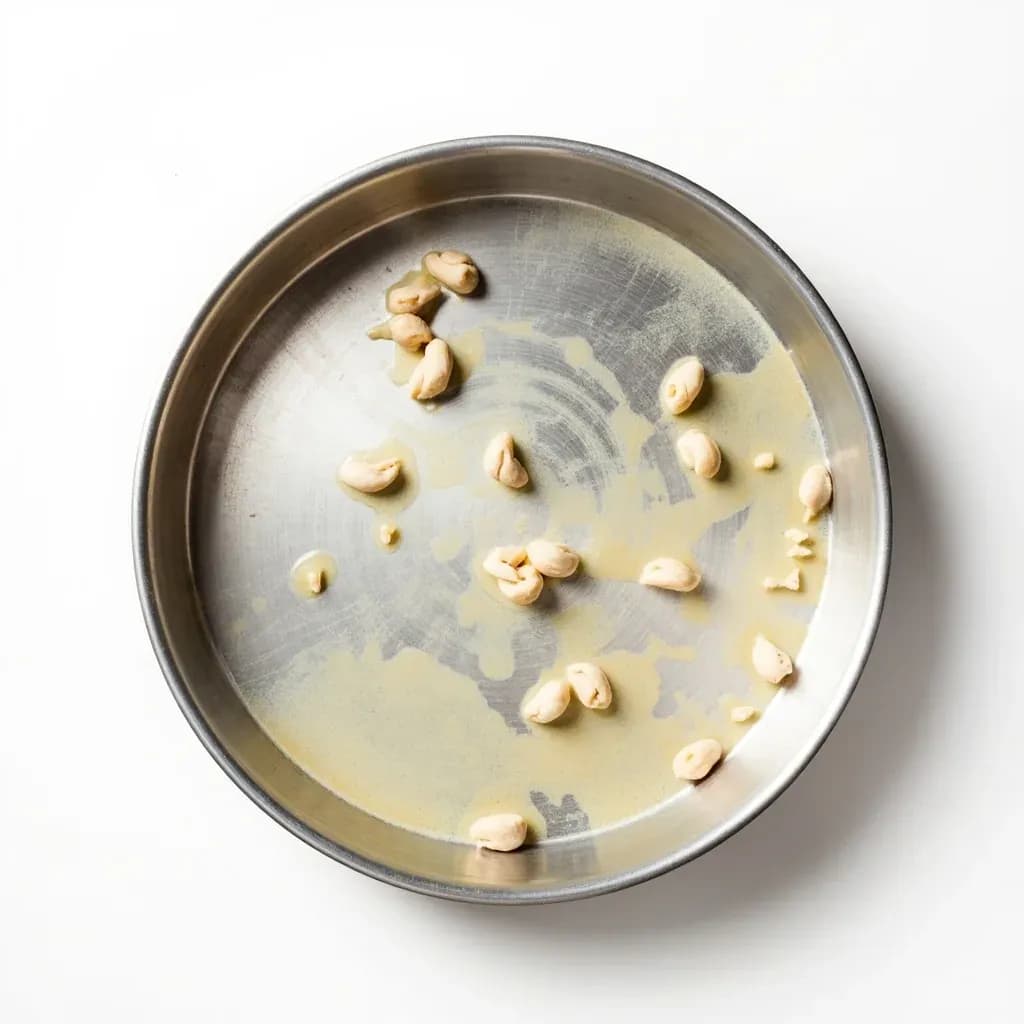
A paraat is a broad, low-rimmed round tray, usually stainless steel, that gives plenty of room to combine flour and water and work it into dough without spilling. It is the everyday vessel for making roti, chapati, and naan dough, and doubles as a tray for shaping or coating foods. Its flat base and high sides keep flour contained while the cook folds and presses the dough.
The paraat is a large, shallow, circular metal tray that has shaped dough work across South Asia for generations. Its defining feature is the combination of a wide flat base with a rim so low it barely contains what is inside — usually only an inch or two tall, occasionally up to three. That geometry is the whole point: a cook can push, fold, and toss a sizable mass of atta dough with the heel of the palm, letting the dough roll back on itself rather than getting trapped in the corners of a deep bowl. The result is dough that is aerated, evenly hydrated, and supple in a way that is hard to replicate on a flat countertop or in a stand mixer.
Traditionally the paraat is brass, often tinned (kalai) on the inside to keep the metal from reacting with food, and heavy enough to stay put on the floor or a low wooden stool. Stainless steel has largely taken over in modern homes because it is lighter, cheaper, and dishwasher-safe, but the tactile pleasure and inertia of a brass tray are why halwais and many home cooks still prefer it. Whether you sit cross-legged on the floor as generations of South Asian cooks have, or work at counter height, the tray's shallow curve is what makes the rhythmic push-and-fold motion possible — and that motion is what gives chapati, paratha, and poori their characteristic softness.
For a tool with such a simple form, the paraat is remarkably versatile. Beyond dough, it is the vessel of choice for tossing biryani by hand, mixing large batches of barfi and ladoo in halwai shops, drying soaked grains and dal in the sun, and serving food on a grand platter at weddings and festivals. A stand mixer or a large bowl can replace it functionally for small batches, but neither gives you the same unhurried, full-palm fold that is the paraat's gift to anyone who makes flatbread regularly.
Alternatives
Types & varieties
The traditional choice; warm golden color, heavy, often tinned inside. Prized for its feel and the smooth way dough slides across it.
Less common today; historically used in royal and Mughal-tradition kitchens. Conducts heat well but needs regular polishing and tinning.
Modern workhorse — affordable, rust-resistant, easy to clean, lighter than brass. The most widely sold today.
Lightweight and cheap; less durable, dents easily, and not preferred by traditional cooks for serious dough work.
Oversized versions used in sweet shops and catering; sometimes set into a wooden or metal stand for working while standing.
Occasional ceremonial or religious version; used at weddings and pujas rather than as everyday kitchenware.
Choosing the Right Paraat
Size matters more than material for most home cooks. A tray that is too large for your body becomes awkward; one that is too small defeats the purpose of working in bulk. The classic test: sit cross-legged on the floor (or on a low stool) with the tray in front of you and see if you can comfortably reach the center with the heel of your palm without leaning. For most adults that lands in the 22–26 inch range.
- Pick stainless steel for daily, low-fuss use; pick brass if you want the traditional weight and are willing to maintain the tinning.
- Check that the rim is rolled or smoothed — sharp or thinly pressed edges can cut into the base of your palm during long kneading sessions.
- Heft it in person if possible. A good paraat should feel solid but not unwieldy; a 24-inch brass tray typically runs 3–4 kg.
- Buy a slightly larger tray than you think you need — once cooks get used to the freedom of the paraat, they tend to knead bigger batches.
Kneading Technique on a Paraat
The paraat is built for a specific motion: push, fold, turn. Unlike kneading on a flat counter or in a deep bowl, the cook works with the dough pooled in the center, using the shallow curve of the tray to let the dough roll back on itself with every stroke.
- Sift the atta and salt together into the center of the tray, make a well, and add water a little at a time, mixing with fingertips into shaggy crumbs before adding more.
- Once the dough just holds together, begin the push-fold: press down and forward with the heel of the palm, push the dough away from you, then fold the far edge back over itself and give the mass a quarter turn.
- Use the body's weight rather than arm strength — brace the tray against your thighs or the stool edge so it does not slide with every push.
- Knead for 8–12 minutes for chapati atta; the dough is ready when it springs back lightly when poked and the surface is smooth, not tacky.
- Cover with a damp cloth (or invert a large bowl over the dough inside the paraat itself) and rest 20–30 minutes before shaping.
Care and Maintenance
Stainless steel paraats need almost nothing — wash, dry, store. Brass and copper ask for a little more attention, but the routine is straightforward and pays back in a tray that lasts decades.
- Hand-wash brass and copper; dishwasher detergent will strip tinning and dull the finish.
- Restore tarnish with a paste of lemon juice and salt, or tamarind and a mild abrasive, then rinse and dry thoroughly.
- Re-tin (kalai) the inner surface every few years if the silvery coating wears through to yellow brass — a local metalsmith can do this inexpensively.
- Store in a dry place; trapped moisture causes brass to blacken and stainless to spot.
Common uses
Tips & pitfalls
- Sit low — floor or low stool — and brace the tray against your thighs; the paraat is designed to be worked against the body, not balanced on a tall counter.
- Use the heel of the palm and a pushing-forward motion, not a straight downward press; the shallow rim is meant to let dough fold back on itself.
- Add water in small increments; the wide, exposed surface of the paraat means dough can go from dry to sticky faster than in a bowl.
- Keep the surface lightly oiled or dusted with flour when kneading sticky doughs, especially paratha, which can otherwise weld itself to the metal.
- Do not use an untinned brass or copper paraat for prolonged marination of acidic or salty mixtures (yogurt, citrus, pickle brine) — metals can leach. Brief dough contact is fine.
- Avoid steel wool on stainless paraats near the rim; it can leave dark marks that transfer to dough the next time you knead.
- If the tray slides on a smooth countertop, lay a damp cloth or thin rubber mat underneath — much easier than chasing it across the kitchen.
- A large rimless baking sheet is the closest modern stand-in, but the rolled or pressed rim of a real paraat gives the cook something to push against during the fold.
Good to know
- Origin
- South Asia (Indian subcontinent); long-standing use in home kitchens, halwai (sweet-maker) shops, and catering.
- Also called
- Parat, Paraat, Parath (Hindi/Urdu); 'kneading tray' or 'atta tray' in English.
- Typical diameter
- Roughly 18–30 inches (45–75 cm) for home use; commercial halwai paraats can be larger.
- Rim depth
- Shallow, usually 1–3 inches (2.5–7.5 cm) — just enough to contain dough without trapping it.
- Traditional material
- Brass, often tinned (kalai) on the inside; copper also used in Mughal-tradition kitchens.
- Modern material
- Stainless steel is now most common; aluminum exists but is less prized.
- Weight
- Brass paraats are heavy (often 3–6+ kg at larger sizes); stainless steel is lighter and easier to handle.
- Primary use
- Mixing and kneading atta (whole-wheat flour) dough for roti, chapati, paratha, and poori.
- Care
- Brass and copper need occasional tinning and polishing; stainless steel is dishwasher-safe and low-maintenance.
- Food-safety note
- Unlined brass or copper should not contact prolonged acidic or salty foods; brief dough contact is generally considered safe.
Also called
paraat · parat · dough-kneading-bowl-paraat · kneading tray
Related

Peeler
Swift blade for stripping skin off fruit and vegetables

Grater
Sharp-toothed surface for shredding cheese and vegetables

Microplane
Ultra-fine rasp for citrus zest, garlic, and hard cheese

Mixing Bowl
All-purpose bowl for combining, whisking, and tossing

Whisk
Looped wires that beat air into eggs, cream, and sauces

Spatula
Flat blade for flipping, lifting, and scraping

Slotted Spoon
Pierced spoon that lifts solids and drains the liquid behind

Wooden Spoon
Gentle, heat-friendly spoon for stirring anything