Prep Tools
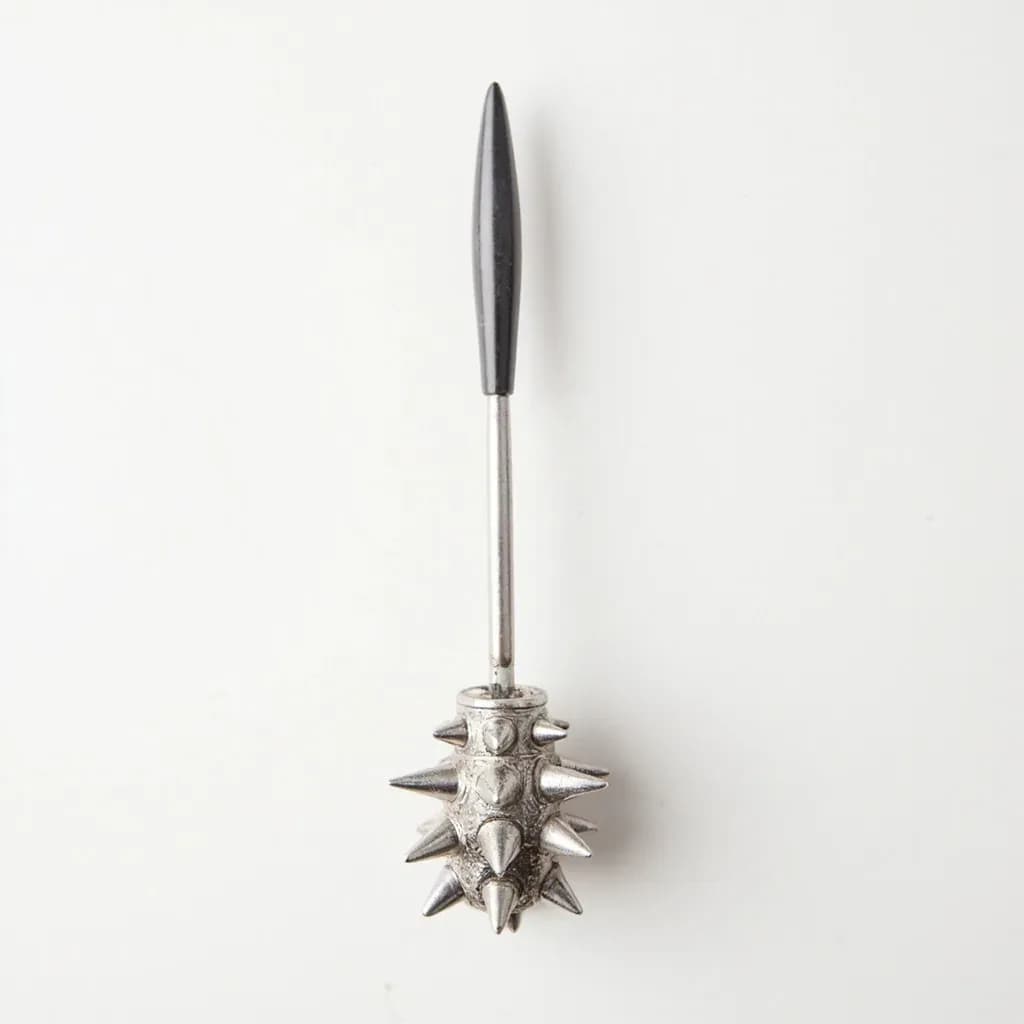
Meat Tenderizer Mallet
A heavy mallet used to pound meat thinner and break down tough fibers before cooking.
A meat tenderizer mallet is a hand tool with a weighted head, usually with one flat face and one textured spiked face. The flat side flattens cutlets to an even thickness for quick, uniform cooking, while the toothed side breaks muscle fibers to soften tougher cuts. Cooks use it for schnitzel, scaloppine, and chicken paillard, often pounding the meat between sheets of plastic wrap to avoid spatter.
The meat tenderizer mallet is the workhorse tool behind some of the most recognizable dishes in European and American cooking — a properly pounded chicken paillard, a crisp Wiener schnitzel, a thin veal cutlet Milanese. At its core it is a short, heavy hammer with a rectangular or oval head, and the best versions give you two distinct faces: a flat, smooth side for thinning cuts to a uniform thickness, and a studded side covered in small raised pyramids that sever tough muscle fibers without pulverizing the flesh. That dual design is the mallet's quiet genius — pounding thinner changes how a piece cooks (faster, more evenly, more forgiving of high heat), while studding changes how it eats (more tender, less chewy, more open to marinade).
Most kitchen models run 9 to 11 inches long and weigh 8 to 16 ounces, heavy enough that you don't need to swing hard, which is the single most important thing to know about using one. Cast aluminum is the most common home material because it is light and affordable; stainless steel is the professional standard for its heft and durability; traditional wooden mallets, usually maple or walnut, remain favored in Italian kitchens for being gentler on the meat surface. The mallet is not the same tool as a Jaccard-style needle tenderizer: the mallet blunts and stretches, where the Jaccard slices; the mallet flattens as it tenderizes, while the Jaccard leaves the cut its original thickness. For a home cook who makes schnitzel, chicken cutlets, or a pounded steak, the mallet is the only tool that does both jobs in one stroke.
Used well, the mallet is one of the highest-leverage tools in the kitchen — a few minutes of work turns a thick, uneven chicken breast into a cutlet that cooks in under two minutes per side, or a tough round steak into something that braises more quickly, takes marinade better, and slices cleanly across the grain. Used poorly, it shreds the meat, drives out the proteins that help a cutlet hold its breading, and splatters the counter. The tool itself is simple; the technique is everything.
Alternatives
Types & varieties
The standard kitchen model: smooth face for pounding to even thickness, studded face for breaking down fibers in tougher cuts.
Both sides smooth; used purely for flattening (cutlets, paillards, crushable garnishes) without piercing the meat.
Studs on both sides; aggressive tenderizing for very tough cuts like round or flank steak.
Traditional Italian-style tool, gentler on meat, common in breading stations; hand-wash only and store dry.
Lightest metal option and the most common retail type; can react with acidic marinades if the alloy is uncoated.
Heavier and more durable; favored in professional kitchens; can mar delicate fish if overused.
Soft-grip or contoured handle reduces wrist strain; common in mid- to high-end home lines.
Smaller, shorter head for delicate work like flattening chicken tenders, butterflying fish fillets, or crushing a single garlic clove.
Flat vs. studded: matching the face to the cut
Choosing the right face is the decision that separates a clean cutlet from a shredded one. The two faces do different jobs, and most recipes assume one or the other without saying so.
- Flat face, for thickness: Use on cuts you intend to bread or sear hot and fast — chicken paillard, veal scaloppine, schnitzel, butterflied pork loin. The goal is even thickness, not tenderizing; pounding a premium tender cut thinner is plenty.
- Studded face, for texture: Use on cheaper, tougher cuts — round steak, flank, chuck, skirt — where the muscle fibers are the problem. The pyramids cut through connective strands the way a Jaccard's blades do, but blunt-force rather than slicing, so the meat stays intact.
- Never on delicate fish: The studded face will shred a fish fillet. Use only the flat face, very lightly, or skip the mallet entirely and portion by knife.
- Skin-on poultry: Pound skin-side down. If you use the studded face, keep it on the flesh side; the pyramids will tear skin and the cut won't crisp properly in the pan.
Common uses
Tips & pitfalls
- Always place the meat between two sheets of plastic wrap, wax paper, or inside a partially opened zip-top bag — this prevents tearing, splatter, and loss of juices onto the mallet and counter.
- Use the flat side for pounding thin, the textured side for tenderizing; running the studded face across a delicate cutlet will shred it.
- Pound from the center outward in even, firm strokes — not hard whacks — to keep the cut uniform and avoid blowing a hole through it.
- Aim for an even thickness across the whole piece, not just thinning the middle; press the meat with a flat palm after a few strikes to feel for thick spots.
- Don't over-tenderize. Repeated striking past the point of evenness turns the meat mushy and pushes out the proteins that help a breaded cutlet hold its crust.
- Temper the meat first — 15 to 20 minutes out of the refrigerator. Pounding ice-cold meat cracks the fibers unevenly; pounding frozen meat shatters them.
- Season the meat after pounding, not before; salt on a thin cut draws out surface moisture before the meat ever hits the pan.
- Clean the studded face promptly after use — the pyramids trap small bits of meat that harbor bacteria and can flavor the next thing you pound.
- In a pinch, a heavy skillet, rolling pin, or even a clean wine bottle will flatten a cutlet to the right thickness. It won't tenderize the way the studded face does, but it will even out the cut.
Good to know
- Also called
- Meat mallet, meat pounder, tenderizing hammer, kitchen mallet
- Typical weight
- 8 to 16 oz (225–450 g); heavy-duty cast models run 1.5–2 lb
- Overall length
- 9 to 11 inches (23–28 cm)
- Head shape
- Rectangular or oval, usually 4–5 inches long, with a flat face and a studded face
- Stud pattern
- Evenly spaced raised pyramids, typically 1/4 in. tall, designed to sever muscle fibers without tearing the meat apart
- Common materials
- Cast aluminum (most common, light), stainless steel, hardwood (maple or walnut), polycarbonate
- Target thickness for cutlets
- About 1/4 inch (6 mm); paillard slightly thinner
- Approximate price range
- $10–$50 for consumer models; professional stainless versions $40–$80+
Also called
Meat Mallet · Meat Pounder · Meat Tenderizer
Related

Peeler
Swift blade for stripping skin off fruit and vegetables

Grater
Sharp-toothed surface for shredding cheese and vegetables

Microplane
Ultra-fine rasp for citrus zest, garlic, and hard cheese

Mixing Bowl
All-purpose bowl for combining, whisking, and tossing

Whisk
Looped wires that beat air into eggs, cream, and sauces

Spatula
Flat blade for flipping, lifting, and scraping

Slotted Spoon
Pierced spoon that lifts solids and drains the liquid behind

Wooden Spoon
Gentle, heat-friendly spoon for stirring anything