Cookware
Nixtamal Cooking Pot (Olla)
A large pot for simmering dried corn with slaked lime to make nixtamal for masa.
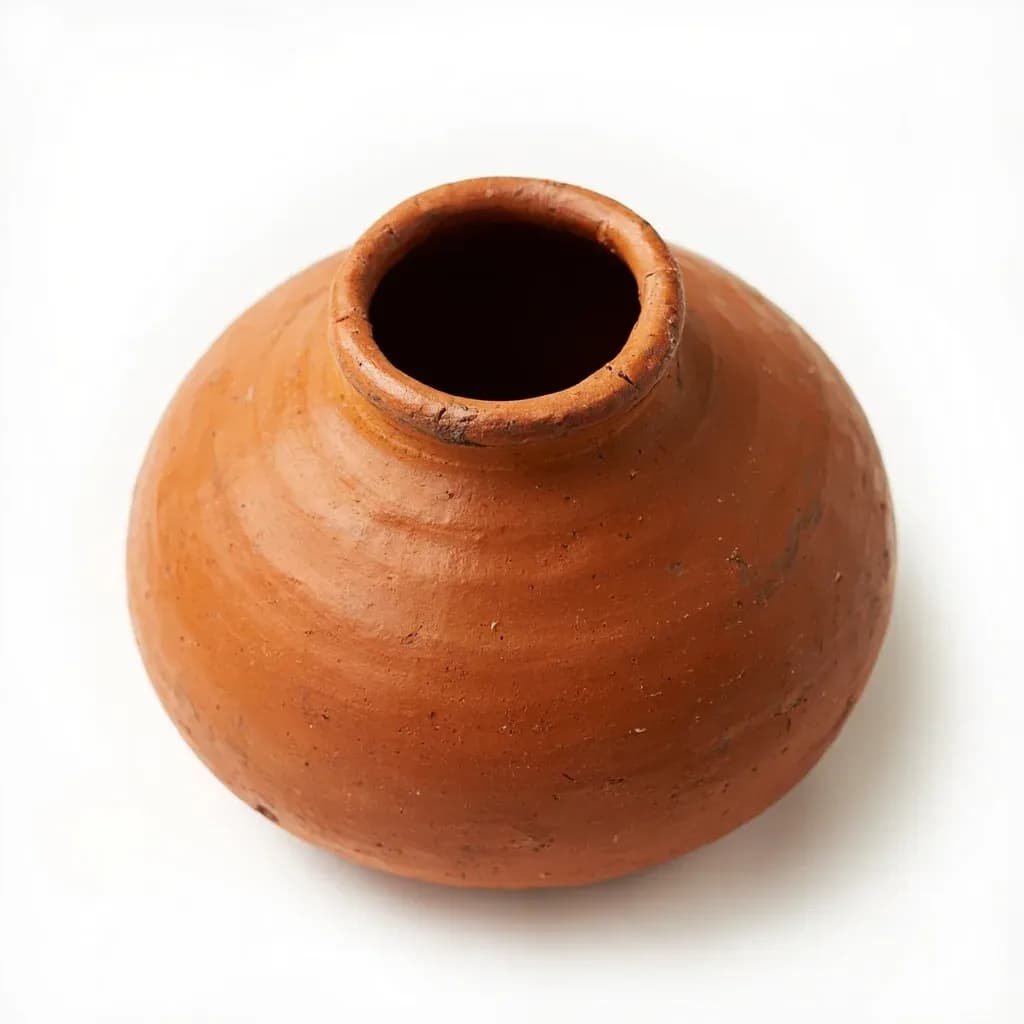
A nixtamal cooking pot, often a tall clay or stainless olla, is used to simmer dried field corn with cal (slaked lime) in the nixtamalization process. The alkaline cook softens the kernels, loosens their hulls, and unlocks nutrients and flavor so the corn can be ground into masa. A non-reactive or traditional clay pot is preferred because the lime solution is caustic.
The nixtamal cooking pot — olla de nixtamal — is a wide, heavy vessel built for one specific job: the long alkaline simmer that turns dried field corn into nixtamal, the precursor to fresh masa. Without this cook, cornmeal cannot bind into a pliable dough and a meaningful share of the grain's niacin stays locked inside the hull. The vessel matters because the cook is long, the liquid is caustic, and the grains nearly double in volume: you need something heavy, wide, non-reactive, and large enough to leave headroom for foam and swelling.
Traditional versions are hand-thrown clay (olla de barro) from pottery regions such as Tlaquepaque, Oaxaca, and Michoacán, prized for thick walls and an even simmer. Modern home cooks usually reach for a 16–20 qt stainless steel stockpot; commercial tortillerías run 80–200 L aluminum or food-grade plastic vats. Across all of them the shape stays wide-mouthed and rounded so a wooden paddle can sweep the bottom without scorching and so the pericarp foam that rises during the cook can be skimmed cleanly.
What separates a real olla from any stockpot is three practical traits: a heavy bottom that resists scorching over a 30–90 minute simmer, a non-reactive interior that won't pit or leach in calcium hydroxide, and enough capacity to hold the swollen batch plus its liquor without boiling over. Get those right and the pot will quietly do its job for decades.
Alternatives
Types & varieties
Hand-thrown burnished clay from Tlaquepaque, Oaxaca, or Michoacán; prized for even heat and tradition; should be unglazed or only lime-sealed
The standard in tortillerías and markets; lightweight and conducts heat fast, but lime darkens the surface and slowly reacts with it
The practical home choice; durable, non-reactive, and easy to rinse clean after an alkaline cook
Works well with a heavy bottom that resists scorching; inspect for chips that expose iron underneath
Used in some commercial operations because calcium hydroxide does not corrode polyethylene
Traditional in older Mexican kitchens for beautifully even heat; expensive and rarely made today
What Happens Inside the Pot
The alkaline cook is doing real chemical work, not just softening the kernels. Calcium hydroxide raises the cooking water to a pH near 12, which loosens the pericarp (the thin outer hull), frees bound niacin, and reacts with hemicellulose in the endosperm to produce masa's characteristic earthy, almost cornbread-like aroma. The grain absorbs water steadily through the simmer, then continues to take up moisture during the overnight steep. By morning the pericarp slips off cleanly when pinched, the interior is chalky-yellow rather than floury-white, and the nixtamal is ready to drain, rinse, and grind.
Caring for a Clay Olla
A traditional olla de barro is unglazed and porous, which is what gives it that gentle, even heat — and what makes it unforgiving of modern cleaners. Soap is absorbed into the walls and will flavor future cooks, so the pot is never soaped. It is seasoned before first use with a plain lime-water simmer (the same cal and water you would use for nixtamal, with no corn), then rinsed and air-dried. Between batches it is scrubbed with hot water and a stiff brush or a smooth stone, dried in the sun, and stored uncovered so residual moisture can escape and the walls do not crack.
Common uses
Tips & pitfalls
- Use only food-grade calcium hydroxide labeled cal apagada or cal nixtamalera; builder's lime and quicklime contain impurities and will burn skin and ruin the masa.
- Keep the ratio near 1 kg dried corn : 3 L water : 10–30 g cal for reliable alkalinity — too little cal and the pericarp won't release, too much and the masa tastes bitter and soapy.
- Fill the pot no more than ⅔ full. Kernels roughly double in volume and the liquid foams noticeably as it heats, so headroom prevents a messy boilover.
- Skim the floating pericarp (cascarilla) with a fine mesh skimmer or wooden spatula once the simmer begins; that foam is where the bitter, astringent flavor lives.
- Test doneness by pinching a kernel between thumbnail and finger: the pericarp should slip off cleanly and the interior should look chalky-yellow, not floury white.
- Let the nixtamal rest (reposado) in the cooling liquid 8–24 hours for plumper, easier-to-peel grains and a masa that hydrates more evenly at the mill.
- Rinse in several changes of water until the runoff is clear — residual cal makes masa taste sharp, metallic, and slightly chalky on the tongue.
- Stainless steel and enameled cast iron are the safest materials for long alkaline cooks; if you must use aluminum, accept the darker patina and do not store the cooked nixtamal in it overnight.
Good to know
- Also called
- Olla de nixtamal, olla para nixtamalizar, nixcomal olla
- Typical capacity
- 15–40 L (16–42 qt) for home use; 80–200 L in commercial tortillerías
- Cook and steep
- 30–90 minutes simmer, then 8–24 hour off-heat steep (reposado) in the same liquid
- Volume change
- Kernels swell 1.5–2× their dry size, so the pot is filled no more than ⅔ to ¾
- Traditional material
- Burnished red or brown clay (barro) from Mexican pottery regions; modern versions are aluminum or stainless steel
- Recommended cookware
- Stainless steel, enameled cast iron, or food-grade polyethylene; bare aluminum and pure copper are generally avoided
- Byproduct
- Nejayote — the strained cooking liquid, used in classic soups or as a hair-thickening rinse in folk tradition
- Origin
- Mesoamerica (central Mexican plateau, c. 1500 BCE–500 BCE), tied to the nixtamalization process
Also called
Olla · Nixtamal Olla · Corn Cooking Pot
Related

Steamer
Gentle moist heat that keeps vegetables, fish, and dumplings tender

Frying Pan
Shallow sloped pan for frying, sautéing, and quick sears

Saucepan
Tall, straight-sided pot for sauces, grains, and small batches

Sauté Pan
Wide straight-sided pan with room to brown and braise

Dutch Oven
Heavy lidded pot that turns tough cuts tender over hours

Stock Pot
Tall, roomy pot for stocks, pasta, and big-batch cooking

Wok
High-sided bowl pan built for blistering-hot stir-fries

Griddle
Flat, broad surface for pancakes, smash burgers, and breakfast