Prep Tools
Oil Mop (Cloth Basting Mop)
A small mop with cotton strands for swabbing oil or sauce onto griddles, grills, and meats.
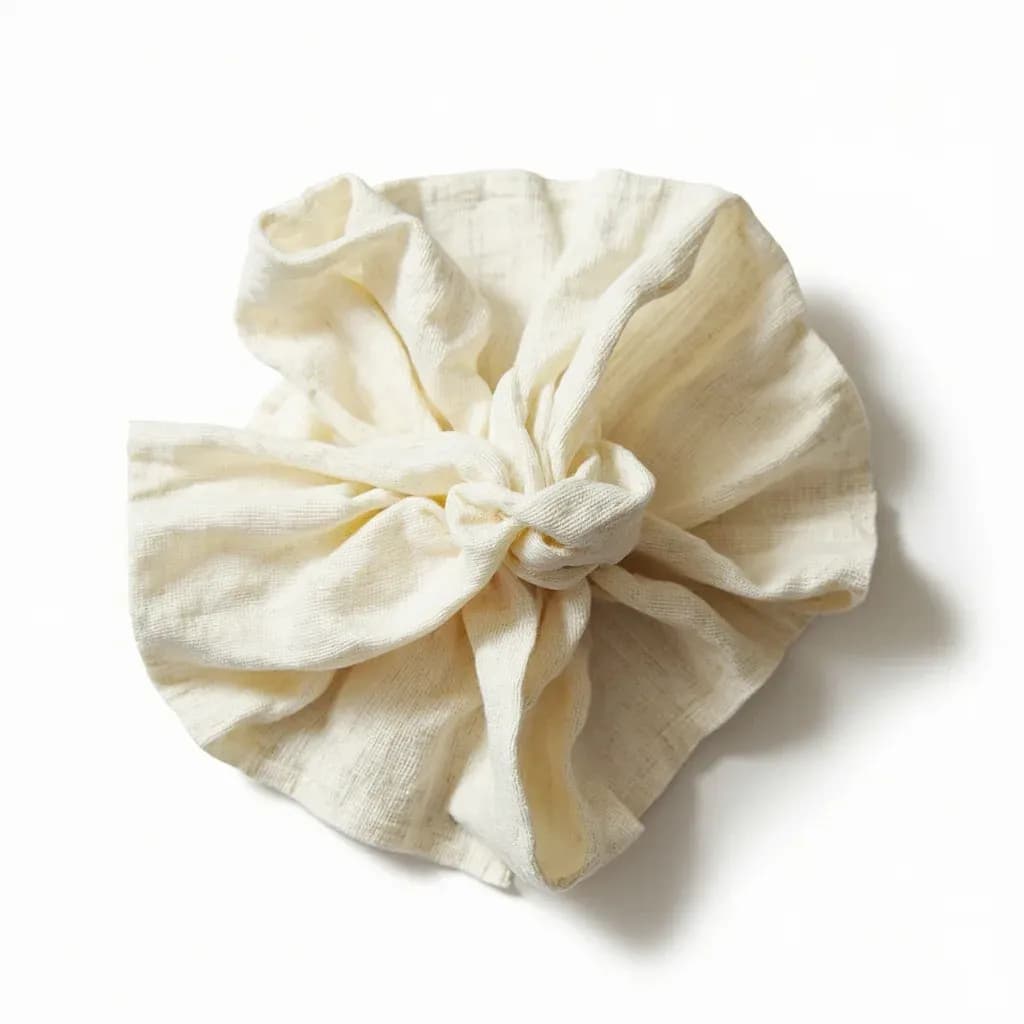
An oil mop, or basting mop, is a short-handled tool with absorbent cotton-yarn strands used to swab a thin film of oil onto a griddle or to baste large cuts of meat with marinade and mop sauce. The loose strands hold and spread liquid better than a brush and reach into crevices. The cloth head is usually removable for washing after each use.
A basting mop is a small, hand-held applicator — essentially a miniature mop — built for swabbing a thin, even layer of liquid fat, sauce, or glaze onto food or cooking surfaces. The classic barbecue version is a tuft of cotton strands bound to a wooden handle, dipped into a bowl of mop sauce and dragged across brisket, ribs, or pork shoulder during low-and-slow smoking. Smaller, short-handled versions do the same job on a flat-top griddle or crepe pan, where they lay down a fine film of oil more evenly than a brush and with less waste than a spray bottle.
Cotton became the default head material because it holds a surprising amount of liquid and releases it gently, but the strands shed, harbor residue, and are awkward to fully sanitize — which is why silicone has largely replaced cotton in professional kitchens, while boar-bristle versions remain a smaller alternative for cooks who want the thinnest, most even film. Regardless of head, the technique is the same: dip, lightly squeeze, and drag. Pressing too hard or mopping too early will knock seasoning off the meat and prevent a proper bark from setting, so the tool rewards a light hand and good timing as much as it rewards having the right sauce.
Beyond barbecue, the griddle-sized mop is a quietly capable kitchen tool — useful for oiling cast iron, glazing pastry, buttering a turkey, or finishing a pizza — and a single 6-inch silicone mop in the drawer covers most of those jobs in a modern home kitchen.
Alternatives
Types & varieties
The classic: replaceable cotton-strand head, wooden handle, the standard for mop sauce on brisket, ribs, and pork shoulder.
Thicker, denser head that holds more liquid per dip, favored for big cuts and competition cooks.
Silicone strands instead of cotton; easier to sanitize, dishwasher-safe, and won't shed fibers into the food.
Natural-bristle head that lays down thinner, more even coats — well suited to dry oiling and delicate glazes.
Small head, short handle, designed for swabbing oil or butter on flat-top griddles and crepe pans.
Extra-long handle (24–30 in) for reaching into offset-smoker chambers without lifting the lid.
Compact 6-in tool for kitchen tasks like oiling sheet pans, glazing pastry, or basting small roasts.
Mop sauce, bark, and timing
The word 'mopping' in barbecue refers to repeatedly swabbing meat with a thin, flavorful liquid during a long cook, and the timing matters as much as the sauce. Pitmasters generally wait until the bark has set — usually after the first hour or two of smoke — before the first pass. Mopping too early dissolves the rub, softens the crust, and lengthens the time it takes to develop the dark, chewy exterior that defines good brisket and ribs. Once the bark is established, mopping every 45–60 minutes adds flavor and moisture without undoing that work. Dip, give the head a gentle squeeze to remove excess, then drag the mop across the meat in one light pass — never press or scrub.
- Wait for the bark to set (usually 1–2 hours into the cook) before the first mop.
- Mop every 45–60 minutes thereafter; more frequent passes cool the surface and slow the cook.
- Use a thin sauce — too much sugar or thickness will burn onto the meat and onto the mop head.
- Long-handle mops let you mop across an offset smoker without lifting the lid and losing heat.
Cotton vs. silicone vs. boar
There is no single 'best' head material; each suits a different job. Cotton is the traditionalist's choice and still the standard in competition BBQ, but it sheds, absorbs flavor, and is hard to fully clean, so most home cooks are better served by silicone. Silicone mops are non-reactive, dishwasher-safe, and tolerate sugar-heavy sauces that would otherwise caramelize into cotton. Boar-bristle heads are a third option, laying down the thinnest, most even film and working especially well for dry oiling on a griddle or for delicate glazes where shedding would be visible.
- Choose cotton for traditional low-and-slow BBQ with thin, vinegar-based mop sauces.
- Choose silicone for sweet or sugary glazes, shared kitchens, and dishwasher cleanup.
- Choose boar-bristle when you want the finest, most even film of oil on a griddle or pan.
- Replace cotton heads when they shed, smell sour after washing, or stop holding liquid evenly.
Common uses
Tips & pitfalls
- Dab and drag lightly rather than pressing; aggressive mopping knocks off rub and bark and cools the surface.
- Keep a second clean mop reserved for sauces you don't want to cross-contaminate — for example, one for vinegar-based mop sauce and one for sweet glazes.
- Don't overload the head — squeeze out excess so the liquid wipes on, rather than drips and causes flare-ups on a hot grill.
- For griddles, dip the mop in a small pool of oil off to the side of the cooking surface, then swipe; never pool oil directly on a hot griddle.
- Hand-wash cotton heads in hot soapy water, rinse well, and hang to dry completely — a splash of white vinegar in the rinse helps prevent mildew and sour smell.
- Replace cotton heads when they start shedding strands, smell sour even after washing, or no longer hold liquid evenly.
- Silicone mops are the better choice for sweet, sugary sauces, because sugar-soaked cotton burns onto the head and is hard to clean.
- Never leave a soaked cotton mop near an open flame or on a hot grill lid — it can scorch or ignite.
Good to know
- Also called
- Basting mop, sauce mop, BBQ mop, griddle mop
- Typical head material
- Cotton strands (traditional); silicone and boar-bristle versions also exist
- Head sizes
- Small (2–3 in / 5–7.5 cm) for griddles and pans; large (4–6 in / 10–15 cm) for full racks of ribs and brisket
- Handle lengths
- Roughly 6 in (15 cm) for kitchen work up to 24–30 in (60–75 cm) for reaching across an offset smoker
- Origin
- American barbecue tradition; widespread in competition and Southern BBQ by the late 20th century
- Paired tradition
- Usually sold and used with a thin, vinegar- or broth-based 'mop sauce' applied during long cooks
- Replaceable parts
- Cotton heads are typically screw-on and sold as refills; silicone heads are usually fixed and dishwasher-safe
- Heat tolerance
- Cotton tolerates hot liquid and steam but should not contact open flame; silicone handles higher direct heat
Also called
Basting Mop · BBQ Mop · Cloth Basting Mop · Sauce Mop
Related

Peeler
Swift blade for stripping skin off fruit and vegetables

Grater
Sharp-toothed surface for shredding cheese and vegetables

Microplane
Ultra-fine rasp for citrus zest, garlic, and hard cheese

Mixing Bowl
All-purpose bowl for combining, whisking, and tossing

Whisk
Looped wires that beat air into eggs, cream, and sauces

Spatula
Flat blade for flipping, lifting, and scraping

Slotted Spoon
Pierced spoon that lifts solids and drains the liquid behind

Wooden Spoon
Gentle, heat-friendly spoon for stirring anything