Prep Tools
Olive Oil Cruet (Oliera)
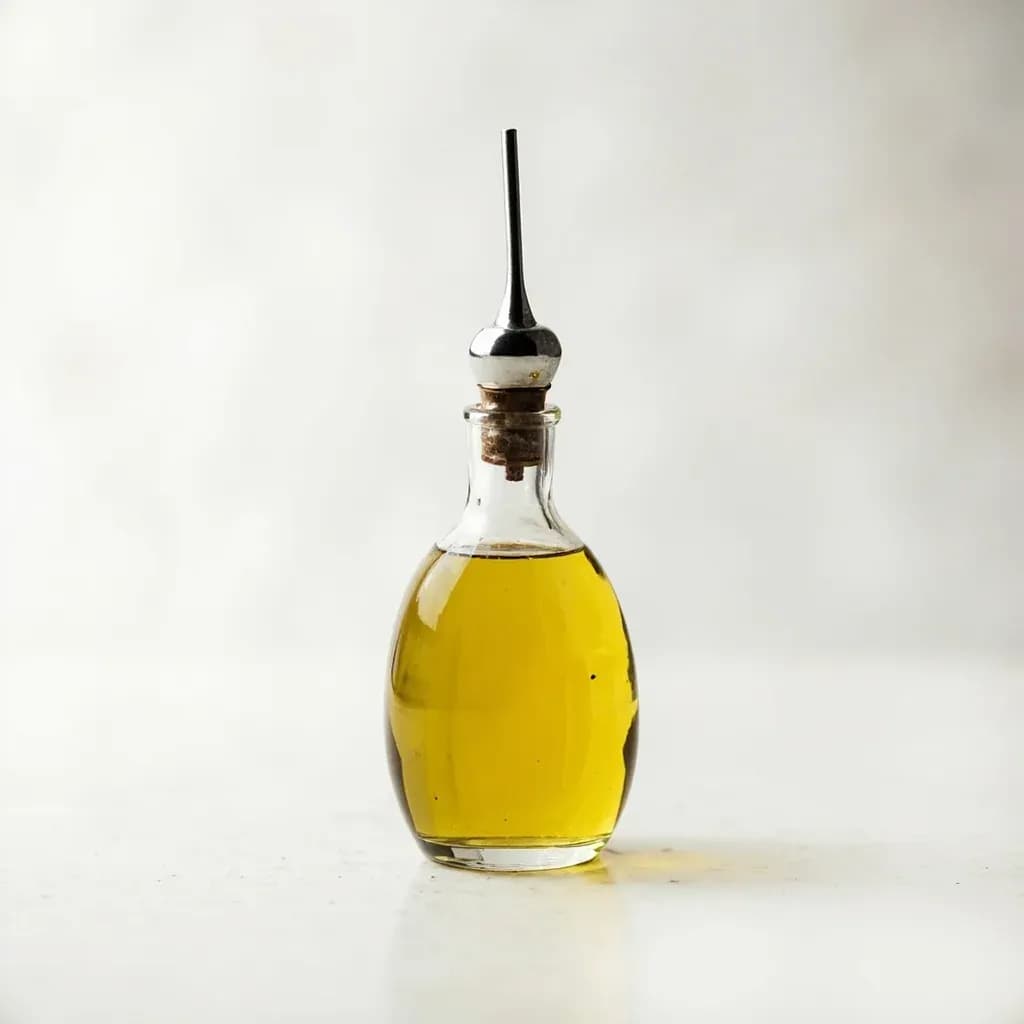
A spouted bottle that pours and drizzles olive oil in a controlled stream at the table or stove.
An olive oil cruet, or oliera, is a glass or metal bottle with a narrow drip-free spout for drizzling oil over dishes, salads and bread. A non-drip pourer keeps the rim clean and lets the cook control a thin stream for finishing. Many have a second cruet for vinegar, forming a classic oil-and-vinegar set.
An olive oil cruet — the Italian oliera, plural oliere — is a small service bottle built to dispense olive oil in a controlled pour, whether at the table as a finishing vessel or at the stove for measured drizzling into a pan. The form is older than the modern kitchen: Italians have long set matched pairs of oil and vinegar bottles (an oliera and acetiera) on the dining table so guests can dress their own bread, salad, and pinzimonio. What distinguishes a cruet from any other bottle is its spout geometry. A free-pour spout delivers a steady stream for cooking; a narrow drip spout lays down oil a drop at a time, the way you want it over a plate of carpaccio, a bowl of ribollita, or a slab of toasted bread rubbed with tomato. The vessel's body matters almost as much as the spout: glass is standard, but tinted or opaque ceramic and dark glass protect delicate, fresh-pressed oils from the light-driven oxidation that turns peppery oil flat and greasy within days.
The cruet is a service tool, not a storage vessel. Olive oil left sitting in a partly empty, repeatedly opened bottle degrades faster than the same oil in a sealed tin or dark original bottle, so the best practice is to refill only what you will use in a few days and to keep the rest of the oil in its proper container. Material choice follows the same logic. Clear glass shows off a green-gold oil beautifully but offers no light protection; tinted or dark glass and ceramic buy time for fresh oils without forcing the bottle into a cupboard between uses. Stoppers — cork, glass ground-stopper, hinged metal cap, silicone grommet — matter because a loose seal lets oxygen in and aroma out, and a cork soaked through with oil becomes a flavor liability within a season of daily use.
Alternatives
Types & varieties
Paired oil and vinegar cruets in a stand; glass with cork or glass stopper; the traditional table-presentation form
Standalone bottle for one oil; common when only oil is served or when a matching vinegar cruet is supplied separately
Very narrow spout that delivers oil a drop at a time; favored for finishing salads, bread, carpaccio, and soups where control matters
Built-in flap or spring cap that closes after pouring to prevent runs down the neck
Molded body with a thumb-press top that meters each drizzle; popular in modern home kitchens and for one-handed use
Decorative Venetian glass; collectible as well as functional; often part of a larger oliera set
Opaque body that fully blocks light; traditional in rustic Italian and Spanish tables; keeps oil cooler than glass
Decorative heirloom-style vessel; usually has a glass or stainless liner for food contact
Amber or green glass that protects fresh, peppery, or early-harvest oils from light degradation
Choosing the Right Spout
Spout shape controls more than flow rate — it shapes how the oil lands on the food and how confidently you can plate. The narrow drip spout is the right call for any finishing use: a final pass over a green salad, a few drops into a bowl of soup, oil on bruschetta. The free-pour spout is the right call at the stove, where you want a steady thread into a hot pan for sautéing garlic or greasing a pan for eggs. Squeeze-top cruets are the practical compromise for cooks who want one-handed operation; the metered drizzle is more predictable than a free pour, though it can feel fussy when you need more than a tablespoon at a time. A practical kitchen often holds two: a drip-spout for the table, a wider-spout bottle for the stove.
- Drip spout: finishing, garnishing, controlled plating
- Free-pour spout: cooking, pan-dressing, larger volumes
- Squeeze top: one-handed use, predictable small doses, accessible for limited grip strength
- Hinged anti-drip cap: clean neck, no drips onto a tablecloth — useful in formal service
Material and Light Protection
Olive oil's enemies after the bottle is opened are oxygen, heat, and light, in that order. A cruet sitting on a sunny table or under a kitchen pendant light is, hour by hour, going stale — the chlorophyll and polyphenols that give a fresh oil its grassy, peppery character break down into the waxy, crayon-like notes of a tired oil. Tinted dark glass (amber, green, smoke) and fully opaque ceramic meaningfully slow this. Clear glass is acceptable for an everyday robust oil that will be used within a few days; it is the wrong choice for a fresh, early-harvest, or single-estate oil you are serving as the point of the meal.
- Clear glass: pretty, but only for robust oils used within days
- Tinted glass: best general-purpose choice for fresh or finishing oils
- Ceramic / terracotta: best light protection, cooler to the touch, traditional Mediterranean look
- Pewter / silver-plated: decorative; check for a glass or stainless food-safe liner
Care and Longevity
Hand-wash every cruet, even if the label says dishwasher safe. Detergent film builds up on the inside of the spout and the body over repeated cycles, and that film changes the way oil flows and dulls the pour control a drip spout depends on. Dry the bottle fully before refilling; trapped water under a cork or ground-glass stopper will spoil the next fill in days, with cloudy oil and a sour edge. Cork stoppers in daily use are consumables: replace them every few months, because an oil-soaked cork degrades, swells, and eventually taints the bottle's contents with cork flavor.
- Hand-wash with warm water and a narrow bottle brush; rinse well
- Air-dry upside down so the spout and stopper seat both drain
- Replace cork stoppers every few months under daily use
- Run a thin skewer or warm-water rinse through a clogged drip spout; do not force it with a wire
Common uses
Tips & pitfalls
- Choose tinted or opaque glass if you serve delicate or early-harvest oils; clear glass in sunlight accelerates rancidity within days
- Use a drip-spout cruet for finishing oils and a wider pour-spout for everyday cooking oil — they are different jobs and benefit from different bottles
- Hand-wash cruets and let them dry fully; trapped water under the stopper spoils the next fill with cloudy, off-flavor oil
- Replace cork stoppers every few months if you use them daily — oil-soaked corks degrade and leach cork flavor into the oil
- Refill only what you will use in a few days; oil in a partly empty, repeatedly opened cruet goes stale faster than oil in a sealed tin or original bottle
- If switching between a robust and a delicate oil, wash the cruet thoroughly — residual flavor carryover is real with glass, ceramic, and especially cork
- Avoid the dishwasher for olive-oil cruets over time; detergent film coats the inside, dulls pour control, and can leave a waxy taste in the next fill
- Keep the spout clear of solidified oil; a thin skewer or warm-water rinse restores flow if a drip spout clogs — never use a wire that can scratch the opening
- Store the cruet away from the stovetop and windowsill; heat and light are the two biggest enemies of olive oil once it has been poured
- Do not store in the refrigerator — condensation inside the vessel introduces water and accelerates spoilage, and cold mutes the aromatics you want to taste
Good to know
- Italian Name
- Oliera (singular); oliere (plural); the matching vinegar vessel is the acetiera
- Purpose
- Table- and stove-side dispensing of olive oil in a controlled pour or drizzle
- Typical Capacity
- 6–12 fl oz (180–350 ml) per bottle; smaller cruets for finishing oils, larger for everyday cooking oil
- Common Materials
- Glass (clear, tinted, or Murano-style), ceramic/terracotta, pewter, stainless steel, food-grade plastic
- Spout Styles
- Open pour spout (free flow), narrow drip spout (controlled stream), hinged anti-drip spout, squeeze-bulb or piston top
- Stopper Types
- Cork, glass ground-stopper, hinged metal cap, threaded plastic cap, silicone grommet
- Configuration
- Most often sold as a matched pair — oil cruet and vinegar cruet — held in a wire, wooden, or metal stand
- Light Sensitivity
- Clear glass exposes oil to light and accelerates oxidation; tinted or dark glass is preferred for delicate or fresh-pressed oils
- Care
- Hand-wash recommended; many decorative metal versions (pewter, silver-plated) are not dishwasher safe
- Not For
- Long-term storage — cruets are service vessels; rancidity and flavor contamination are risks if oil is left in them for weeks
Also called
Oliera · Oil Cruet · Oil Drizzler · Olive Oil Dispenser
Related

Peeler
Swift blade for stripping skin off fruit and vegetables

Grater
Sharp-toothed surface for shredding cheese and vegetables

Microplane
Ultra-fine rasp for citrus zest, garlic, and hard cheese

Mixing Bowl
All-purpose bowl for combining, whisking, and tossing

Whisk
Looped wires that beat air into eggs, cream, and sauces

Spatula
Flat blade for flipping, lifting, and scraping

Slotted Spoon
Pierced spoon that lifts solids and drains the liquid behind

Wooden Spoon
Gentle, heat-friendly spoon for stirring anything