Prep Tools
Copita Sherry Glass
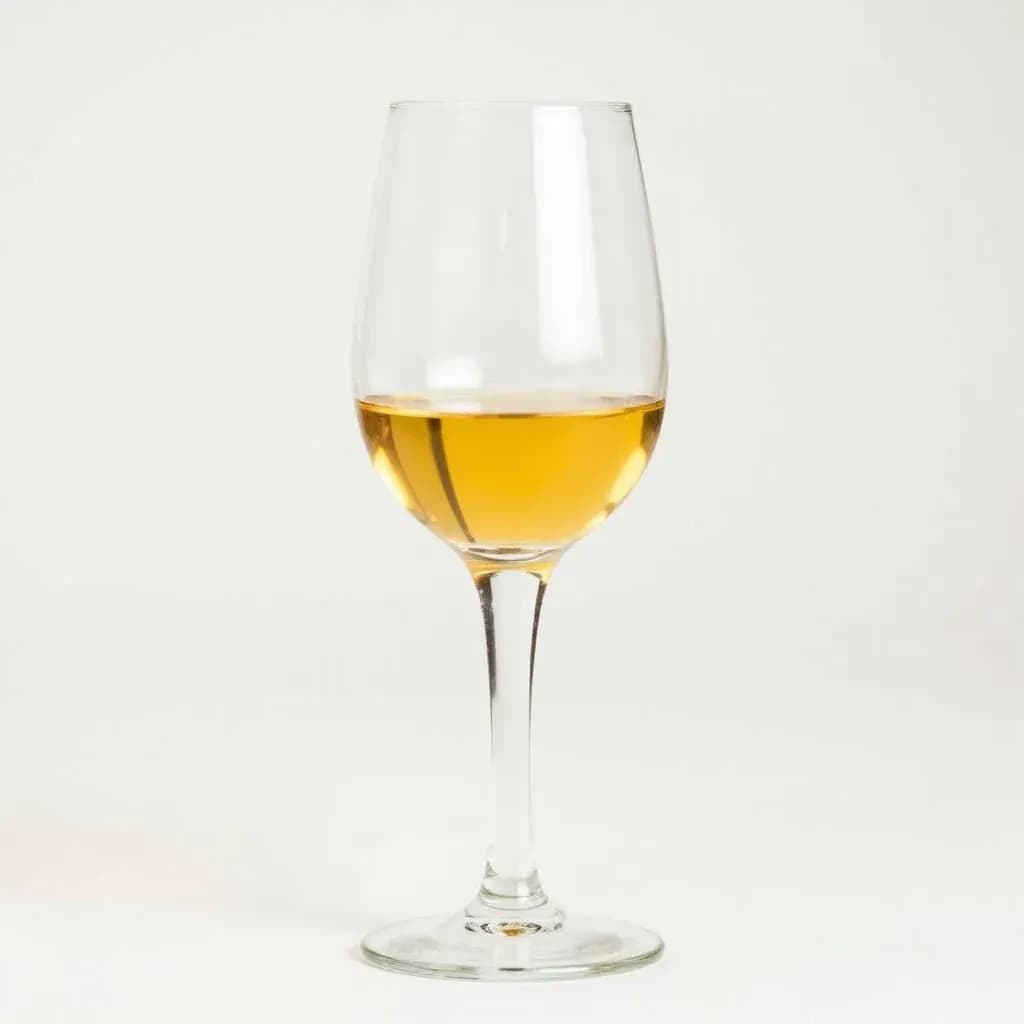
A small tulip-shaped tasting glass traditional for serving and nosing sherry.
A copita is a slender, tulip-shaped stemmed glass used to serve sherry and other fortified wines. Its narrowing rim concentrates aromas for tasting while the modest bowl holds a small, proper measure. In sherry country it is the classic vessel for fino and manzanilla, though it doubles well for tasting any aromatic wine or spirit.
The copita is the small, tulip-shaped, clear-stemmed tasting glass that has long been standard in the sherry bodegas of the Jerez Triangle, and it remains the vessel of choice for anyone serious about drinking fino, manzanilla, amontillado, oloroso, palo cortado, or PX. Its defining feature is a narrow, slightly flared rim that funnels volatile aromatics toward the nose, allowing the drinker to pick out the layered notes — yeasty bread crust, chamomile, dried orange peel, walnut, caramelized fig — that define each sherry style.
Unlike a standard wine glass, the copita is intentionally small. A proper tasting pour is only 30–60 ml, never more than a third of the bowl, and the empty space above the liquid is what lets the aromas collect and concentrate. The stem is functional rather than ornamental: fino and manzanilla are served cool, around 7–9 °C, and any warmth from the hand on the bowl will mute the flor-driven freshness and flatten the nose.
While the copita is occasionally pressed into service for vermouth, Madeira, or a small digestif, it is not the right glass for port, which uses a different, narrower tulip; nor for sparkling wines, which belong in a flute; nor for espresso, which is smaller and served in an unstemmed cup. For sherry specifically, the copita remains the reference standard — the Consejo Regulador del Jerez uses a uniform version for official panel tastings precisely because the shape controls aroma delivery.
Alternatives
Types & varieties
The traditional tulip-shaped, clear, stemmed tasting glass used in Jerez bodegas
Uniform tulip form specified for official sherry competitions and panel tastings
Smaller, often metal or simple glass cup used by bodega workers for quick in-situ sampling; rustic predecessor of the glass copita
Universal tasting glass from 1960s–70s research (INRA/OIV lineage); egg-shaped with shorter stem, ~215 ml — often confused with the copita but a separate form
Riedel, Schott Zwiesel, Spiegelau, and others produce sherry- or fortified-specific glasses inspired by the copita silhouette
Why the Shape Matters
The copita is a tool engineered for a specific job: reading sherry. Three features do the work, and each one is worth understanding before you pour.
- The narrow, flared rim acts as an aroma funnel, channeling volatile esters and aldehydes toward the nose — critical for oxidative styles like oloroso and amontillado, where the aromatics are subtle and easily lost in a wide bowl.
- The tulip body holds the liquid in a small pool, increasing the surface-area-to-volume ratio and helping the wine open up with a gentle swirl rather than aggressive sloshing.
- The clear, unadorned crystal lets the drinker read color and viscosity — a sherry's hue, from pale straw fino to nearly black PX, is a legitimate clue to style and age, and tinted or etched glass ruins that read.
Serving Temperature by Style
One of the most common mistakes with sherry is serving it all straight from the fridge. The copita is small enough that a few minutes in the hand will warm the pour, so temperature discipline starts at the bottle and ends at the glass.
- Fino and manzanilla: serve chilled at 7–9 °C (45–48 °F); these are biologically active wines under flor and need the cold to keep that nervy freshness.
- Amontillado and palo cortado: cellar temperature, 14–16 °C (57–61 °F); too cold and the oxidative complexity stays shut down.
- Oloroso: 12–14 °C (54–57 °F); richer and more full-bodied, but still benefits from a slight chill to keep the alcohol from dominating.
- PX and moscatel: 12–14 °C, sometimes a touch cooler; their sweetness reads as cloying when too warm.
Common uses
Tips & pitfalls
- Hold the glass by the stem only — wrapping the bowl warms the sherry and clouds the surface for color reading
- Pour no more than one-third full (roughly 30–60 ml); the empty space above the liquid is what concentrates aroma at the rim
- Match the sherry style to its proper serving temperature rather than serving everything cold
- Tilt the glass against a white background — napkin, plate, or tasting mat — to assess color, viscosity, and clarity before nosing
- Sniff with short, gentle inhalations; sherry aromatics are delicate and easily overwhelmed by vigorous swirling or hard sniffs
- Let amontillado, oloroso, and palo cortado warm in the glass for several minutes before nosing; very old vintages can be briefly re-chilled if they open too fast
- Rinse with cool water between styles and avoid scented detergent residue, which distorts aroma in the narrow rim
- Store upright, not on the rim — the thin lip is fragile and the shape traps dust if inverted
Good to know
- Origin
- Andalusia, Spain; the standard tasting glass in the bodegas of Jerez de la Frontera, El Puerto de Santa María, and Sanlúcar de Barrameda
- Etymology
- From Spanish 'copita,' diminutive of 'copa' (cup or goblet)
- Shape
- Tulip-shaped bowl tapering to a narrow, slightly flared rim; long stem with a flat round foot
- Material
- Thin, clear, lead-free glass or crystal; unadorned and colorless so color and clarity can be read
- Typical Capacity
- Roughly 90–190 ml total; tasting pours are 30–60 ml (1–2 oz), no more than one-third full
- Stem Function
- Functional — sherry is served cool and must not be warmed by the hand on the bowl
- Tasting Temperature Range
- Fino and manzanilla 7–9 °C; amontillado and palo cortado 14–16 °C; oloroso 12–14 °C; PX and moscatel 12–14 °C
- Distinguished From
- Not the ISO tasting glass (shorter stem, egg-shaped bowl, ~215 ml) and not a port glass (narrower, no flare)
Also called
copita · sherry glass · catavinos
Related

Peeler
Swift blade for stripping skin off fruit and vegetables

Grater
Sharp-toothed surface for shredding cheese and vegetables

Microplane
Ultra-fine rasp for citrus zest, garlic, and hard cheese

Mixing Bowl
All-purpose bowl for combining, whisking, and tossing

Whisk
Looped wires that beat air into eggs, cream, and sauces

Spatula
Flat blade for flipping, lifting, and scraping

Slotted Spoon
Pierced spoon that lifts solids and drains the liquid behind

Wooden Spoon
Gentle, heat-friendly spoon for stirring anything