Prep Tools
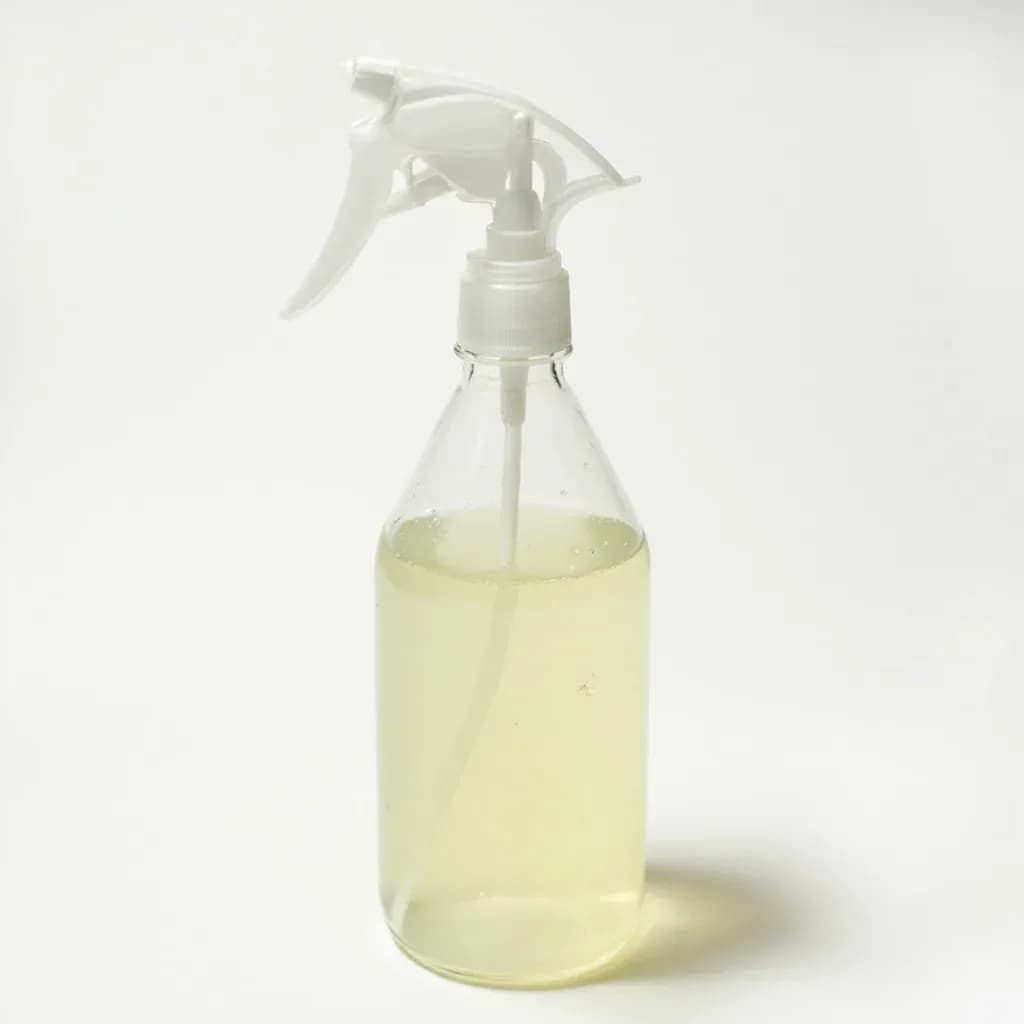
Spray / Spritz Bottle
Squeeze or trigger bottle that mists water, oil, or vinegar in a fine even spray.
A spray bottle delivers liquid as a fine mist, giving cooks even, light coverage that pouring can't. In the kitchen it mists oil onto pans and air-fryer baskets, sprays water onto a hot griddle for steam, hydrates dough surfaces, or spritzes vinegar and brines. The fine spray means a little liquid goes a long way without pooling.
A spray bottle — sometimes called a spritz or mist bottle — is a handheld dispenser that breaks a liquid into a fine airborne cloud rather than pouring it. The mechanism is straightforward: a dip tube draws liquid from the reservoir, a pump or trigger builds pressure, and a small nozzle with a swirl chamber or fine aperture shears the stream into droplets. The result is control that brushing, drizzling, or pouring simply cannot match, because coverage is measured in microns of droplet size and fractions of a gram per stroke rather than spoonfuls. In a serious kitchen, that control translates to crispier crusts, glossier herbs, slower bark on smoked meat, and plating finishes that look deliberate.
The feel of a sprayer depends entirely on the mechanism. A basic trigger sprayer (the kind sold for household cleaners) produces a coarse, intermittent squirt of about 0.5–1.4 ml per pull, with droplets in the 200–500 µm range — useful for general cooking tasks. A continuous-mist piston pump, by contrast, pressurizes the bottle to 3–5 bar and releases a softer, longer plume of 50–150 µm droplets that lands more like fog than rain. Finger-pump atomizers sit at the fine end of the spectrum, misting like a perfume bottle, which is why pastry cooks reach for them when they want to dampen phyllo without soaking it.
Pairing the right bottle with the right liquid matters as much as choosing the liquid itself. Oils, vinegars, and water all behave differently inside the nozzle, and a sprayer that works beautifully for one will clog, corrode, or pick up off-flavors from another. Knowing which plastic, glass, or aluminum body to pair with which filling is what separates a sprayer that lives in the door of the fridge for years from one that ends up in the trash after a month.
Alternatives
Types & varieties
Lever-squeeze bottle producing a coarse, intermittent spray. The classic general-purpose type, often repurposed from cleaning products — food-safe versions are widely available
Accumulates pressure and releases a longer, finer, even mist with one push; popular in BBQ, pastry, and plating
Small glass or plastic bottle with a screw-top pump that produces a perfume-like, very fine mist; used for finishing dishes and dampening pastry
Pressure is built up by pumping a top button, then the bottle sprays continuously until pressure drops; common for vinegar, oil, and water
Soda-lime glass body with plastic or metal spray top; preferred for acidic liquids and oils to avoid flavor transfer and plasticizer concerns
Lightweight, opaque (protects oil from light), non-reactive; the Misto line of refillable pump sprayers falls here
Disposable power-unit sprayer using a replaceable glass vial and propellant; used for browning agents, glazes, and food-grade shellac in pastry and BBQ
Large-capacity (1–5 L) pressurized tank sprayer; mostly for outdoor cooking and large-batch basting
Matching the bottle to the liquid
Not every sprayer plays well with every liquid, and pairing them wrong is the single biggest source of frustration. Oils, acids, and water all push the mechanism in different directions, and the reservoir material can quietly change the flavor of what is inside it.
- Refined oils (avocado, grapeseed, sunflower, safflower, canola, and dedicated "spray olive oil") spray cleanly because they leave little residue. Unfiltered extra-virgin olive oil, herb-infused oils, chili oil, and anything with sediment or emulsifiers will clog almost any nozzle within days.
- For vinegar, citrus, and other acids, use glass or HDPE. Prolonged storage in PET or polycarbonate can leach flavor compounds and, over time, degrade the plastic.
- Aluminum and dark glass are the best homes for oil because they block light, which is the main driver of rancidity. Clear plastic on a sunny countertop is the worst.
- A finger-pump atomizer is the right choice for pastry, plating, and any time you need a dry, almost-invisible mist; a continuous-mist sprayer is the workhorse for BBQ, roasting, and grill work; a basic trigger sprayer is fine for oiling pans and water.
- Never reuse a sprayer that held bleach, ammonia, degreaser, or any non-food chemical — even after a thorough wash, residue lingers in the seals and the dip tube.
Cleaning and keeping it spraying
A clogged sprayer is almost always a cleanable sprayer. The nozzle and the bottom of the dip tube are the two places that fail first, and both are easy to reach if you know the disassembly.
- Unscrew the cap, pull the dip tube out, and run warm water through it from both ends. Soak the nozzle and spring in a small cup of white vinegar or isopropyl alcohol for 10–15 minutes, then poke the aperture gently with a pin or fine skewer.
- Re-prime the bottle after cleaning by pumping several empty strokes before refilling; this expels loosened residue and seats the piston.
- If the spray sputters or arcs sideways, the dip tube is likely cracked at the cap or has pulled free. Trim 5 mm off the bottom for a clean seal, or shorten it so the end sits flat on the reservoir floor.
- A short tube in a tall bottle, or a coiled tube in a wide-mouthed jar, lets you spray the last 10–20 ml that would otherwise be stranded.
- Store oil-filled sprayers away from direct light, and let all sprayers dry fully between refills to prevent biofilm growth at the nozzle.
Common uses
Tips & pitfalls
- Dedicate one bottle to oil and another to water and vinegar — cross-use is the leading cause of clogging and off-flavors
- Choose a refined or "spray-grade" oil; standard extra-virgin olive oil leaves waxy residue that clogs the nozzle and gums up the tube
- Pull the dip tube and run it through with warm water weekly, then soak the nozzle in isopropanol; clogs almost always start at the tip
- Hold the nozzle 15–25 cm from the target; too close produces droplets and pooling instead of a mist
- Prime a new continuous-mist bottle by pumping a few empty strokes before first use so the first spray is fine rather than a coarse spurt
- If the spray sputters, the dip tube is likely cracked or detached — pull it out, trim 5 mm, and re-seat it on the reservoir floor
- Test spray on a paper towel to gauge droplet size and spread before applying to a finished dish
- If the trigger spring loses tension, the bottle still works — just pump it under the palm or transfer the head to a new bottle
Good to know
- Tool type
- Handheld pump- or trigger-action dispenser that atomizes liquid into a fine mist
- Common capacities
- 60 ml (atomizer) to 1 L (trigger sprayer); 250–500 ml is the home-kitchen norm
- Typical materials
- PET or HDPE plastic, soda-lime glass, anodized aluminum, stainless steel
- Mechanism types
- Trigger (squeeze-lever), continuous-mist (piston pump with accumulator), pump-to-pressure, finger-pump atomizer
- Trigger stroke yield
- A single trigger pull on a standard trigger sprayer dispenses roughly 0.5–1.4 ml of liquid
- Nozzle droplet size
- Continuous-mist nozzles typically produce 50–150 µm droplets; trigger sprayers 200–500 µm
- Reservoir pressure
- Continuous-mist sprayers typically pressurize to 3–5 bar before discharge
- Food-safe plastics
- BPA-free PET, HDPE, or Tritan; never repurpose a commercial cleaner bottle for food use
- Average cost
- USD $2–8 for plastic trigger bottles; $8–25 for glass or aluminum; $15–40 for continuous-mist
Also called
Spritz Spray Bottle · Water Spray Bottle · Griddle Water Bottle · Oil Mister
Related

Peeler
Swift blade for stripping skin off fruit and vegetables

Grater
Sharp-toothed surface for shredding cheese and vegetables

Microplane
Ultra-fine rasp for citrus zest, garlic, and hard cheese

Mixing Bowl
All-purpose bowl for combining, whisking, and tossing

Whisk
Looped wires that beat air into eggs, cream, and sauces

Spatula
Flat blade for flipping, lifting, and scraping

Slotted Spoon
Pierced spoon that lifts solids and drains the liquid behind

Wooden Spoon
Gentle, heat-friendly spoon for stirring anything