Prep Tools
Tortilla Warmer (Tortillero)
An insulated basket or container that keeps freshly made tortillas warm and pliable.
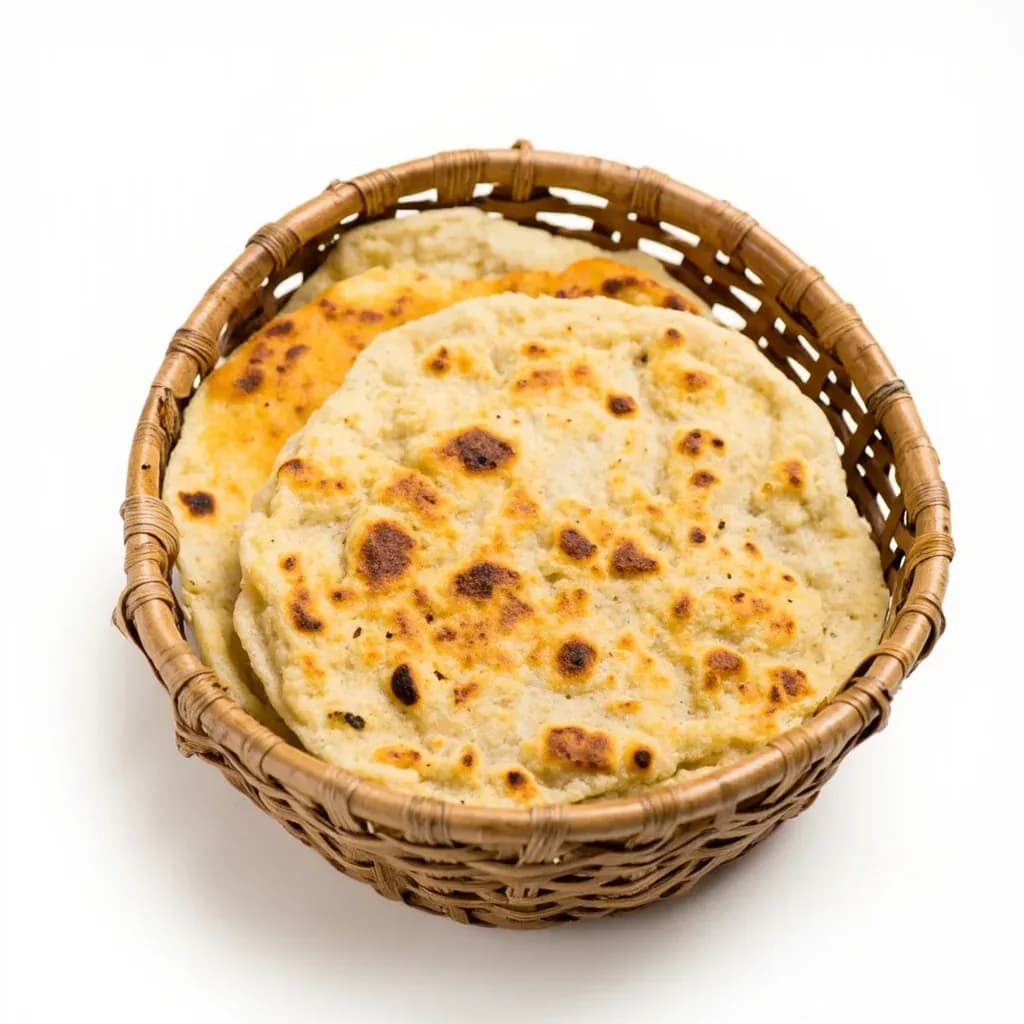
A tortilla warmer, or tortillero, is a lidded vessel made of woven palm, cloth, ceramic, or insulated plastic that holds a stack of tortillas to retain heat and moisture. Cooks place hot tortillas inside straight off the comal so they stay soft and steamy at the table through a meal. The trapped steam keeps them from drying out and turning brittle.
A tortillero is a passive insulated container — its only job is to slow heat and moisture loss after tortillas have been heated on a comal, skillet, or in the microwave. The principle is straightforward: stack freshly heated tortillas inside a sealed or partially sealed environment, and the trapped steam keeps them supple for 20 to 45 minutes depending on the insulation. Without one, even a beautiful stack of hot tortillas turns leathery and cold within minutes of leaving the heat, especially in dry climates or air-conditioned dining rooms.
What separates a good tortillero from a merely adequate one is how it manages moisture. The traditional Mexican clay version (tortillero de barro) is prized precisely because unglazed terracotta breathes — wicking excess condensation away from the tortillas while retaining warmth, so they stay soft without going gummy. Modern plastic versions trade that moisture regulation for convenience and dishwasher safety, which is why a paper towel or cloth napkin slipped between the lid and tortillas is often the difference between a perfect stack and a soggy one.
For home cooks who serve tortillas regularly, a dedicated warmer solves a recurring problem: keeping tortillas warm through an entire meal without constant reheating. With a pre-warmed tortillero waiting, the cook can finish other dishes and plate everything hot at once — closing the gap between how tortillas taste straight off the comal and how they taste after sitting out.
Alternatives
Types & varieties
The modern standard; lightweight, dishwasher-safe, often microwave safe. The most common type sold in U.S. stores.
Double-walled with foam filling for longer heat retention; popular for home use.
Traditional Mexican terracotta; provides gentle, even warmth and slight moisture regulation. Should be seasoned like other clay cookware before first use.
Woven palm or wire frame with a cotton or polyester liner; classic Mexican-market style, excellent at trapping steam and beautiful for table service.
Flexible, microwave- and freezer-safe, collapses for storage — useful in small kitchens.
Modern, durable, often with a tight-fitting lid; popular in restaurant kitchens for its longevity and easy sanitation.
Countertop unit with a heating element; used in taquerías and high-volume service where passive insulation isn't enough.
Choosing Between Clay and Plastic
The decision comes down to how often you cook with tortillas and how much you value moisture management over convenience. Both work; they just work differently.
- Clay tortilleros regulate moisture passively — unglazed terracotta absorbs excess steam and releases it slowly, so tortillas stay soft without becoming waterlogged. They're fragile, hand-wash only, and need seasoning before first use.
- Plastic snap-lid warmers are durable, dishwasher-safe, and often microwave-safe, but they trap every bit of steam. Crack the lid or add a paper towel to prevent sogginess, especially with flour tortillas.
- Foam-core double-walled plastic is the best plastic compromise — meaningfully better heat retention than single-wall models at a modest price premium.
- Woven baskets with cloth liners are visually beautiful at the table and excellent steam trappers, but the liners need regular washing and the baskets themselves should never go in the dishwasher. Cloth liners are almost always removable — check before assuming the whole basket is hand-wash only.
Common uses
Tips & pitfalls
- Preheat the warmer before adding tortillas: drop in a damp paper towel, close the lid, microwave 20–30 seconds, then remove the towel before stacking. Cold plastic or clay will rob heat from the tortillas the moment they touch it.
- Heat tortillas individually on a hot comal or skillet and stack them in the warmer; stacking cold tortillas and trying to heat them in bulk produces uneven, rubbery results.
- Crack the lid open if holding tortillas for more than 20–30 minutes. Fully sealed, trapped steam turns them soggy or gummy, especially flour tortillas.
- Slide a clean kitchen towel or paper towel between the lid and the top tortilla to absorb condensation — this single trick is what separates a competent tortillero from a great one.
- Don't refrigerate tortillas inside a plastic warmer. Condensation forms on the lid and drips back down, making the tortillas soggy and sour within hours.
- For cloth-lined woven baskets, launder the liner regularly. Moisture trapped in the fabric breeds mildew and lingering odors that transfer to the next batch.
- Season a new clay tortillero by filling it with water and letting it sit overnight, then air-drying completely before first use — the same principle as a cazuela or bean pot.
- Skip the microwave for reheating day-old tortillas; 10–15 seconds per side on a hot dry skillet, then into the warmer, restores pliability far better than nuking and won't leave them chewy in the middle.
Good to know
- Also called
- Tortillero (Spanish), tortilla keeper, tortilla caddy
- Origin
- Mexico, where clay tortilleros (tortilleros de barro) have been used for generations
- Primary materials
- Insulated plastic, terracotta (barro), woven palm with cloth lining, silicone, or stainless steel
- Typical home capacity
- 6–12 tortillas (about 7–9 in / 18–23 cm diameter)
- Commercial capacity
- 30–60 tortillas (12–16 in / 30–40 cm diameter)
- Heat retention
- Keeps tortillas warm 20–45 minutes after heating, depending on insulation and pre-warming
- Microwave compatibility
- Plastic and silicone models typically safe; clay and most woven versions are not
- Dishwasher safe
- Most plastic and silicone models are top-rack safe; clay and woven versions are hand-wash only
- Typical price range
- $8–$25 for home plastic/cloth versions; $30–$60 for clay or premium branded versions
Also called
palm-basket-tortillero · Tortillero · Tortilla Basket
Related

Peeler
Swift blade for stripping skin off fruit and vegetables

Grater
Sharp-toothed surface for shredding cheese and vegetables

Microplane
Ultra-fine rasp for citrus zest, garlic, and hard cheese

Mixing Bowl
All-purpose bowl for combining, whisking, and tossing

Whisk
Looped wires that beat air into eggs, cream, and sauces

Spatula
Flat blade for flipping, lifting, and scraping

Slotted Spoon
Pierced spoon that lifts solids and drains the liquid behind

Wooden Spoon
Gentle, heat-friendly spoon for stirring anything