Prep Tools
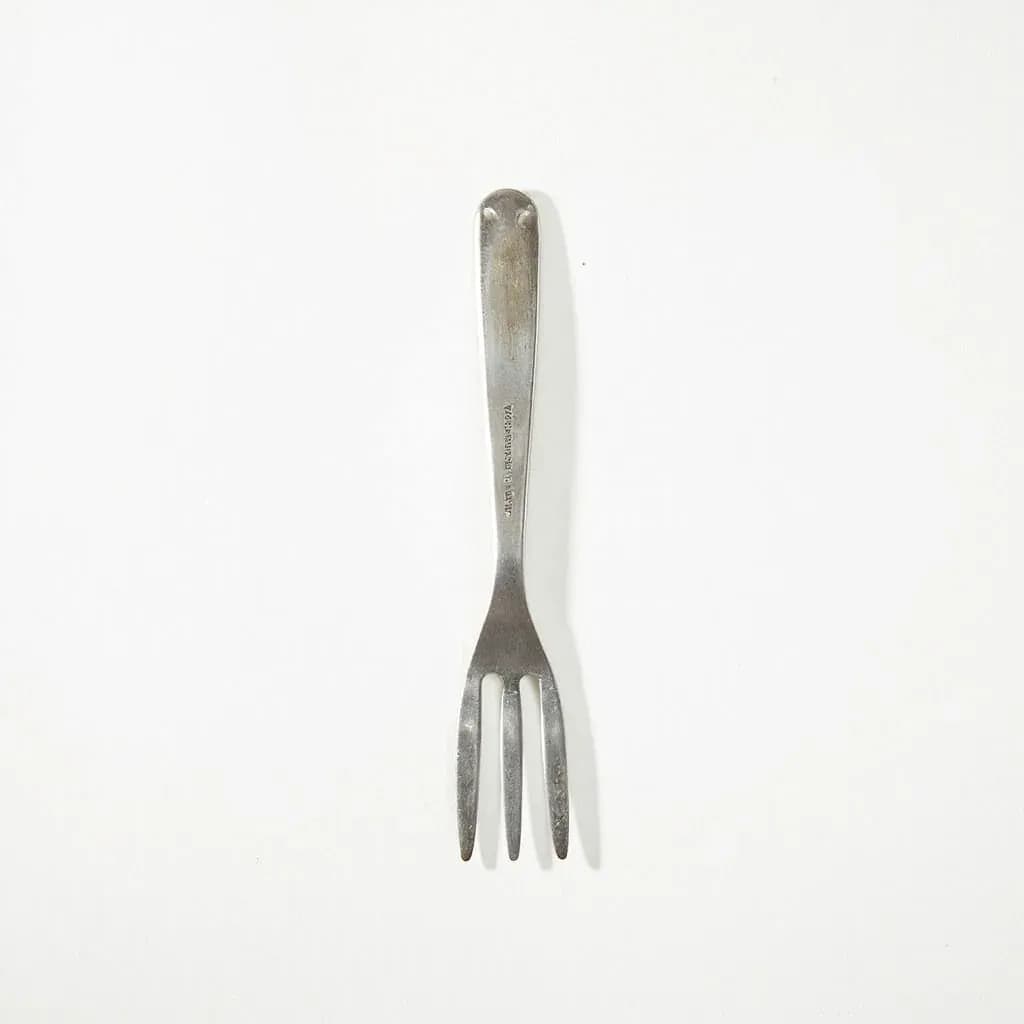
Uncapping Fork (Scratcher)
A pronged tool for piercing and lifting wax cappings off honeycomb before extraction.
An uncapping fork, or scratcher, is a beekeeping and honey-harvesting tool with a row of thin steel tines on a handle, used to scratch open the wax cappings sealing honeycomb cells. The cook or beekeeper rakes it across the comb to release honey before spinning or draining it. It reaches into uneven and recessed comb areas where a flat uncapping knife cannot.
The uncapping fork — also called a capping scratcher or honey scratcher — is a hand tool used in honey harvesting to break the thin wax seals that bees build over each filled cell of honeycomb. A row of sharp stainless-steel tines, spaced to match the width of a worker-bee cell, is dragged or raked across the face of a frame; the tines pierce the cappings and lift them away as small curls, exposing the liquid honey beneath so it can be flung out in a centrifugal extractor. It is the simplest and most forgiving way to uncap a frame, requiring no heat, no power, and almost no setup.
For the hobbyist or small-scale beekeeper, the fork is often the primary uncapping tool. In larger operations it plays a supporting role: heated knives and uncapping planes strip the bulk of a super quickly, and a scratcher finishes the corners, sunken comb, and any cells the blade missed. Its real strength is access rather than speed — the tines can reach into recesses and irregular comb a flat blade cannot, and they are gentle enough to use on thin foundation without gouging it.
In practice the tool behaves more like a fine rasp than a fork. You skim, not stab: a shallow, raking pass lifts the cap layer while leaving the cell walls beneath intact, which keeps the comb reusable and the extractor's strainers clear of wax slurry.
Alternatives
Types & varieties
The classic design: a row of straight sharp tines on a straight or slightly offset handle; the most common hobbyist choice.
Tines angled forward to reach sunken comb, frame edges, and corners a flat blade cannot.
A rotating spiked roller on a handle; often grouped with scratchers because it pierces rather than slices cappings. Faster on flat comb.
An uncommon electrically heated variant; most forks are unheated and dipped in warm water instead.
Injection-molded plastic head and handle; inexpensive and light, but less durable than stainless.
A heavier-duty fork used to lever or slice chunks of comb honey free of the frame for retail sale.
How to use it well
The fork rewards a light touch. Think of it as a comb-rippling rake, not a scraper: angle the tines shallow against the frame face and pull in the direction the tines lean, so the cappings peel up in small curls rather than tearing the comb beneath. A crisscross pattern — one pass in each direction — uncaps far more completely than repeated single-direction scraping. When the tool gums up, dunk the head briefly in a bucket of warm water and shake it off; cool honey sticks fast and turns the tines into blunt pegs.
- Skim only the cap layer; deep pressure crushes cell walls and clogs the extractor.
- Dunk in warm water between frames to keep tines clear.
- Work over a cappings basket so the wax-honey slurry can be drained and rendered later.
When to reach for the fork (and when not to)
The fork is the right tool for small harvests, irregular comb, follow-up work after a heated knife, and any situation without power or hot water. It is the wrong primary tool for a room full of full supers: a heated knife or roller plane will uncap an entire frame in seconds, while a fork takes several minutes. A common workflow in mid-sized operations is to plane the face of each frame, then run a scratcher around the lugs, down the wires, and across any low spots the blade skipped.
Common uses
Tips & pitfalls
- Hold the fork at a shallow angle and rake with the grain of the tines so cappings peel rather than gouge.
- Skim just the cap layer; pressing too deep crushes cells and floods the extractor with wax.
- Warm the fork in a bucket of warm water between frames to stop honey from gumming the tines.
- Stagger passes in a crisscross pattern for more complete uncapping than a single-direction scrape.
- Use it as a follow-up to a heated knife, not as a primary tool on full supers, unless you are working only a handful of frames.
- Keep a separate fork for propolis and burr-comb scraping so your honey-contact tool stays clean.
- Rinse in warm water as you go — cool honey hardens on the steel within minutes.
- Dry the tool thoroughly after washing; even stainless can spot or pit in damp storage.
- Disinfect between apiaries when moving the tool between yards to avoid spreading bee disease.
Good to know
- Also called
- Capping scratcher, uncapping scratcher, honey scratcher
- Primary function
- Pierces and lifts wax cappings from honeycomb cells so honey can flow out in an extractor
- Typical tines
- 8–16 stainless-steel tines spaced roughly 1/4 in (6 mm) apart to match worker-bee cell spacing
- Tine length
- Approximately 1.5–2 in (38–50 mm)
- Handle
- Wooden or molded plastic, sometimes with an offset or ergonomic grip
- Materials
- Stainless steel tines with wood or plastic handle
- Works on
- Capped worker comb, capped drone comb, irregular or damaged comb, and burr comb
- Origin
- Developed alongside movable-frame beekeeping in the 19th century as a low-cost alternative to heated uncapping knives
- Scale of use
- Suited to small-batch and hobbyist extraction; slower than a heated knife or plane for commercial volumes
- Difficulty
- Beginner-friendly; requires moderate pressure control to avoid tearing comb
- Pairs with
- Uncapping tank, cappings strainer, honey extractor, heated or cold uncapping knife
- Care
- Rinse with warm water after use; avoid bleach on steel; dry thoroughly to prevent rust and pitting
Also called
Scratcher · Capping Scratcher · Honey Uncapping Fork
Related

Peeler
Swift blade for stripping skin off fruit and vegetables

Grater
Sharp-toothed surface for shredding cheese and vegetables

Microplane
Ultra-fine rasp for citrus zest, garlic, and hard cheese

Mixing Bowl
All-purpose bowl for combining, whisking, and tossing

Whisk
Looped wires that beat air into eggs, cream, and sauces

Spatula
Flat blade for flipping, lifting, and scraping

Slotted Spoon
Pierced spoon that lifts solids and drains the liquid behind

Wooden Spoon
Gentle, heat-friendly spoon for stirring anything