Prep Tools
Naan Water Bowl
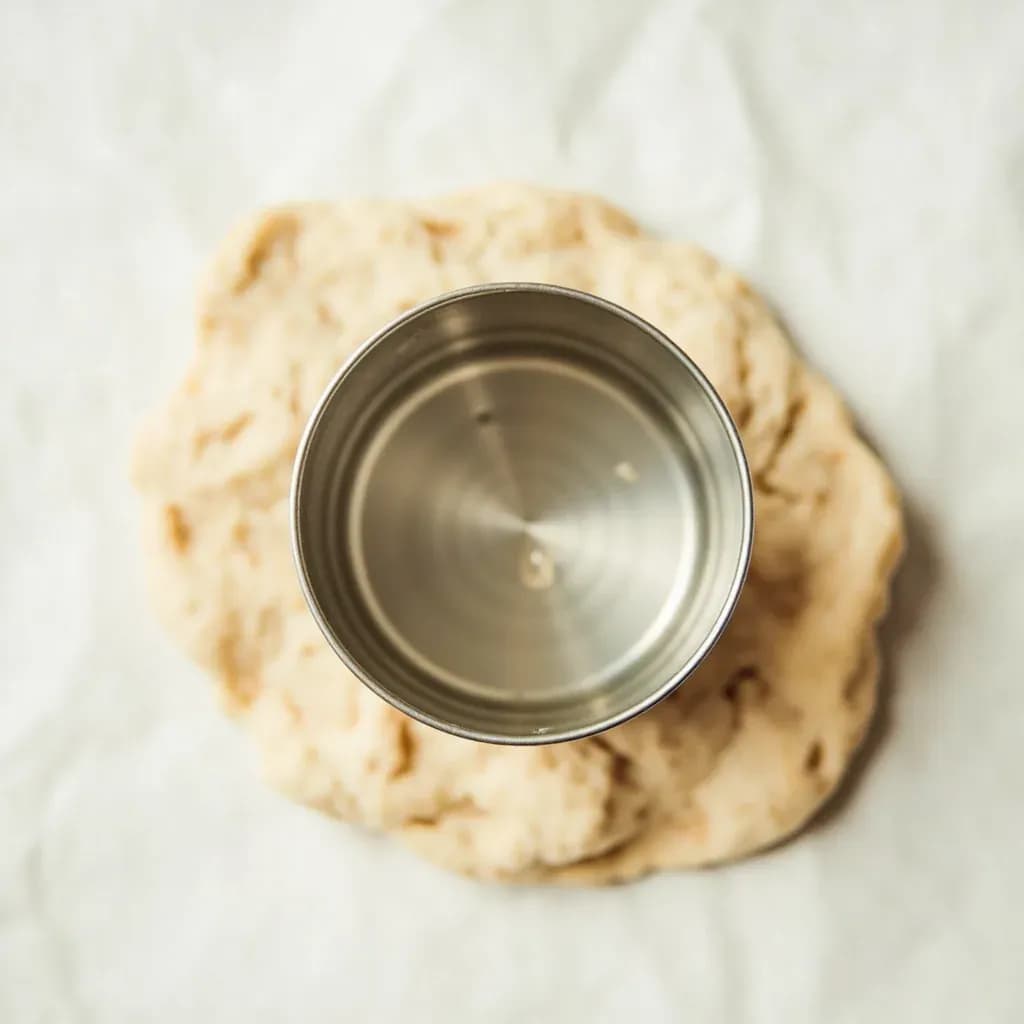
A shallow bowl of water for wetting hands and dough when slapping naan into a tandoor.
A naan water bowl is a small shallow vessel of water kept beside the tandoor so the baker can dampen one side of the shaped dough before slapping it onto the hot clay wall. The moisture helps the bread stick and steam-cooks the surface. It is a simple but essential tool in tandoor naan and roti work.
The naan water bowl is a small but indispensable piece of tandoor-station furniture: a wide, shallow vessel of plain water kept within arm's reach of the naan-maker so that hands and dough balls can be wetted in a single fluid motion between every bread. It exists because of one specific problem in tandoor baking — a shaped naan must be slapped, wet side first, onto the searing inside wall of a clay oven, and that flash of moisture is what flash-steams the surface, glues the dough to the clay, and produces the glossy, blistered, slightly charred crust tandoor bread is famous for. Without a ready source of water, the dough clings to the baker's fingers instead of the oven wall, and the bread never forms properly. The bowl is, in effect, the missing link between dough and oven.
In a working tandoor, the bowl sits on the counter or built-in ledge just beside the oven mouth, opposite the baker's dominant hand, and is used in constant rotation. Hands are dipped and shaken between each pull and stretch; the dough ball itself is rolled through the water or dipped on one side before the slap; and the cloth pad used to retrieve finished naan is dunked repeatedly to keep it from scorching. Its job is so rhythm-dependent that depth, width, and position all matter more than the material it is made of. A deep cup is too slow, a bowl placed a step out of reach breaks the line, and cloudy, flour-heavy water gums up the dough and dulls the crust.
Material is not standardized, which is the bowl's defining feature. Restaurant tandoors almost always use a stainless steel basin for durability and easy cleaning, while older North Indian and Pakistani shops may keep a brass lota or a copper potli, and roadside dhabas often reach for a wide plastic catering tub. The shape — open, shallow, and roughly the size of a dinner plate — is what makes any of them work. Home cooks without a tandoor keep the same setup on the counter for skillet or pizza-stone naan, since the function (wetting dough to release steam and adhere to a hot surface) is identical, only the oven is different.
Alternatives
Types & varieties
The workhorse of restaurant tandoors: durable, cheap, easy to sanitize, and wide enough to roll a dough ball across in one pass.
Traditional in older North Indian and Pakistani shops; heavier and visually distinctive, but tarnishes and should be tinned if salted water is used.
Premium or old-world tandoors; the metal conducts heat away, helping the water stay cool even when the bowl sits close to a roaring oven.
Common in casual roadside dhabas and catering lines; lightweight, replaceable, and often doubles as a dough-rising tub between services.
A home-kitchen adaptation: a tea towel soaked in water lines a wide tray, and the dough ball is rolled across it to wet one side evenly without submersion.
A split tray holding a dusting of dry flour on one side and a shallow pool of water on the other, letting the baker wet and dust the dough in one station.
Why water, and not oil or dry flour
The choice of plain water in the bowl is dictated by what tandoor baking actually requires at the moment of contact. A wet dough surface flash-steams the instant it meets clay at 400 °C or more, and that burst of vapor is what lifts the bread off the paddle, glues it to the wall, and pushes the leaven in a matter of seconds. Anything that does not flash — oil, butter, or a dry flour coat — changes the chemistry of the crust and the geometry of the bake.
- Water flash-steams against the hot clay, bonding the dough and creating the glossy, blistered char.
- Oil or butter in place of water smokes, fries the surface, and lets the naan slide off the wall before it sets.
- A dry flour coat alone produces a pale, slack crust with no blister or char.
- A small pinch of salt in the water tightens the gluten skin and helps the dough hold a clean oval through the slap — but it will pit bare copper or brass over time.
Common uses
Tips & pitfalls
- Keep the bowl wide and shallow, not deep — the naan-maker needs to wet and shake off both hands in one quick motion between every dough ball.
- Change the water frequently during service; it clouds with flour and yeast within an hour and that residue makes the dough surface gummy.
- Position the bowl on the tandoor side opposite your dominant hand so the working hand travels the shortest distance and the rhythm never breaks.
- Use cool or room-temperature water, never warm — warm water softens the dough surface and makes it tacky and hard to handle.
- A pinch of salt in the water is standard in many shops and slightly tightens the dough skin, but skip it if the bowl is bare copper or brass, as it will pit the metal over time.
- Do not substitute oil for water in the bowl — oil on the dough's outer face will keep the naan from adhering to the tandoor wall and will burn.
- Keep a backup bowl of clean water nearby so the main bowl can be swapped out mid-service without stopping the line.
- Stainless steel is the safest default; brass and copper look traditional but can react with salted water and are best lined, tinned, or reserved for unsalted water.
Good to know
- Type
- Prep tool / workstation accessory
- Primary function
- Holds water for wetting hands and dough balls while shaping and slapping naan
- Common materials
- Stainless steel (commercial), brass or copper (traditional), plastic or ceramic (home and casual setups)
- Typical dimensions
- Roughly 20–30 cm (8–12 in) across, 5–8 cm (2–3 in) deep — wide and shallow, never deep
- Position in kitchen
- On the ledge or counter directly beside the tandoor mouth, opposite the baker's dominant hand
- Water used
- Plain cool or room-temperature water; many shops add a small pinch of salt to tighten the dough skin
- Region of use
- North Indian, Pakistani, Afghan, and Central Asian tandoor stations
- Related equipment
- Tandoor oven, naan paddle (tawwa, gaddi, or peel), and wet cloth pad for removing finished naan
Also called
dough wetting bowl
Related

Peeler
Swift blade for stripping skin off fruit and vegetables

Grater
Sharp-toothed surface for shredding cheese and vegetables

Microplane
Ultra-fine rasp for citrus zest, garlic, and hard cheese

Mixing Bowl
All-purpose bowl for combining, whisking, and tossing

Whisk
Looped wires that beat air into eggs, cream, and sauces

Spatula
Flat blade for flipping, lifting, and scraping

Slotted Spoon
Pierced spoon that lifts solids and drains the liquid behind

Wooden Spoon
Gentle, heat-friendly spoon for stirring anything