Prep Tools
Tasting Wine Glass
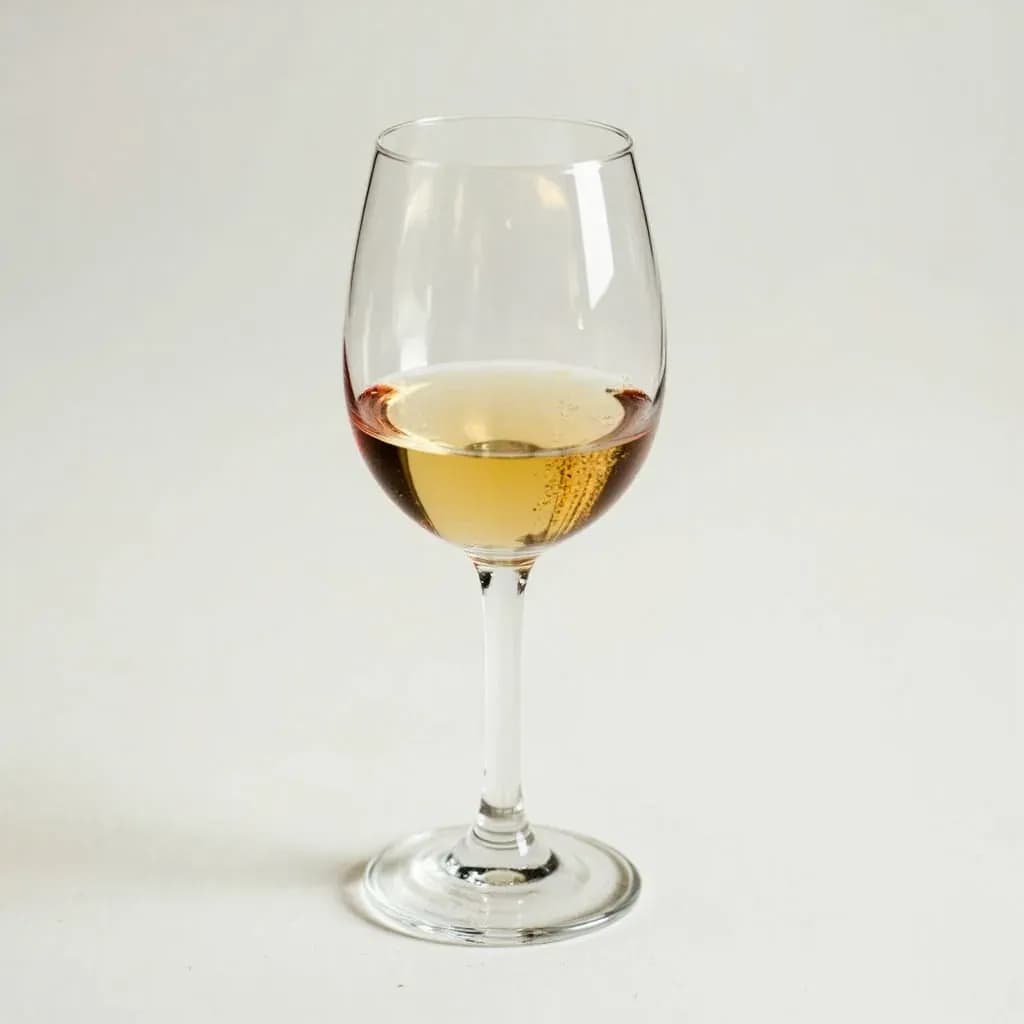
A stemmed glass shaped to concentrate aromas for evaluating and serving wine.
A tasting wine glass is a clear stemmed glass with a tapered bowl designed to swirl wine, release its aromatics, and direct them to the nose. The stem keeps the hand from warming the wine and the clear bowl lets the taster judge color. Cooks and sommeliers use it to evaluate wine for drinking and for matching to dishes.
A tasting wine glass is a stemmed vessel engineered for one purpose: to deliver an honest, unskewed read on what's in the glass. Unlike varietal-specific serving glasses, the classic tasting glass — almost always the ISO/INAO shape — is deliberately neutral. Its tulip bowl, inward-tapered rim, and long stem concentrate volatile aromatics at the nose, let the taster swirl vigorously without spilling, and keep body heat away from the wine. For cooks, sommeliers, and cellar staff running tastings, pairings, or quality-control checks, it functions as a laboratory beaker: it should reveal the wine, not the glass.
The design has been codified at roughly 155 mm tall with a 65 mm bowl and a total capacity near 215 mL, of which only about 50 mL (1.5 oz) is poured — enough liquid to swirl, with enough empty headspace to capture the vapor plume. The glass is always clear, uncolored, and thin-rimmed so the taster can assess clarity, viscosity, and rim color. Holding it by the stem or base is non-negotiable: cupping the bowl warms the wine, smudges the surface, and obscures visual evaluation.
In professional contexts the tasting glass is the standard at international competitions (OIV rules), in WSET and Court of Master Sommeliers curricula, and in winery labs during fermentation and blending. A serious kitchen treats it as essential equipment for anyone running a wine pairing dinner, evaluating faulty bottles, training staff, or hosting vertical tastings.
Alternatives
Types & varieties
The neutral reference glass used for blind and professional tasting; intentionally non-varietal so the bowl shape does not bias results.
Riedel's competition-friendly tasting glass, with a slightly larger bowl than ISO for aromatic red varietals.
Tritan crystal ISO-style glass favored in restaurant tasting programs for its durability.
French-designed professional tasting glass with a slightly smaller bowl than ISO; popular with working sommeliers.
Austrian 'one-for-all' tasting and serving glass, taller and broader than ISO, common in restaurant by-the-glass pours.
Machine-made, thin-rimmed tasting glass used at events like the Decanter World Wine Awards.
Smaller ISO-style glasses (often four to six on a board) for side-by-side comparison in classes and tastings.
Judging glass vs. serving glass
The tasting glass is a measurement tool, not a pleasure vessel. Varietal-specific serving glasses — Riedel Vinum, Zalto Universal, Gabriel-Glas — are designed to flatter a wine by directing it to a specific zone of the palate. That flattering is precisely what you don't want during blind evaluation, where the goal is to score the wine on its own terms. Many competition rules require the ISO glass for this reason. A sensible kitchen keeps one set of ISO glasses for evaluation and training and a separate set of varietal or universal serving glasses for the dining room.
- Use ISO (or another neutral tasting glass) for blind tasting, scoring, and quality control.
- Use varietal or universal stemware for service, pairings, and enjoyment.
- Never let detergent residue, kitchen odor, or cabinet wood taint contact the rim — the nose is unforgiving.
A brief history of varietal-specific stemware
For most of the twentieth century, a 'wine glass' was a single multipurpose shape. That changed in 1958, when Claus Riedel argued that glass form — not just bowl size — directs wine to a specific area of the palate, and released the Burgundy series of varietal stemware. His son Georg expanded the program in 1986 with the Bordeaux line, and the varietal-glass category has dominated consumer stemware ever since. The ISO glass emerged from the opposite philosophy: for fair competition and scientific comparison, the glass must say nothing.
Common uses
Tips & pitfalls
- Pour only about one-fifth of the bowl — enough to swirl vigorously without spilling, with headspace for aroma capture.
- Always hold the glass by the stem or base; cupping the bowl warms the wine and leaves fingerprints that obscure color.
- Use only clear, uncolored, unpatterned glass so clarity, viscosity, and rim color variation can be assessed honestly.
- Wash by hand with unscented detergent, rinse with hot water, and air-dry — residual soap or rinse-aid distorts both nose and palate.
- Inspect the rim for chips before each use; even a tiny chip causes uneven pouring and dulls perception.
- For blind tasting, the ISO glass is the only shape that won't bias results toward a specific varietal.
- Store upright, not on the rim — long-term rim contact can cause micro-chipping and absorb cabinet odors.
- Keep a dedicated judging set separate from service glassware to avoid carryover of detergent film or kitchen odors.
Good to know
- Standard reference glass
- ISO/INAO tasting glass, designed by France's Institut National de l'Origine et de la Qualité
- Total height
- 155 mm
- Bowl diameter at widest
- 65 mm
- Total capacity
- ~215 mL
- Tasting pour
- ~50 mL (about 1.5 oz), leaving room to swirl
- Material
- Clear, colorless thin glass or lead-free crystal
- Stem
- Long stem; held to keep hand heat away from the wine
- Rim
- Thin, smooth, slightly inward-tapered tulip shape to focus aromatics
- Use in judging
- Mandated at most international wine competitions under OIV rules
- Storage
- Upright in a closed, odor-free cabinet; never stored near spices
Also called
Stemware · wine glass · tasting glass
Related

Peeler
Swift blade for stripping skin off fruit and vegetables

Grater
Sharp-toothed surface for shredding cheese and vegetables

Microplane
Ultra-fine rasp for citrus zest, garlic, and hard cheese

Mixing Bowl
All-purpose bowl for combining, whisking, and tossing

Whisk
Looped wires that beat air into eggs, cream, and sauces

Spatula
Flat blade for flipping, lifting, and scraping

Slotted Spoon
Pierced spoon that lifts solids and drains the liquid behind

Wooden Spoon
Gentle, heat-friendly spoon for stirring anything