Beef — Primal & Subprimal
Beef Clod (Chuck Shoulder Clod)
Also: shoulder clod, beef shoulder, chuck clod, arm clod, clod roast
A large, economical subprimal from the beef shoulder that Central Texas pitmasters smoke low-and-slow as a brisket alternative, yielding deeply beefy, sliceable roast at a fraction of the price.
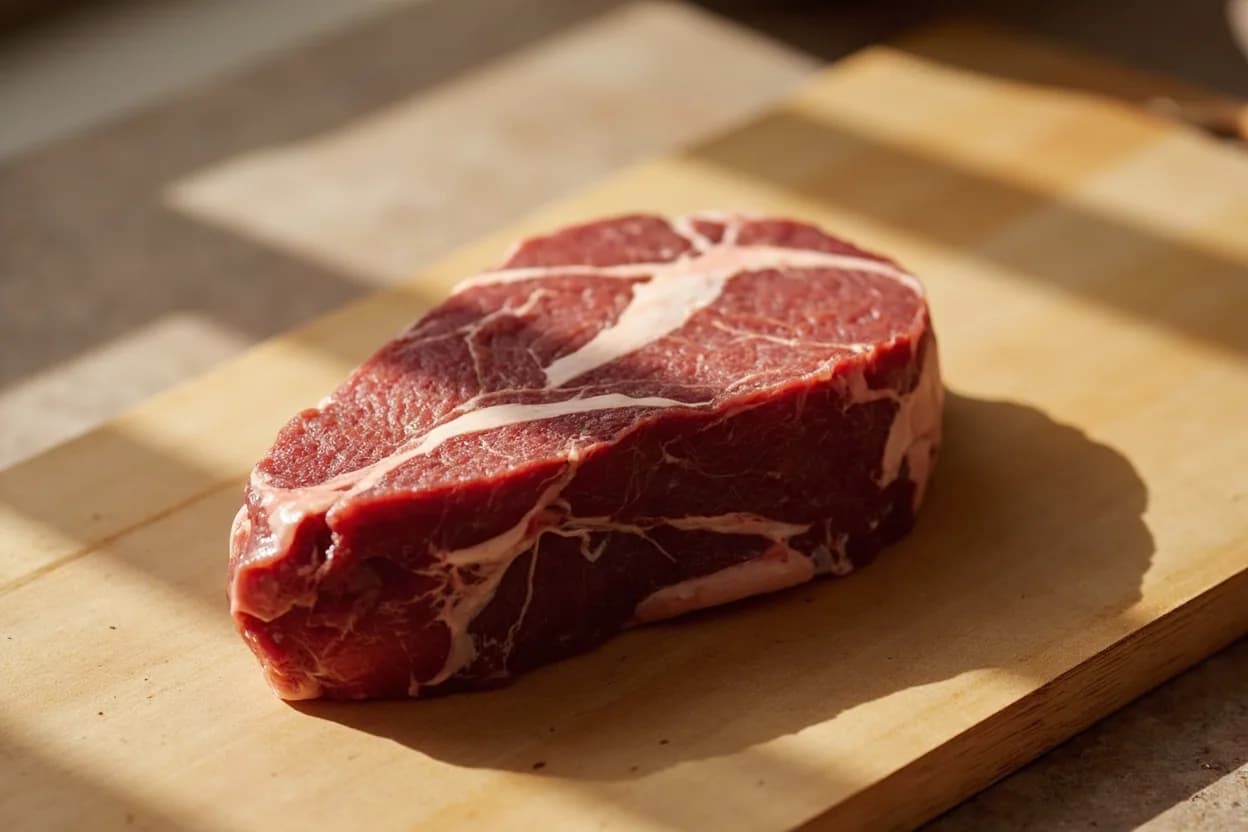
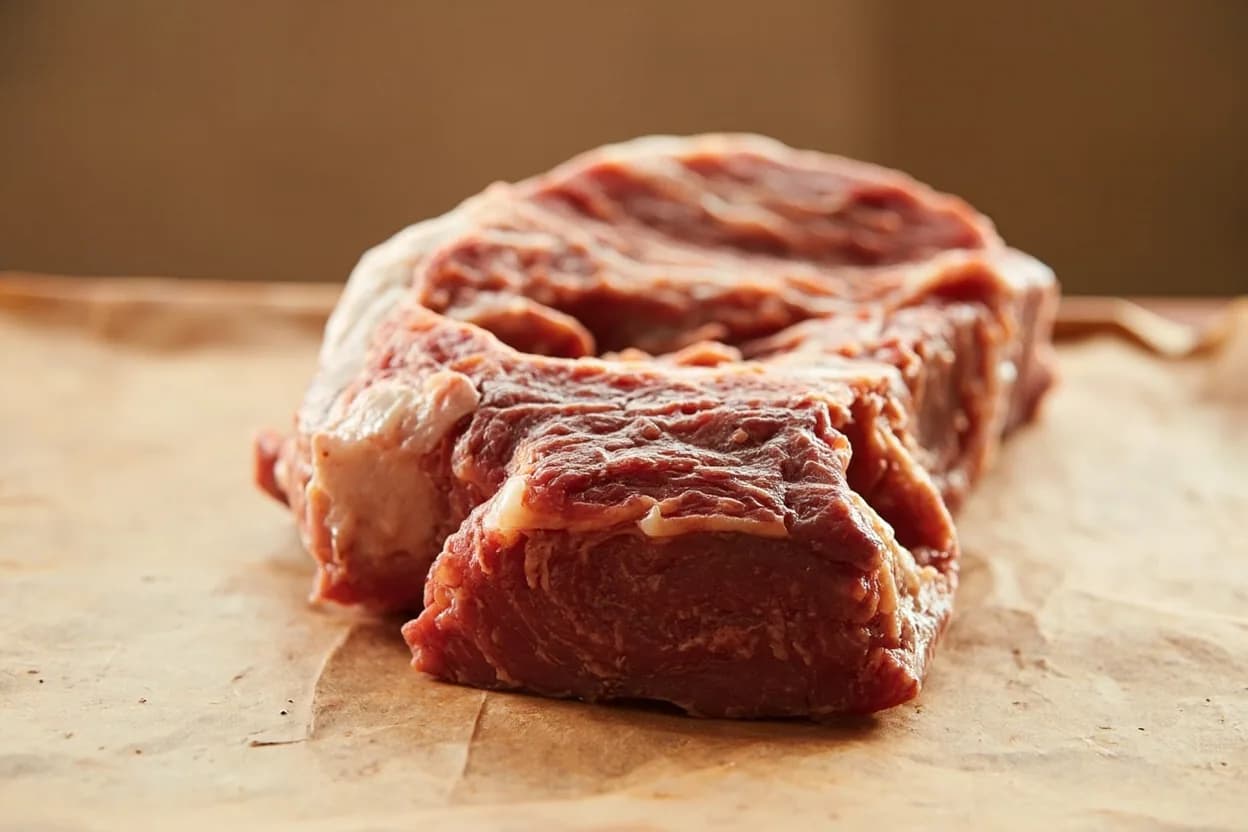
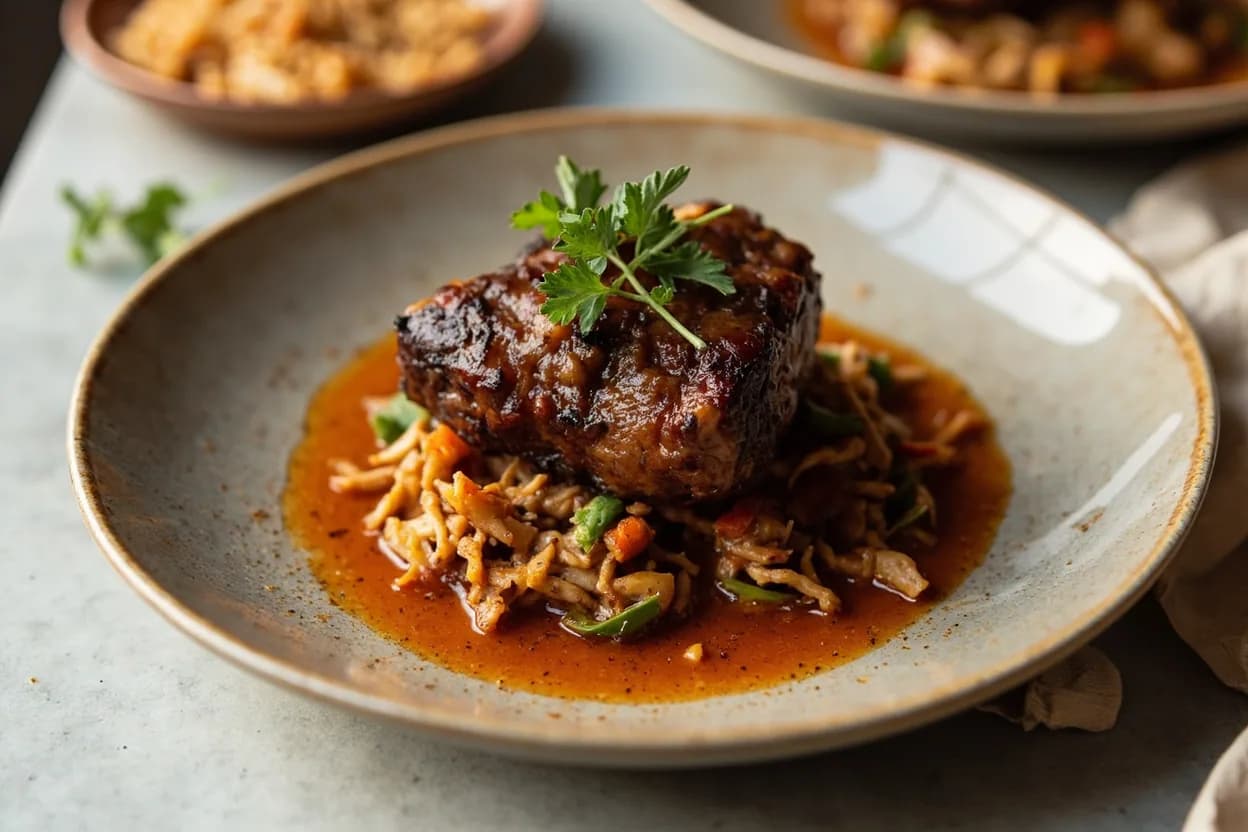
The shoulder clod (NAMP #114) is a boneless beef subprimal weighing 14–22 lbs / 6.3–10 kg, cut from the arm and shoulder section of the chuck primal. It consists primarily of the clod heart (triceps brachii), the clod top blade, and several smaller muscles, all enclosed in a thick external fat cap and heavy silverskin on one face. It is a working muscle with significant connective tissue but less collagen than brisket — it becomes fork-tender and intensely flavored after 10–16 hours of low-and-slow cooking. Historically undervalued in retail (ground or stewed), the clod has been championed by Central Texas BBQ legend Louie Mueller Barbecue in Taylor, Texas, where it is smoked whole as an alternative to brisket.
In photos
Where it comes from
Chuck primal, arm/shoulder section; specifically the triceps brachii and associated muscles covering the humerus. Located on the foreshank side of the chuck, anterior to the chuck eye roll and below the chuck short ribs.
Best for
How to cook it
- 1Trim the external fat cap to approximately 6 mm / ¼ inch — leave enough to baste during the cook but remove thick, waxy exterior fat that will not render.
- 2Remove heavy silverskin from the exposed face using a boning knife; this layer won't break down and creates an unpleasant barrier to smoke penetration.
- 3Season generously with coarse kosher salt and cracked black pepper (Central Texas approach); or apply a wet rub of chili powder, garlic, and cumin for barbacoa.
- 4Smoke fat-cap up at 225–250 °F / 107–121 °C over post oak or mesquite for 10–14 hours until the internal temperature reaches 195–205 °F / 90–96 °C and a probe slides in with no resistance.
- 5Rest wrapped in butcher paper at least 1 hour before slicing — the clod tightens more than brisket and needs the rest to redistribute juices.
- 6Slice against the dominant grain of the triceps muscle at about 6 mm / ¼ inch thickness; the grain changes direction within the subprimal, so re-orient the cut when the fiber direction shifts.
Prep & butchery
- Purchase the full shoulder clod (14–22 lbs) rather than pre-cut pieces for whole-muscle smoking.
- Use a long, sharp slicing knife to trim the fat cap evenly — inconsistent fat thickness causes hot spots during smoking.
- Score the silverskin side with shallow cross-hatches to allow rub penetration without fully removing it if time is short (full removal is better).
- Apply salt rub 12–24 hours ahead and leave uncovered in the refrigerator — the dry brine develops a tacky pellicle that helps smoke adhere.
- Identify grain direction before cooking by running a finger across the raw surface — mark it with a toothpick so you know how to slice after the color deepens.
Substitutes
- Brisket (whole packer)
The standard Texas BBQ benchmark; more collagen-rich and fattier, especially at the point. Clod gives a leaner, drier slice — not inferior, just different.
- Chuck Roll
Similarly priced and positioned; more diffuse muscle structure, good for braising but less impressive as a sliced whole-muscle BBQ presentation.
- Pork shoulder (Boston butt)
Different protein but similar cook time and low-and-slow method; appropriate substitute in pulled-style applications.
Related cuts
- Flat Iron (Top Blade)
Seams out of the clod; premium grill steak if separated before smoking
- Clod Heart
The triceps brachii itself — the primary muscle of the shoulder clod; the most uniform-grained part
- Brisket
The competing low-and-slow BBQ cut; fattier and more unctuous, from the foreshank/brisket primal
- Chuck Short Ribs
Same chuck primal; bone-in alternative for braising
Appears in
References
- 1.Franklin Barbecue: A Meat-Smoking Manifesto — Aaron Franklin & Jordan Mackay, Ten Speed Press
- 2.Legends of Texas Barbecue Cookbook — Robb Walsh, Chronicle Books
- 3.NAMP Meat Buyers Guide — Item 114 (Beef Chuck Shoulder Clod), North American Meat Institute
- 4.The Food Lab — J. Kenji López-Alt, W. W. Norton & Company
Confidence: high
Notes
Louie Mueller legacy
Louie Mueller Barbecue in Taylor, Texas is the most famous proponent of smoked beef clod, serving it as a centerpiece alongside sausage and ribs. Pit master Bobby Mueller (and later Wayne Mueller) championed the clod's ability to produce a cleaner, more deeply beefy slice than brisket — one that shows the quality of the beef rather than relying on fat rendering to carry flavor. This tradition has been largely overshadowed by the brisket obsession of the Austin BBQ wave, making clod an increasingly rare find on Texas BBQ menus and all the more interesting for that.
Seaming option
A skilled butcher can seam a whole shoulder clod into the clod heart (for smoking or braising whole), the flat iron (for grilling), and the petite tender/teres major if it's present at the edge. This disaggregation yields more value per pound and allows each muscle to be cooked optimally — worth considering when buying a whole clod for home use.