Knife Cuts — Regional & Global
Desveinado (Deveining Dried Chiles)
Also: desveining, chile cleaning, chile preparation, seed removal
The Mexican technique of splitting dried chiles lengthwise, then stripping out veins and seeds to control heat and bitterness before toasting and rehydrating.
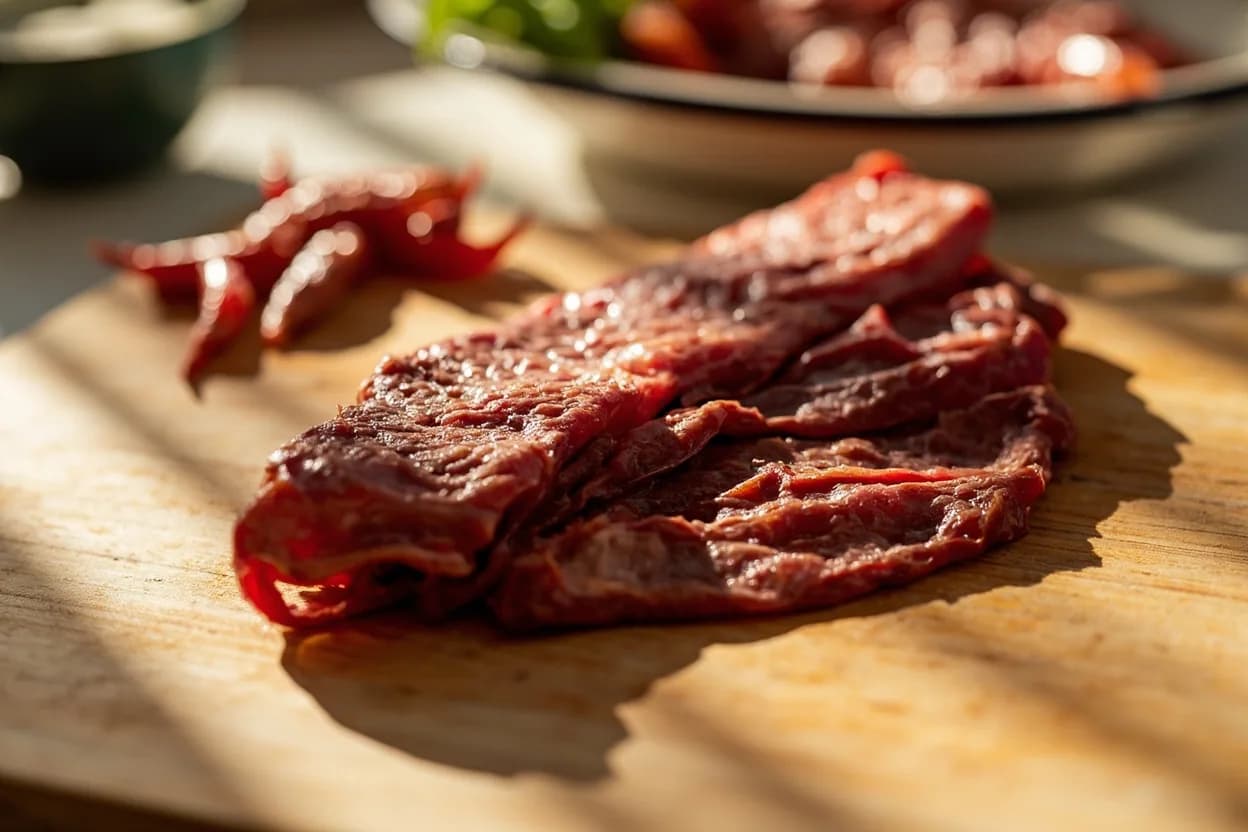
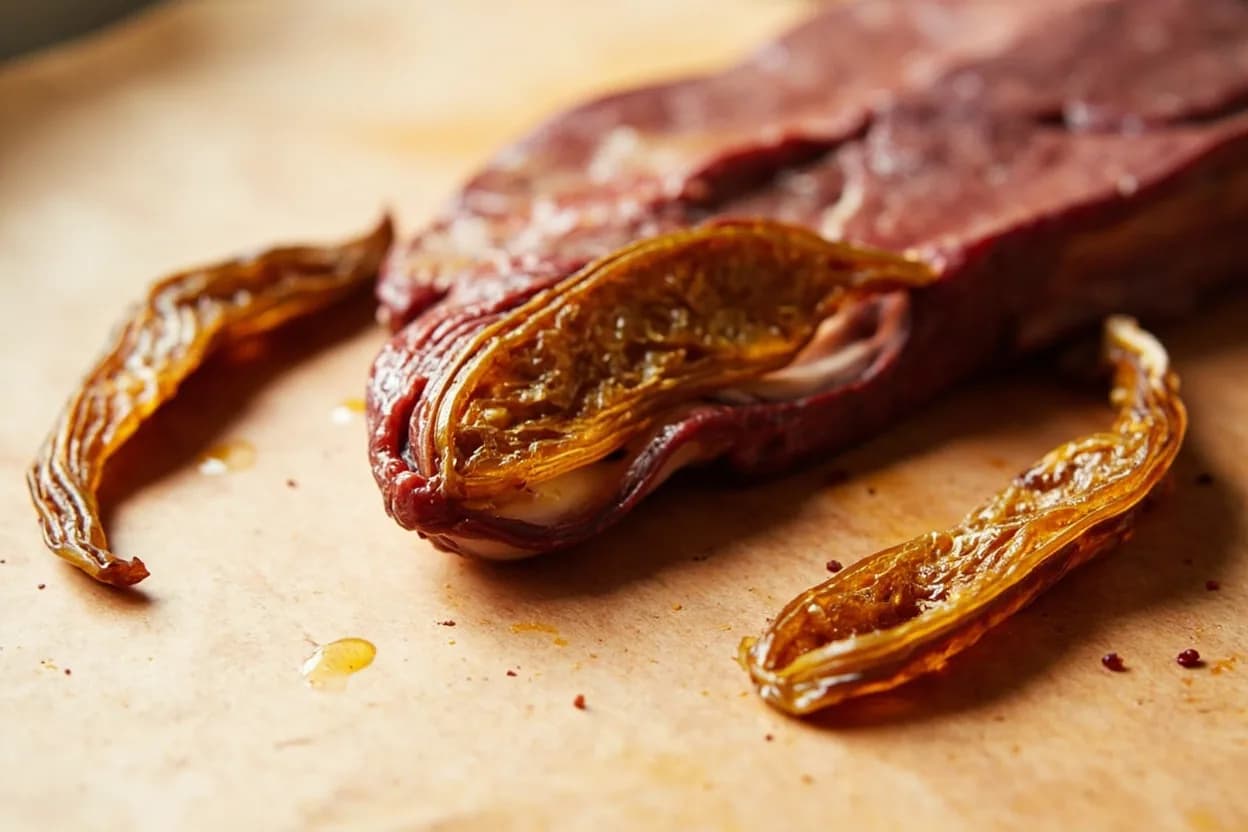
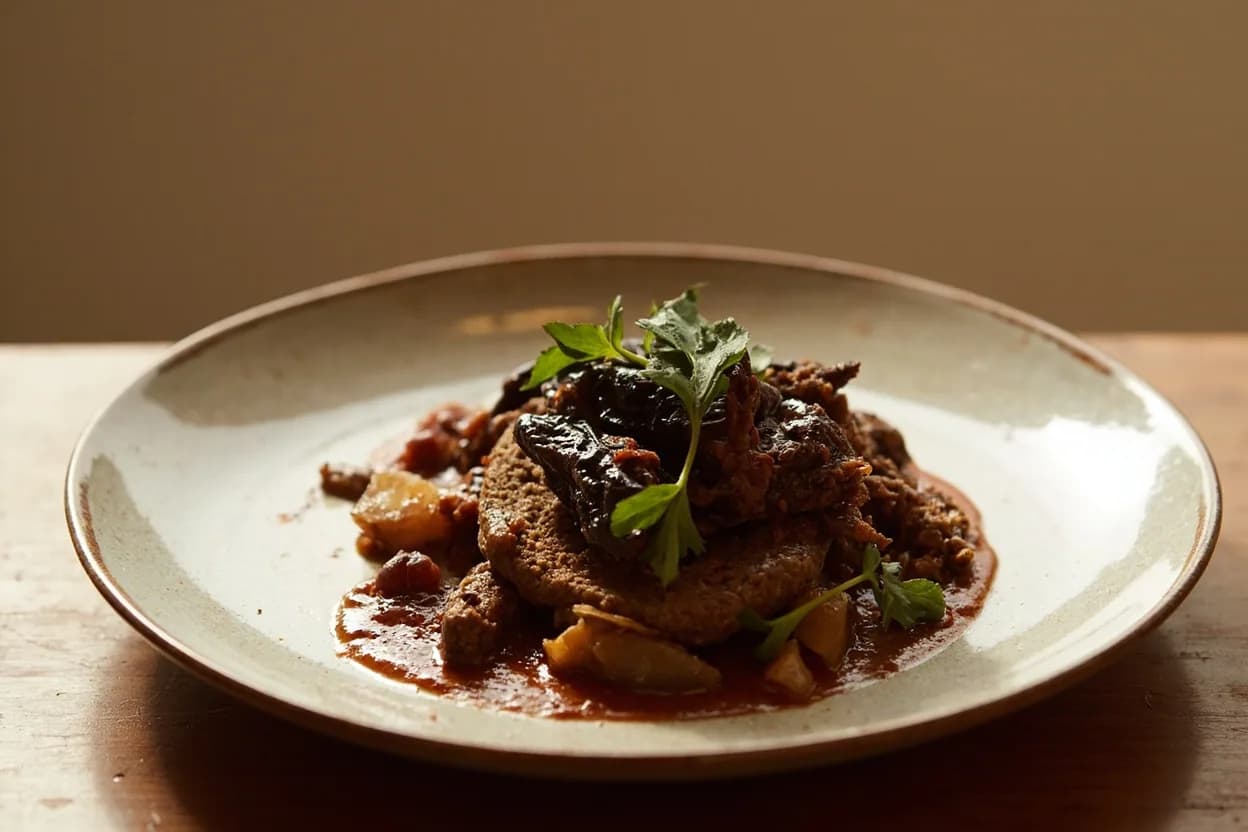
Desveinado — literally 'deveining' — is the essential preparatory step applied to dried Mexican chiles before they enter a mole, adobo, salsa roja, or enchilada sauce. The cook makes a single lengthwise slit, opens the pod flat, removes the stem with a brief snap or knife cut, and then peels out the interior membrane (vein/placenta) along with the seed clusters attached to it. What remains is the pure, dried flesh of the chile wall: concentrated in fruity, smoky, or chocolatey flavour but stripped of the capsaicin-dense tissue that makes a dish unmanageably hot or acrid.
In photos
Where it comes from
The dried pod of Capsicum annuum, C. chinense, or C. pubescens varieties. The vein is the internal placental ridge running the length of the fruit; seeds cling to this ridge. The outer skin and flesh of the pod wall are retained; only the internal structure is removed.
Best for
How to cook it
- 1Wipe the outside of each dried chile with a dry cloth to remove dust; inspect for mould.
- 2Hold the chile at the stem end. Use a paring knife or kitchen scissors to make one lengthwise slit from just below the stem to the tip.
- 3Open the pod flat like a book. Snap or cut off the stem flush with the shoulder of the chile.
- 4Run a thumb or the flat of the knife along the interior to loosen and pull out the seed cluster and attached placenta (vein). Work from top to bottom in one stroke if possible.
- 5Shake out any remaining loose seeds over the trash or a bowl if reserving.
- 6For very mild results, rinse briefly under cold water and wipe dry. For maximum flavour retention, dry-clean only and skip rinsing.
- 7Toast the deveined chile flesh briefly (30–45 seconds per side) in a dry comal or skillet over medium heat until fragrant and slightly pliable, not charred.
- 8Transfer immediately to hot water, chicken broth, or a soaking liquid suited to the recipe; weight down and soak 20–30 minutes until fully rehydrated before blending.
Prep & butchery
- Use kitchen scissors instead of a knife for speed on fragile chiles like mulatos that crack easily.
- Wear gloves when processing chipotles en adobo or any high-Scoville dried variety — capsaicin transfers readily from fingers to eyes.
- If a chile is so brittle it shatters, gently warm it 10 seconds over an open flame or on a warm comal to restore minimal pliability before slitting.
- Save deveined seeds: toast lightly and grind into a seasoning salt for tacos or elotes.
- For large mole batches, work in batches: stem and slit all chiles first, then devein all at once for efficiency.
Substitutes
- Chile powder blend
Pre-ground; loses the texture control and multi-chile layering that desveinado enables — acceptable shortcut only for weeknight cooking.
- Whole dried chiles (undeveined)
Use when maximum heat is desired; omit deveining step but always remove the stem before soaking.
Related cuts
- Julienne (dried chile strips)
Deveined chile flesh can be torn or cut into strips (rajas) for garnish or direct sauté.
- Chile paste mince
After rehydration, deveined flesh is blended smooth; the deveining step is a prerequisite for a clean-tasting paste.
Appears in
References
- 1.Authentic Mexican — Rick Bayless
- 2.The Art of Mexican Cooking — Diana Kennedy
- 3.Oaxaca: Home Cooking from the Heart of Mexico — Bricia Lopez
- 4.Mexico: The Cookbook — Margarita Carrillo Arronte
Confidence: high
Notes
Heat geography of the chile pod
Capsaicin concentration is highest in the placental vein and the tissue immediately surrounding it, not in the seeds themselves (a common misconception). Seeds taste bitter when toasted but contribute little direct heat. Removing the vein is therefore the decisive act for heat reduction; removing the seeds is secondary.
Mole calibration
Classic mole negro recipes call for 6–8 chile varieties simultaneously. Experienced Mexican cooks devein all of them but keep the seed bowls separate, then reintroduce a measured pinch from hotter varieties (chile de árbol, chile negro) at the blending stage to achieve the target heat without sacrificing depth.