Fish — Fabrication & Breakdown
Fish Loin for Tiradito / Sashimi-Style Slicing
Also: tiradito cut, Nikkei loin slice, corvina loin, cobia loin
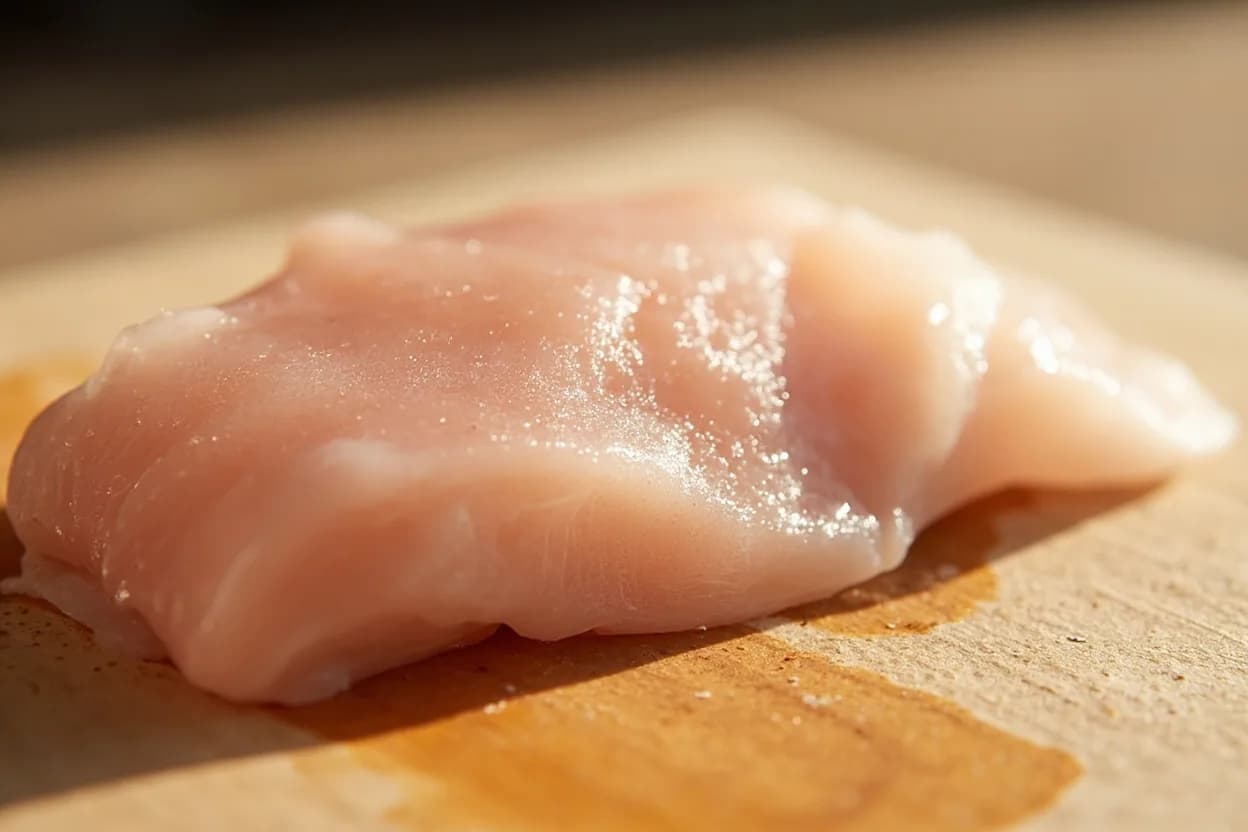
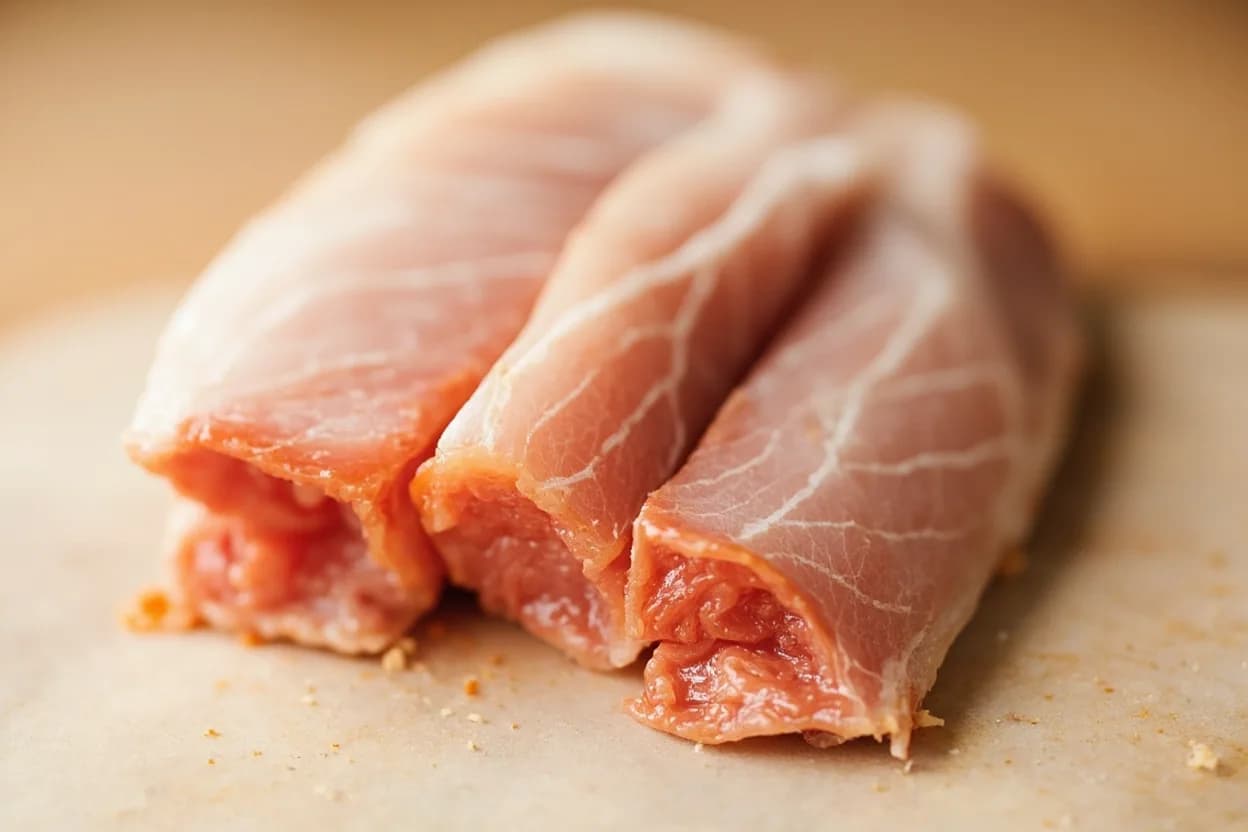
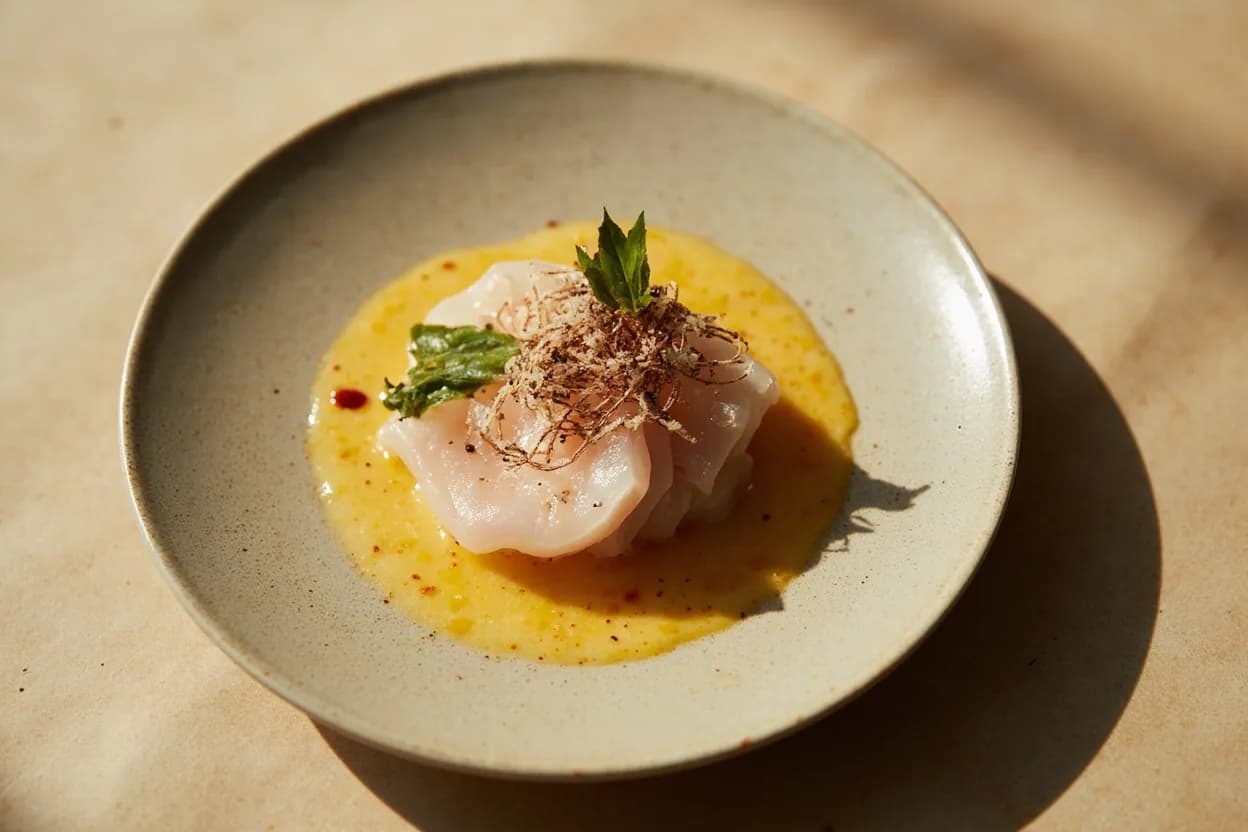
A low-angle, 3–5 mm loin slice of corvina or cobia used in Peruvian Nikkei tiradito — thinner and more deliberate than ceviche's cube.
Tiradito is Peru's answer to sashimi-inflected ceviche: raw fish sliced thinly against the grain and fanned on the plate, then dressed à la minute. The cut itself is the dish's architecture. Unlike ceviche, which uses rough-cut cubes that tumble in leche de tigre, tiradito demands a clean, translucent slab — 3–5 mm thick — that cures evenly and drapes elegantly. The technique is a direct inheritance from the Nikkei (Japanese-Peruvian) culinary tradition, where Japanese immigrants applied sashimi discipline to Peruvian coastal fish.
In photos
Where it comes from
The center-cut loin, taken from the thickest dorsal section of the fillet after pinboning. The loin runs from just behind the head to the tail's taper, and the cut avoids the thinner belly flap. For corvina (Argyrosomus regius or Pacific drum) and cobia (Rachycentron canadum), the loin offers the cleanest grain and most consistent thickness.
Best for
How to cook it
- 1Source sushi-grade corvina or cobia; the fish must be impeccably fresh or properly frozen to -20°C for parasite kill.
- 2Fillet and pin-bone the fish; remove the belly flap and reserve for stock or leche de tigre base.
- 3Chill the loin to just above freezing (1–2°C) — cold flesh firms the muscle and allows cleaner knife entry.
- 4Use a long, single-bevel yanagi or a Western sujihiki; draw the knife in a single pulling stroke at a 30–40° angle to the board, cutting slices 3–5 mm thick against the grain.
- 5Fan slices on a chilled plate immediately; do not stack or let them touch — they will stick.
- 6Dress with leche de tigre (citrus, aji amarillo, ginger, cilantro root, fish stock) only at the moment of service; the acid begins denaturing protein within seconds.
- 7Garnish with aji limo, cancha, camote, and a drizzle of aji amarillo emulsion for classic presentation.
Prep & butchery
- Always pin-bone with needlenose pliers before loining; residual bones ruin thin slices.
- Keep a damp towel under the fish while slicing to prevent board slide.
- Wipe the blade clean between each slice to prevent drag tearing the flesh.
- If using a frozen fish, thaw in the refrigerator overnight — never in water, which water-logs the muscle.
Substitutes
- Halibut loin
Firmer, whiter flesh; holds the cut well but lacks corvina's mild sweetness — a common restaurant substitute.
- Flounder / hirame
The sashimi standard for usu-zukuri; works beautifully if the Nikkei angle is leaned into.
- Sea bass (lubina)
Widely available, clean flavor, and a logical swap when corvina is unavailable.
- Yellowtail / hamachi loin
Richer and fattier; changes the dish's register but popular in upscale Nikkei kitchens.
Related cuts
- Sashimi hira-zukuri
The rectangular block-pull slice from Japanese tradition that directly inspired the tiradito cut.
- Usu-zukuri
Paper-thin diagonal sashimi slice; the tiradito cut sits between hira-zukuri and usu-zukuri in thickness.
- Fish fillet
The whole side from which the loin section is portioned.
Appears in
References
- 1.Cebiche Power — Gastón Acurio (2013)
- 2.Peru: The Cookbook — Gastón Acurio (2015)
- 3.The Japanese Culinary Academy's Complete Japanese Cuisine: Sashimi — JCA (2016)
- 4.Nobu: The Cookbook — Nobuyuki Matsuhisa (2001)
Confidence: high
Notes
Nikkei origins
Tiradito emerged in Lima's Nikkei community in the late 19th and early 20th centuries as Japanese immigrants adapted their sashimi instincts to local fish and Andean citrus. Where Japanese sashimi rests in soy and wasabi, tiradito swims in leche de tigre with aji amarillo heat — a genuine creole fusion, not a marketing invention.
The cut is the cure rate
Thickness is not aesthetic; it controls how quickly leche de tigre penetrates the flesh. At 3 mm, full opacification occurs in under 30 seconds of contact. At 6 mm, the center remains raw while the exterior over-cures — defeating the dish's purpose. Consistency of thickness across every slice is the benchmark of a skilled tiradito prep cook.