Fish — Fabrication & Breakdown
Kokotxas (Cod Cheek / Chin)
Also: kokotxas, cocochas, bacalao cheeks, cod chin, merluza kokotxas, hake cheeks
The collagen-rich chin-throat of cod or hake, revered in Basque cooking for the natural gelatin that creates the iconic pil-pil emulsion.
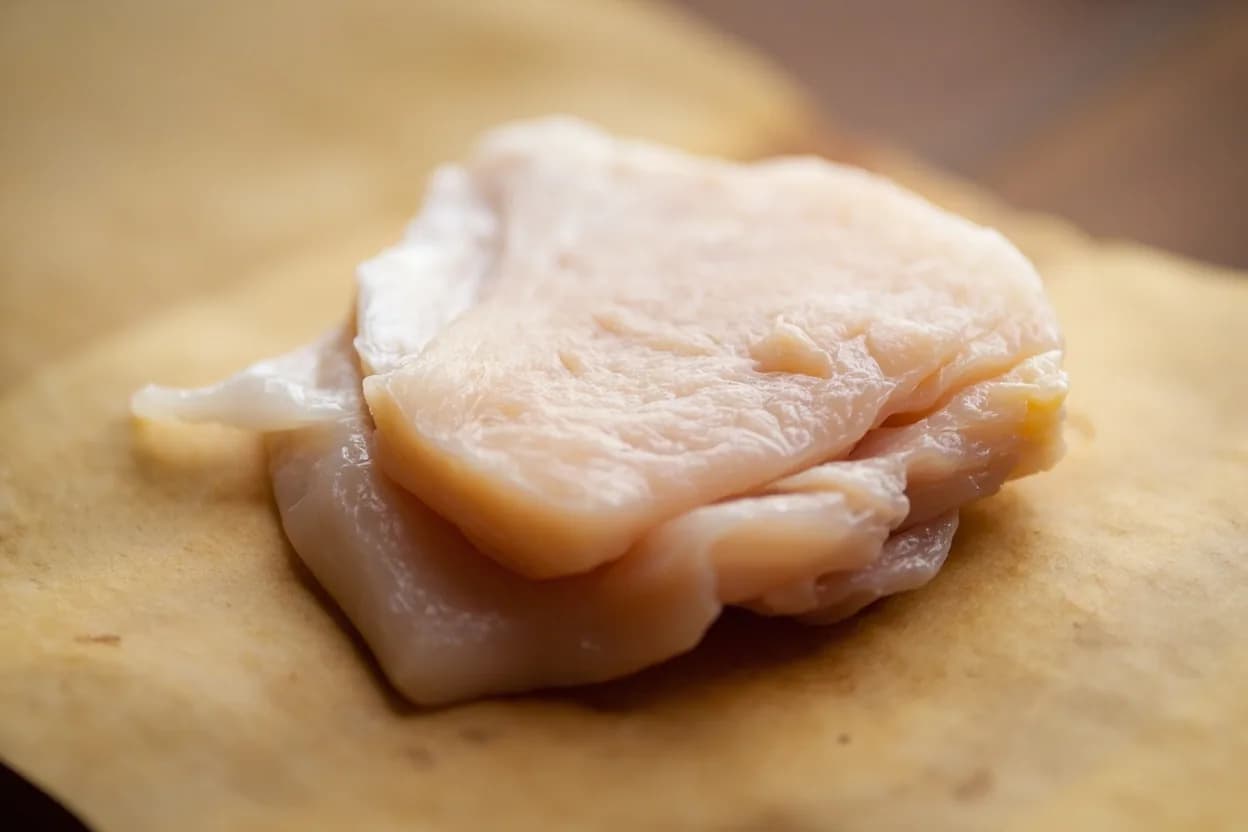
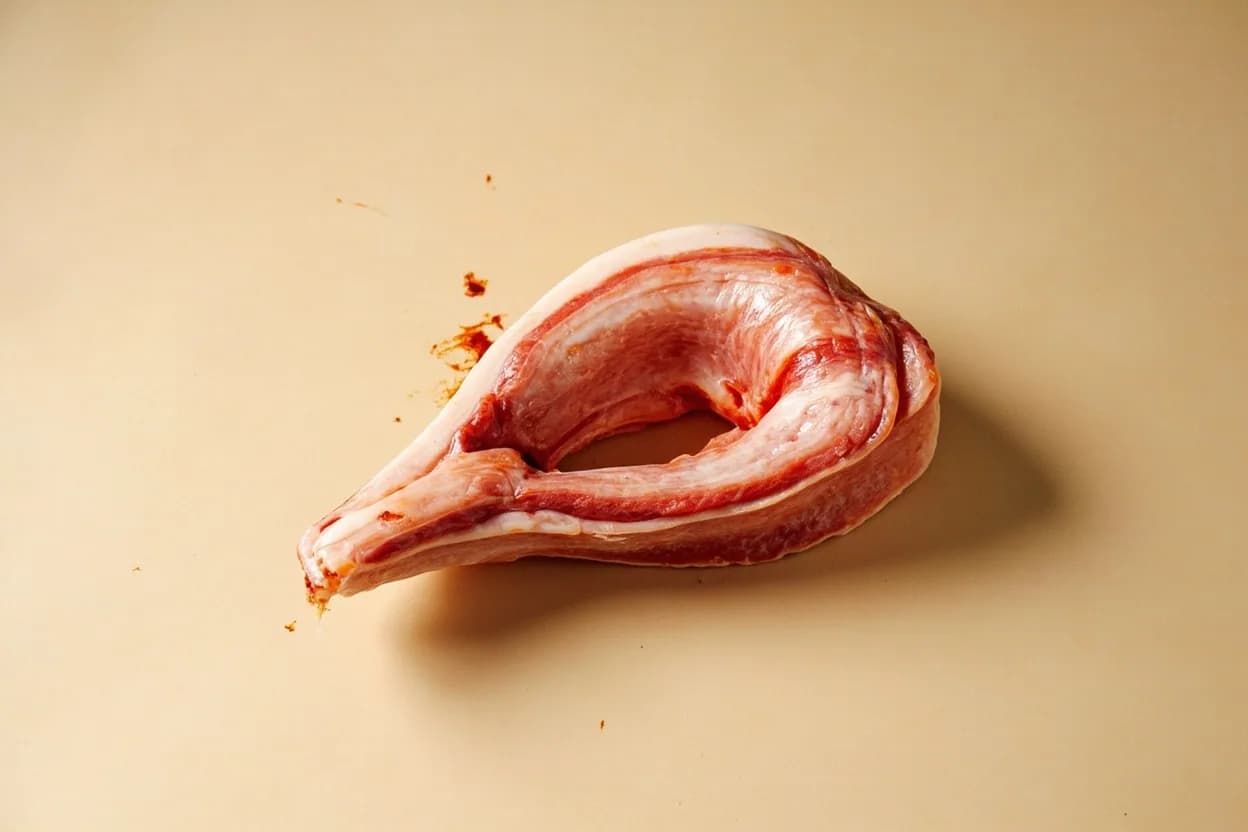
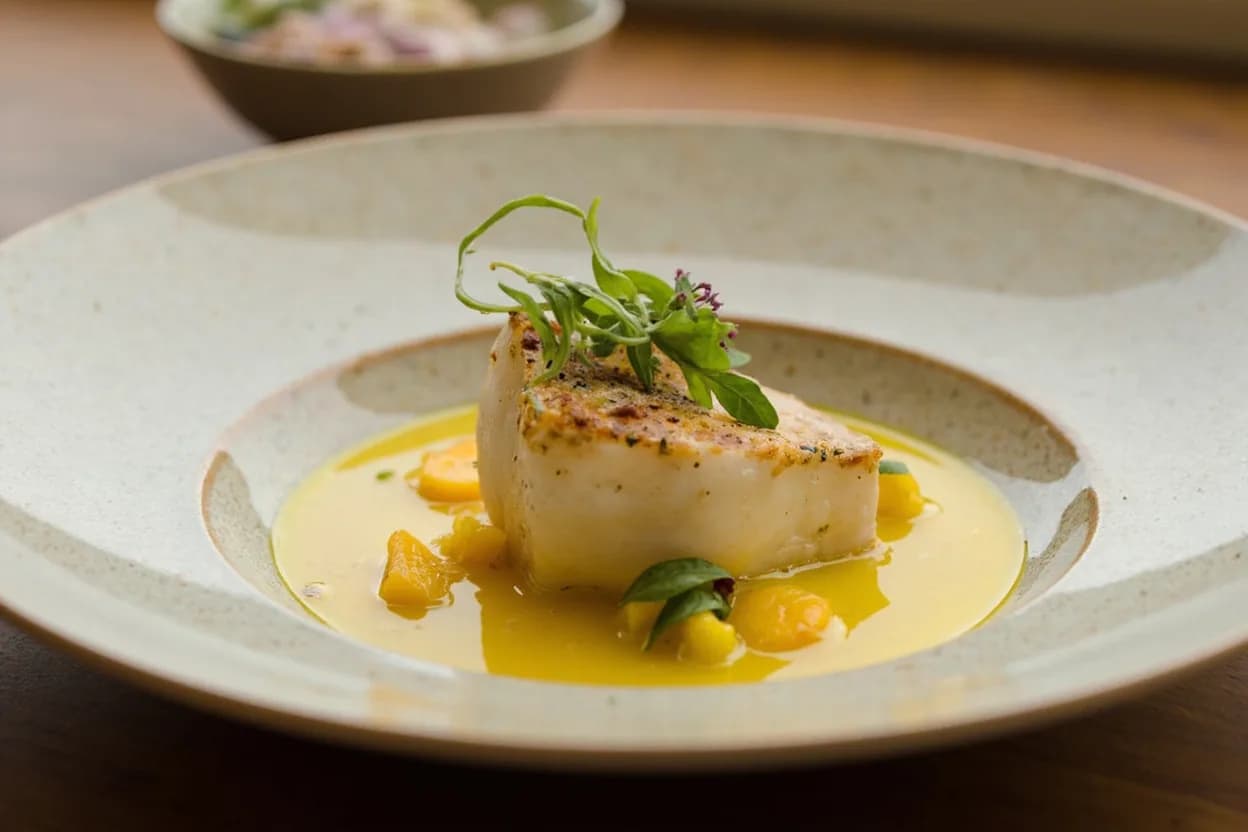
Kokotxas (pronounced ko-KO-chas; Spanish spelling: cocochas) are small, roughly triangular cuts of meat taken from the chin and throat of Atlantic cod (Gadus morhua) or hake (Merluccius merluccius). Each fish yields two kokotxas — one from each side of the chin — each weighing roughly 30–60 g. The muscle is fleshy and moist, edged with a thick fringe of natural collagen and gelatin. This gelatin, released during cooking with gentle heat and oil, spontaneously emulsifies into the pil-pil sauce — one of Basque cuisine's most technically sophisticated preparations — without the addition of cream, butter, or egg. Kokotxas are considered the most prized single cut in Basque fish butchery, more valuable per kilogram than any fillet from the same fish.
In photos
Where it comes from
The chin and throat of large Atlantic cod or European hake. The kokotxa sits in the V-shaped depression immediately below and behind the lower jaw. To extract it: hold the head ventral side up, insert a thin flexible knife at the front of the jaw notch, and cut in an arc following the jaw line on each side; the kokotxa falls free as a flap of flesh still attached at the center by a thin strip of connective tissue. The surrounding skin and gelatin fringe must be left intact — it is the entire point of the cut.
Best for
How to cook it
- 1If using salt-cured bacalao kokotxas: soak in cold water 24–36 h with 3–4 water changes, tasting until pleasantly seasoned. Pat dry.
- 2For pil-pil: choose a low, wide earthenware cazuela (the shape matters — it allows circular swirling without splashing).
- 3Place kokotxas skin-side up in the cazuela. Pour enough good olive oil to come halfway up the pieces. Add 2–3 crushed garlic cloves.
- 4Heat over very low flame — the oil should barely shimmer, never bubble. 55–65 °C maximum. Poach 8–10 minutes until the gelatin begins to release as a white, viscous liquid into the oil.
- 5Remove from heat. Begin swirling the cazuela gently in circles — or use a fine mesh strainer to agitate the contents in a circular motion. The gelatin and oil will begin to emulsify into a white, creamy sauce within 3–5 minutes of sustained circular motion.
- 6Return briefly to the lowest heat if the sauce cools too much. The emulsion is ready when the sauce coats the back of a spoon and is opaque white-gold.
- 7For salsa verde version: after poaching, add white wine, fish stock, and parsley; the gelatin from the kokotxas thickens the green sauce naturally.
Prep & butchery
- The gelatin fringe must remain intact — never trim the white skirt from around the kokotxa before cooking.
- Pat completely dry if using salt cod kokotxas; excess surface moisture disrupts the pil-pil emulsion.
- Cazuela size and shape are not trivial: a pan too small concentrates heat and overcooks; too large and the oil-gelatin ratio is wrong for emulsification.
- The circular swirling motion for pil-pil requires patience — 5–7 minutes of sustained movement. Some Basque cooks use a strainer basket; others swirl the cazuela by hand. Neither blending nor whisking produces the same result.
- If the pil-pil breaks (oil and gelatin separate), add a few drops of very cold fish stock and resume circular motion.
Substitutes
- Cod cheeks (larger, boneless head-cheek portion)
The round muscle behind the eye rather than the chin; less gelatin, still delicate; requires shorter cooking.
- Monkfish cheeks
Firmer and less gelatinous; lacks the pil-pil-forming collagen but excellent grilled or sautéed.
- Hake collar section
More gelatin and collagen than body fillets; a reasonable substitute in stews when kokotxas are unavailable.
Related cuts
- Salt cod lomo (bacalao thick loin)
The premium fillet cut from the same fish; less gelatinous but the staple of pil-pil's supporting preparations.
- Cod cheek (mejilla)
The round muscle behind the eye socket; same fish, different anatomical section; good in fritters or sautés.
- Hake fillet (merluza en salsa verde)
The body fillet that appears in the same green-sauce tradition; less gelatin but similar flavor profile.
Appears in
References
- 1.The Basque Kitchen, Gerald Hirigoyen, HarperCollins
- 2.Cocina Vasca, Martín Berasategui, Montagud Editores
- 3.Made in Spain, José Andrés, Clarkson Potter
- 4.On Food and Cooking, Harold McGee, Scribner (on collagen emulsification)
Confidence: high
Notes
The pil-pil science
Pil-pil is one of the few classical sauces built entirely from a fish's own structural proteins. The collagen in kokotxas (and their skin) is soluble Type I collagen that dissolves into gelatin at sustained temperatures of 55–65 °C. When this gelatin disperses into warm olive oil and is agitated, the gelatin molecules act as emulsifiers — their partially hydrophobic structure allows them to bridge water-based gelatin and oil-based fat, creating a stable oil-in-water emulsion. No additional emulsifiers are needed. The technique was almost certainly discovered empirically by Basque fishermen, who noticed that slowly heated salt cod produced a thick, creamy sauce in the pan when the vessel was rocked.
Basque butchery hierarchy
In the Basque Country (both Spanish and French sides), fish butchery assigns economic value not primarily by fillet yield but by internal cut rarity. Kokotxas from a single large bacalao are tiny relative to the whole fish — at most 80–100 g — yet command prices per kilogram that dwarf the loins. A skilled Basque monger extracts them as a routine part of fish breakdown; in other European traditions they are often discarded with the head.