Charcuterie & Cured Meat Cuts
Molida de Res — Ground Beef Coarseness
Also: molida de res, carne molida, Mexican ground beef, molida gruesa, molida fina
Mexican ground beef calibrated for loose, savoury picadillo and taco fillings — coarser than American hamburger grind to preserve crumble texture and absorb salsa without becoming paste.
Molida de res is the Mexican tradition of ground beef prepared specifically for cooked, loose applications rather than formed patties. The defining characteristic is coarseness: a single pass through a 6–8 mm die plate produces the large, irregular crumbles that are essential for picadillo, taco meat, and empanada filling. A double grind through a 4.5 mm die is reserved for smoother applications like stuffed chiles or hamburgers, but the single coarse grind is the default for taquería use. The fat-to-lean ratio is typically 80/20 (paleta — chuck-equivalent) or 75/25 (costilla — rib trim), which ensures the crumbles brown and sear rather than steam in their own moisture.
In photos
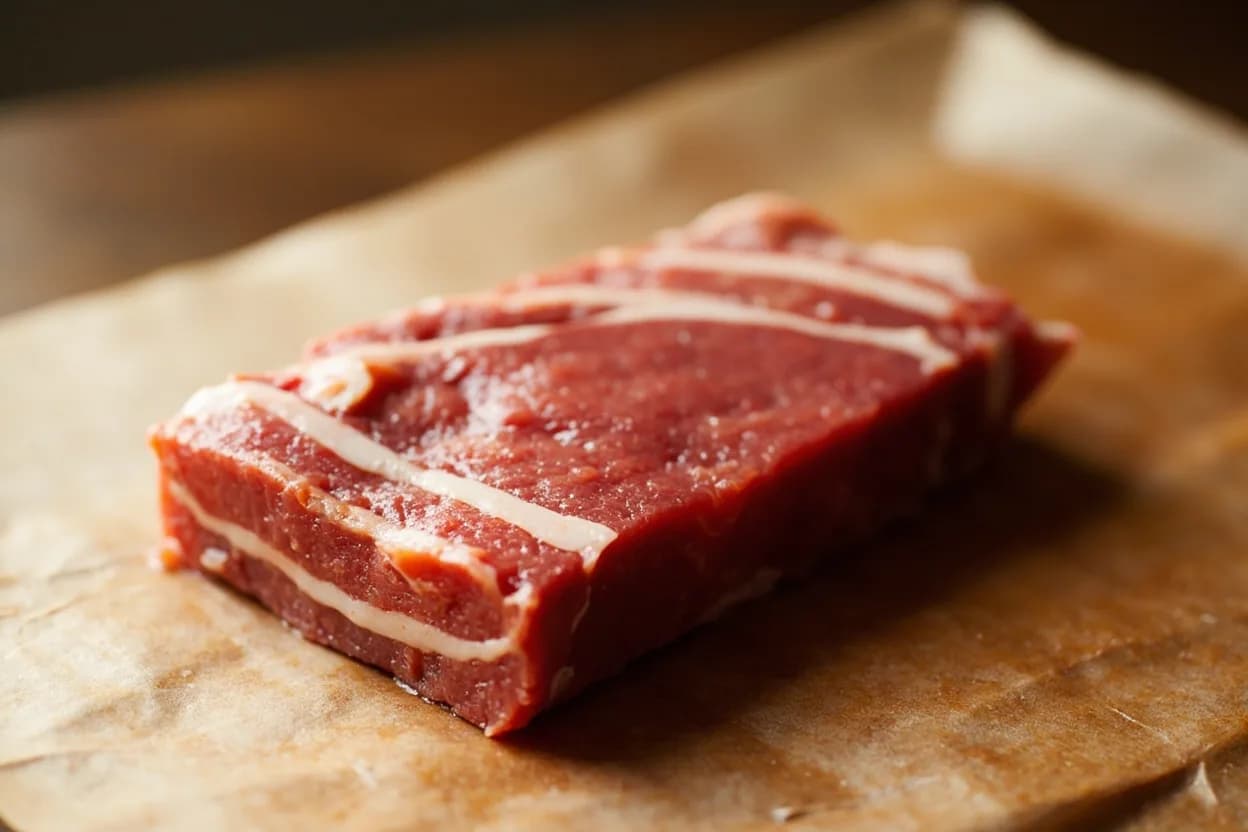
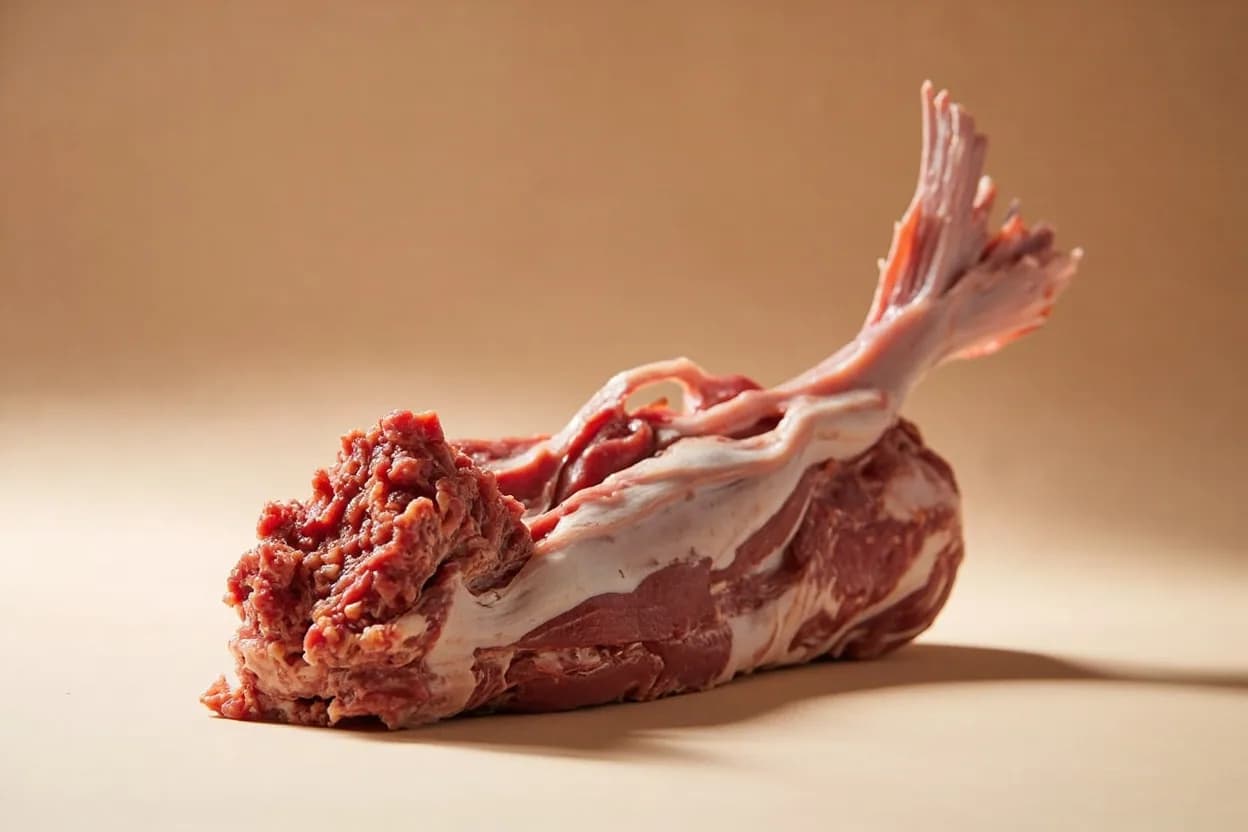

Where it comes from
Primarily from paleta (shoulder/chuck) and costilla (rib) trimmings. Mexican butchers (carniceros) traditionally grind to order, allowing customers to specify the cut and coarseness. Supermarket molida uses the same trim hierarchy but is pre-ground.
Best for
How to cook it
- 1Heat a heavy pan (comal, cazuela, or cast iron) over high heat until just smoking before adding the molida — a cold pan leads to steaming rather than browning.
- 2Add the molida in a single layer; do not stir for 2–3 minutes to allow a crust to form on the bottom crumbles before breaking apart.
- 3Once browned, break the crumbles apart with a wooden spoon or spatula; the irregular texture of a coarse grind means crumbles self-separate — do not over-work.
- 4Season with salt, cumin, and black pepper at this stage before adding aromatics.
- 5Add diced white onion and garlic; cook until translucent, then add chopped tomato or a blended salsa roja.
- 6Simmer on medium-low, partially covered, for 15–20 minutes; the sauce should reduce to coat the crumbles, not pool around them.
- 7For picadillo, add diced potato (pre-boiled), olives, and raisins in the last 5 minutes of cooking.
Prep & butchery
- If grinding at home, cube chuck and chill to 4°C before grinding to prevent fat smearing.
- A single pass through a 6 mm die is sufficient; do not re-grind for taquería applications.
- Drain rendered fat if health considerations require it, but doing so sacrifices the flavour base for the sofrito that follows.
Substitutes
- American 80/20 ground chuck (double-grind)
Functional but finer textured; will work but produces a softer, less distinct crumble — avoid triple-grind supermarket mince.
- Hand-chopped beef (picado a cuchillo)
Traditional in high-end taquerías; the knife-cut cubes are even coarser than a 6 mm grind, with maximum texture and chew.
- Ground pork (cerdo molido)
Used in mixed applications (pork-and-beef picadillo); slightly higher fat content and softer texture.
Related cuts
Parallel grind-coarseness discipline applied to lamb in South Asian tradition; same principle of die-plate size controlling texture and binding behaviour.
- Beef Chuck (Paleta)
The source primal; 80/20 fat distribution from the shoulder is the functional basis of molida de res.
- Carne Para Guisar
Cubed beef used in stews; related in sourcing (chuck/shoulder) but not ground — a coarser-still alternative.
Appears in
References
- 1.Authentic Mexican: Regional Cooking from the Heart of Mexico — Rick Bayless & Deann Groen Bayless
- 2.Mexico: The Cookbook — Margarita Carrillo Arronte
- 3.My Mexico City Kitchen — Gabriela Cámara
- 4.The Art of Beef Cutting — Kari Underly
Confidence: high
Notes
The carnicería grind-to-order culture
In Mexican markets and neighbourhood carnicerías, molida de res is typically ground on demand from the cut the customer selects. Ordering molida de paleta (shoulder) versus molida de costilla (rib) produces meaningfully different results: shoulder gives a leaner, beefier crumble; rib is richer and softer. Many carniceros will also grind a customer-specified blend. This grind-to-order tradition means the cut is always freshly processed — an advantage in texture and safety that pre-packaged supermarket mince cannot match.
Single vs double grind for different dishes
The taquería default is a single pass at 6–8 mm. A second pass at 4.5 mm is appropriate when the molida is destined for chiles rellenos (where a finer texture fills the pepper more evenly and parcels are served whole) or for hamburguesas (burger patties), where cohesion matters more than crumble. The double-grind version should never be used for picadillo — it collapses into a paste that cannot absorb salsa without turning the filling muddy.