Seafood & Shellfish Breakdown
Prawn / Shrimp — Devein & Butterfly Cut
Also: butterfly shrimp, deveined prawn, split shrimp, ventral butterfly
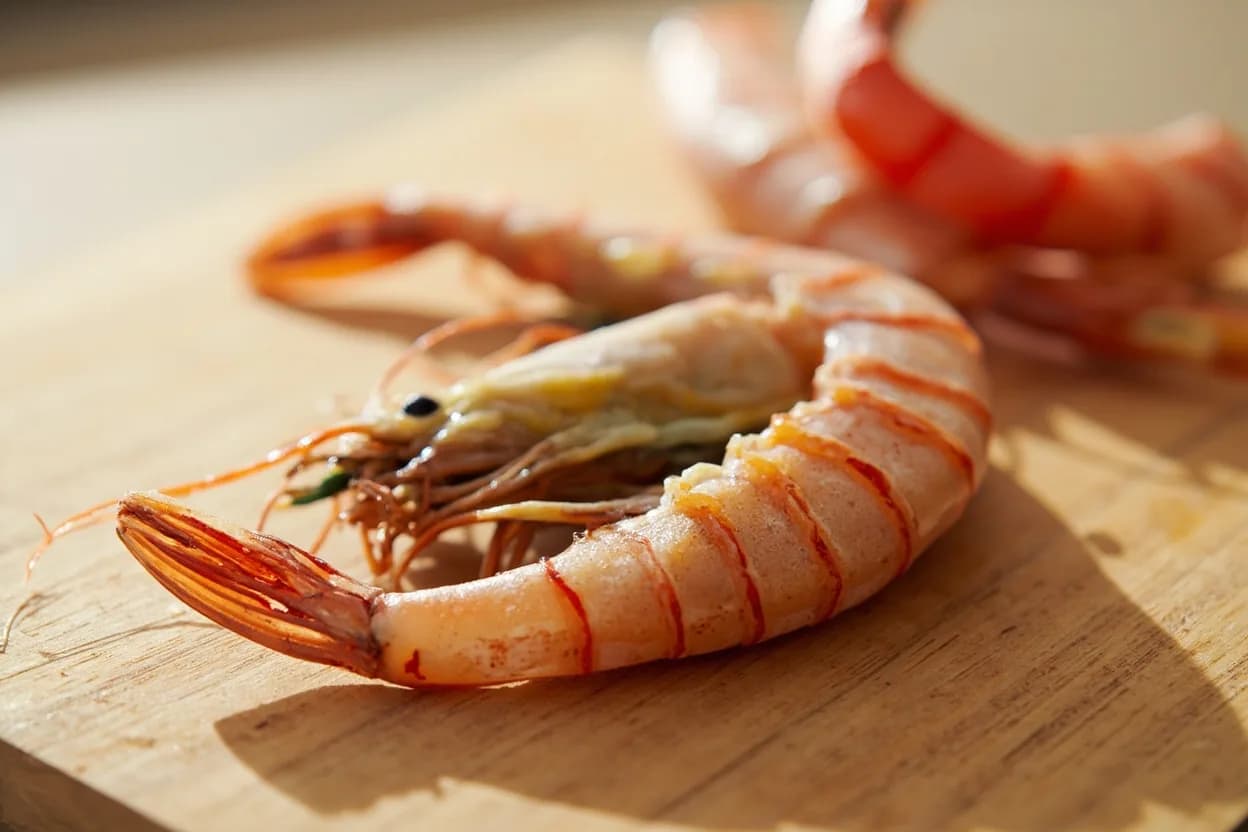
The foundational shellfish prep: removing the dark digestive tract and optionally splitting the prawn ventrally so it opens flat for even cooking, visual impact, and classic dim sum wrappers.
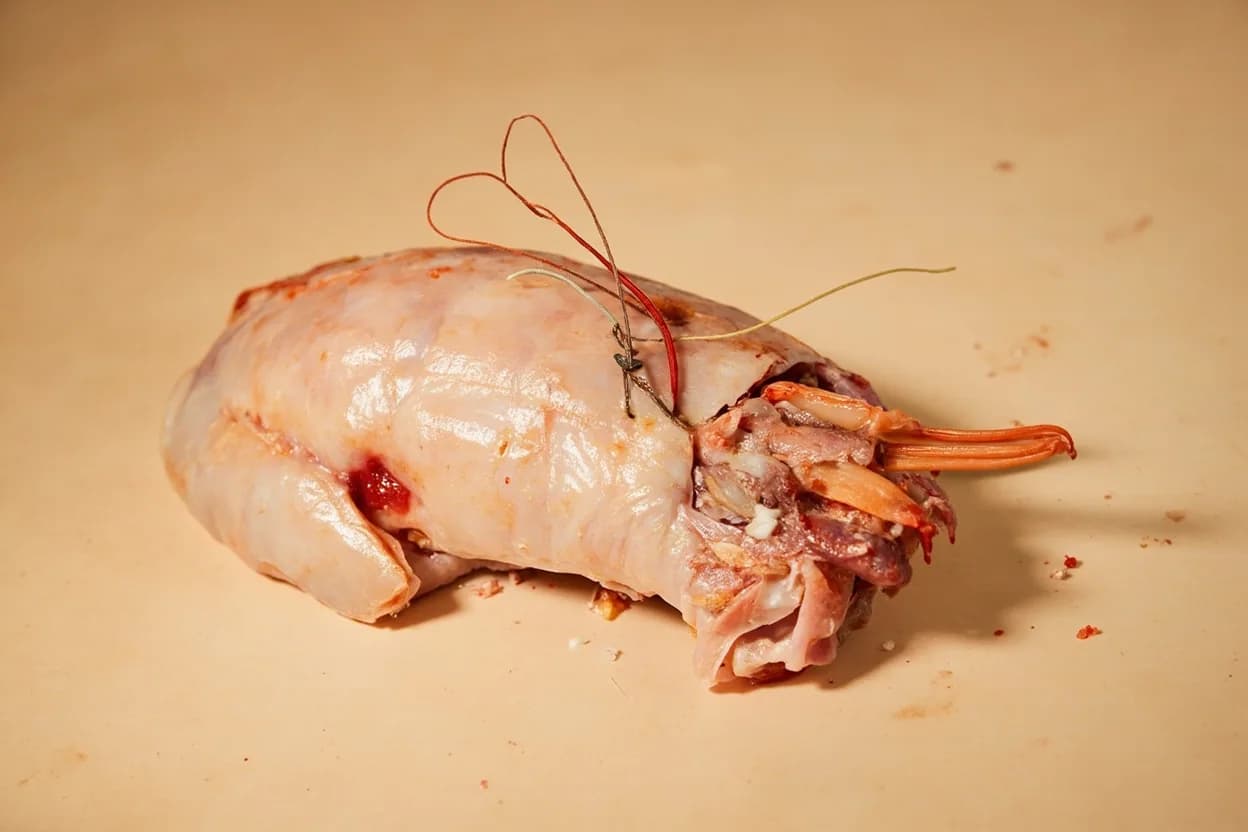
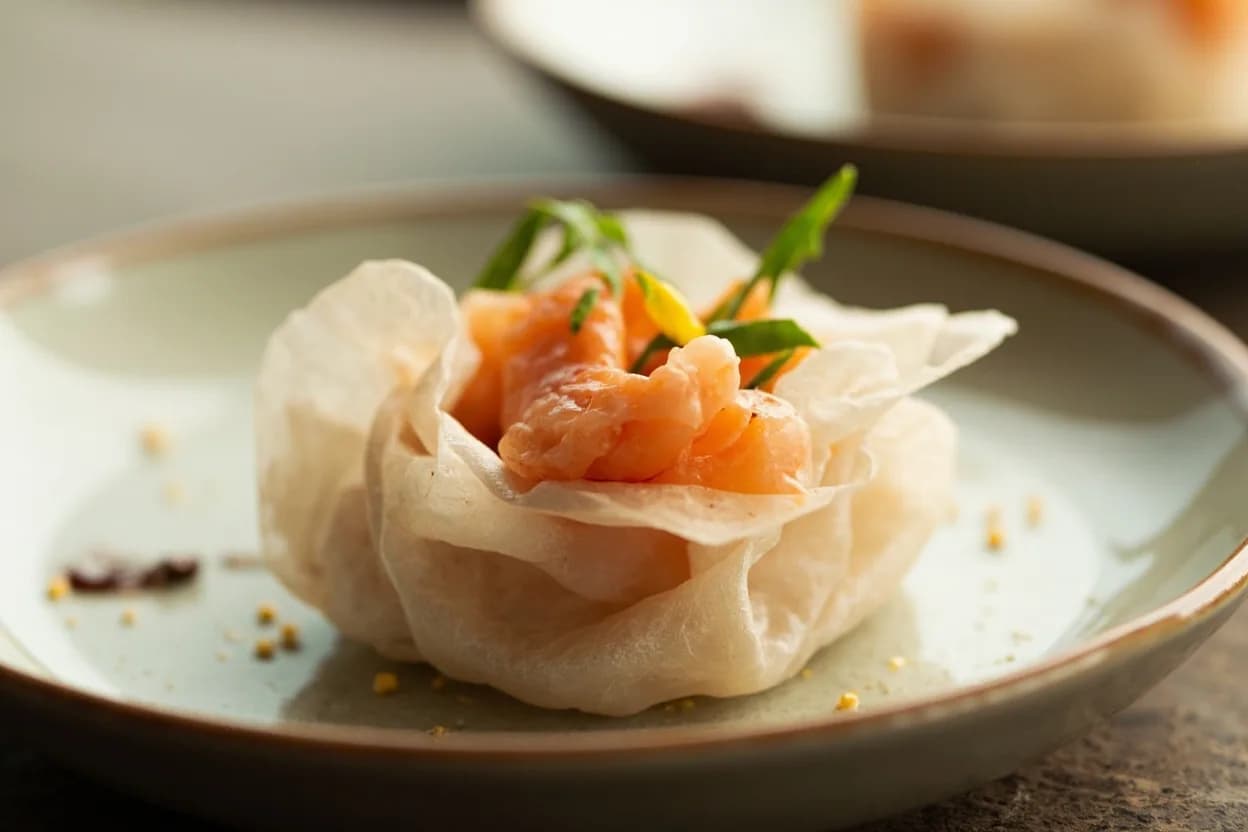
Deveining is the removal of the prawn's primary digestive tract — a dark alimentary canal running along the dorsal (back) side of the tail meat. It is removed for palatability (the tract can contain sand and impart bitterness) and presentation. The butterfly cut goes further: after deveining, the prawn is split along its ventral (belly) face nearly all the way through, then opened flat like a book. This creates a wider, thinner profile that cooks faster, curls into a symmetrical fan shape, and functions as the vehicle for fillings in dishes such as dim sum har gow and Japanese ebi furai.
In photos
Where it comes from
The tail section of penaeid or caridean shrimp and prawns (Penaeus vannamei, Penaeus monodon, Litopenaeus setiferus, and similar species). The 'vein' is the hepatopancreas-connected midgut, visible as a dark line running the length of the tail when the shell is removed or when a dorsal incision is made.
Best for
How to cook it
- 1Shell-off devein: peel the shell by pinching and removing from the head end, leaving tail fins attached if desired. Lay the prawn on its side, make a shallow incision (2–3 mm deep) along the entire dorsal curve with the blade tip, then lift and pull out the dark tract with the knife tip or a toothpick.
- 2Shell-on devein: insert a toothpick or skewer between the second and third shell segments on the dorsal side; hook and pull the vein up through the gap without removing the shell.
- 3Butterfly cut: after peeling and deveining, lay the prawn ventral (flat) side up. Make a lengthwise incision from head to tail along the belly crease, cutting almost through — leave 3–4 mm of flesh connecting the two halves at the back. Open the prawn flat with gentle thumb pressure.
- 4For tempura: after butterflying, make 4–5 shallow transverse score cuts on the inner (now-exposed) face of each half to sever the connective tissue that causes curling; press the prawn flat on the board.
- 5Har gow prep: butterfly, then gently pound each half flat with the broad side of a cleaver to extend and thin the meat uniformly before wrapping.
- 6Season deveined prawns immediately before cooking — salt draws moisture; extended presalting toughens the meat.
Prep & butchery
- Use a small paring knife or a dedicated deveining tool with a curved blade tip for efficiency on large volumes.
- Keep prawns over ice during prep — even 10 minutes at room temperature begins to soften the flesh.
- The secondary 'vein' running along the belly (the ventral nerve cord) is white and odourless; it is typically harmless but can be removed with the butterfly incision for a cleaner appearance.
- For shell-on grilling, use scissors to snip along the dorsal midline through the shell, then lift the vein without detaching the shell — this is faster than knife deveining at the grill station.
- Dry thoroughly after deveining and butterflying; excess surface moisture prevents browning in pan and wok applications.
Substitutes
- Langoustine tail (whole)
Similar size and sweetness; devein via dorsal incision; not suitable for butterfly in most preparations due to thicker, more rigid shell.
- Sea scallop
No deveining required; a flat coin shape achieves some of the same surface-area-to-volume cooking dynamic as a butterflied prawn.
- Lobster tail (split)
Equivalent ventral split technique at larger scale; shares the presentation-fan logic.
Related cuts
- Prawn — peel and devein (standard)
Simpler prep without the butterfly split; used when shape is less critical.
- Squid tube score
Similar logic of scoring seafood to control curl and increase surface area during wok cooking.
- Lobster tail split
Analogous ventral split at large crustacean scale for grilling and broiling.
Appears in
References
- 1.The Food Lab — J. Kenji López-Alt
- 2.The Wok: Recipes and Techniques — J. Kenji López-Alt
- 3.Complete Techniques — Jacques Pépin
- 4.Dim Sum: The Art of Chinese Tea Lunch — Ellen Leong Blonder
Confidence: high
Notes
Does deveining change flavour?
The digestive tract of a fresh prawn from clean water is minimally flavourful and not harmful to eat; in supermarket prawn it rarely contains anything visible. The argument for deveining is textural and visual rather than safety-critical. However, in large specimens (16/20 count and larger) the tract is more substantial and can carry grit or contribute bitterness — deveining is strongly recommended at that size.
Tail retention etiquette
Tail-on serves as a handle for tempura, cocktail shrimp, and grilled presentations, and signals 'fresh prep' at a glance. Tail-off is correct for pasta sauces, risotto, and tacos where the tail impedes eating. Stir-fries traditionally go tail-on in restaurant service (visual signal) but home cooks often remove tails for convenience.
Butterfly vs straight devein for har gow
Classic Cantonese har gow uses a combination approach: the prawn is butterflied, then one or two whole deveined prawns are added on top depending on the wrapper size and house style. The butterfly prawn flattens against the bottom of the wrapper while the whole prawn gives height and visual presence through the translucent skin after steaming.