Offal & Variety Meats
Shaki (Tripe) — Cleaning & Cutting Technique
Also: shaki, honeycomb tripe, blanket tripe, cow stomach
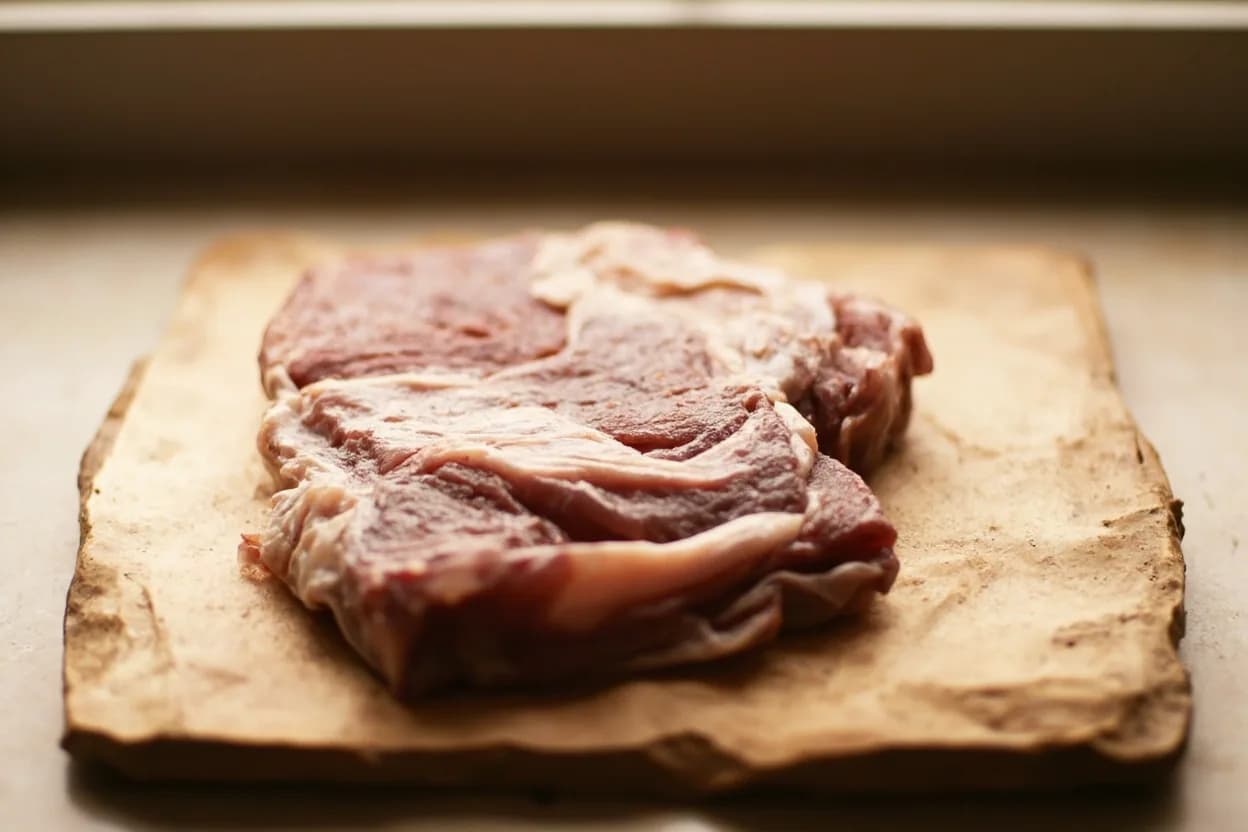
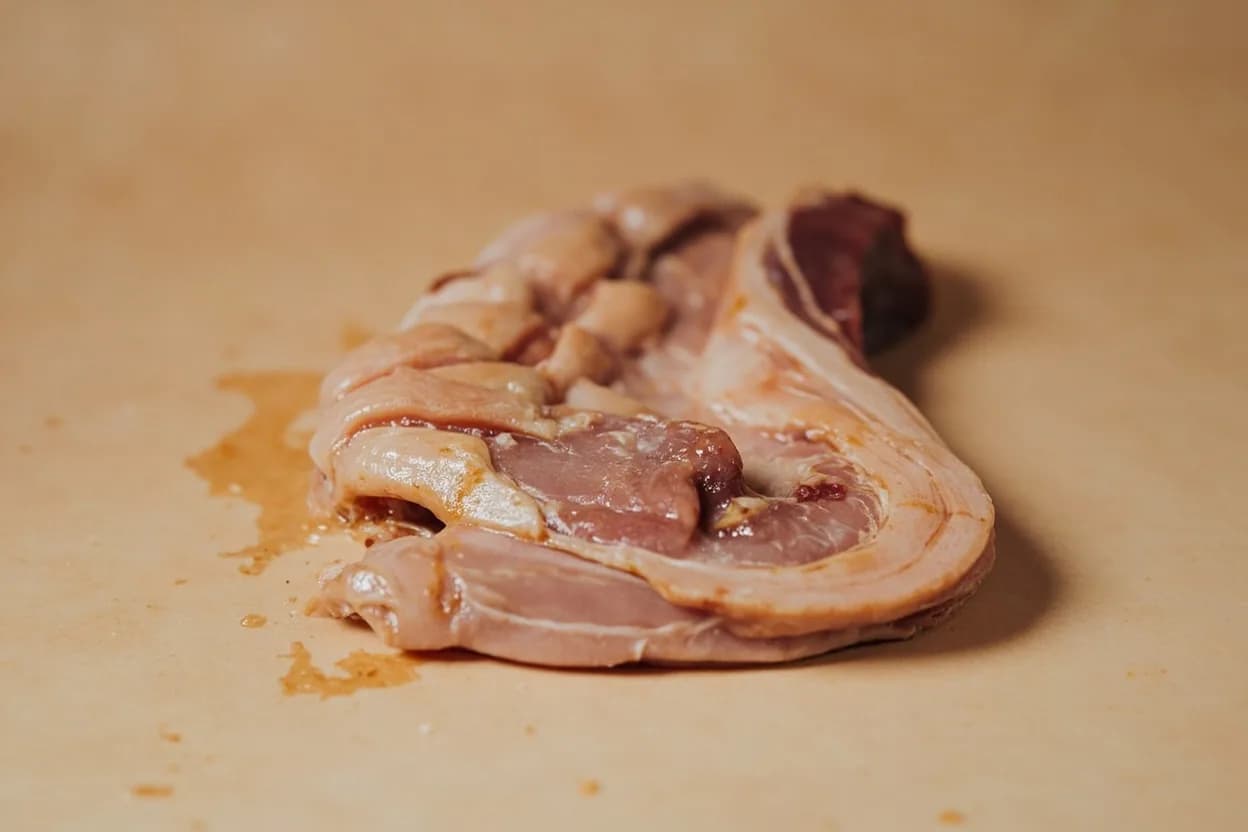
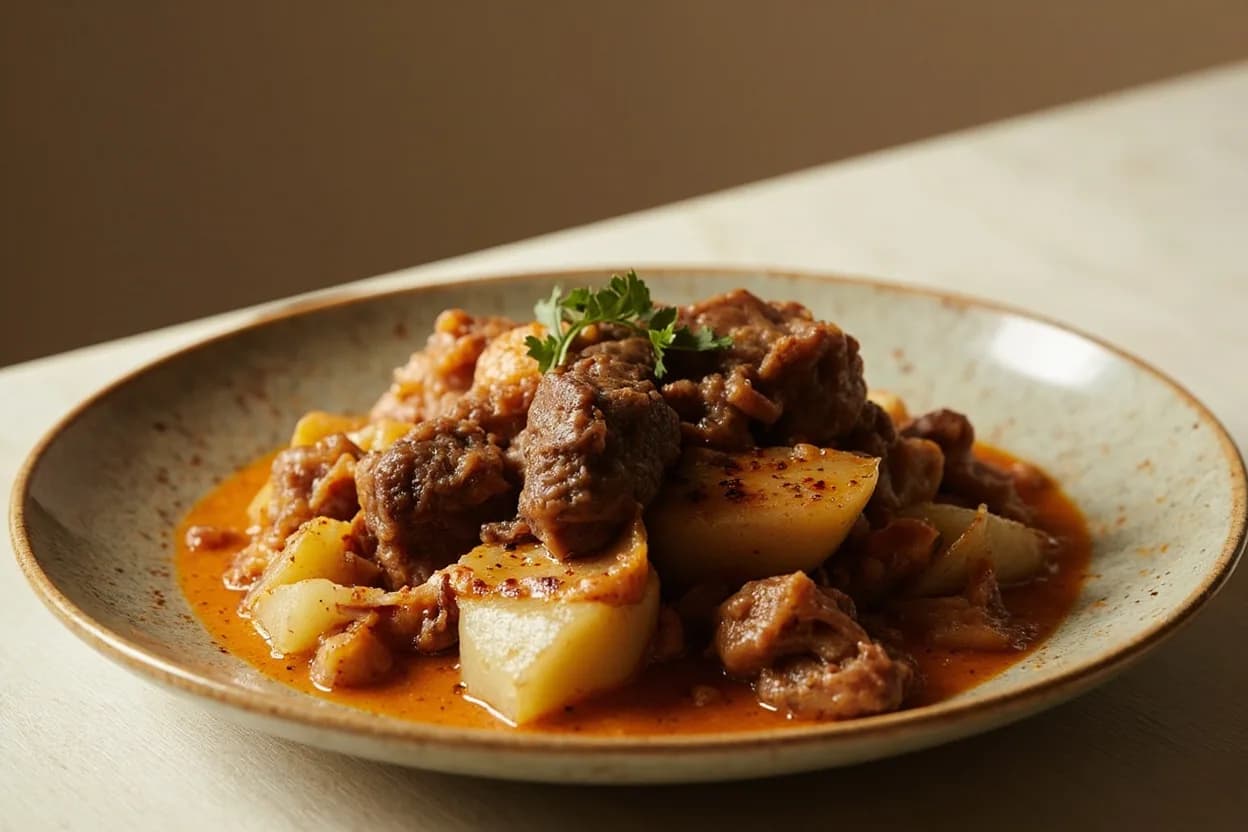
Meticulously cleaned and cut honeycomb or blanket tripe, a cornerstone ingredient in West African pepper soup and assorted-meat stews.
Shaki refers to the stomach lining of a cow — most commonly the reticulum (honeycomb tripe) or rumen (blanket tripe). In West African cookery, the cleaning process is as important as the cut: the mucous lining must be scraped away, the texture rinsed in multiple waters, and the tripe cut into strips or squares calibrated to the dish. Honeycomb tripe is the preferred grade in Nigeria for its delicate texture; blanket tripe is thicker, chewier, and requires longer cooking.
In photos
Where it comes from
Bovine stomach: the reticulum (second stomach chamber, honeycomb pattern on the inner surface) or the rumen (first and largest chamber, blanket-smooth interior).
Best for
How to cook it
- 1Rinse raw tripe under cold running water, pulling away any visible fat or membrane from the outer surface.
- 2Rub the inner (honeycomb) surface vigorously with coarse salt and a cut lime or lemon half; this lifts mucous and neutralises odour — rinse thoroughly.
- 3Scrape the inner lining with the flat of a knife held at a low angle, working in short strokes, until the surface feels smooth and no slippery residue remains.
- 4Blanch in boiling unsalted water for 5 minutes, discard the water, rinse again — the water will be milky and odorous.
- 5Cut into strips approximately 2 cm wide and 4–5 cm long (for soups), or into 3–4 cm squares (for stews). Cut with scissors or a heavy knife — the texture resists a light blade.
- 6Parboil in a fresh pot with onion, ginger, and seasoning for 30–45 minutes until tender enough to yield when pressed; it will finish cooking in the soup.
Prep & butchery
- Buy pre-cleaned (pre-scalded) tripe when possible — it has had the outer mucous layer removed and cuts preparation time significantly.
- If the tripe has a strong ammonia smell, a second salt-and-lime scrub followed by a vinegar rinse (1:4 vinegar:water) is effective.
- Scissors outperform a chef's knife on raw tripe, which is elastic and slips under the blade.
- Pre-cooked strips can be portioned and frozen; they absorb sauce better from frozen than from cold refrigerator.
Substitutes
- Ponmo (cow skin)
Equally chewy and collagen-rich; common swap in the same soups — many recipes use both.
- Lamb tripe
Smaller, more tender, cooks faster; substitute 1:1 in pepper soup.
- Beef tendon
Provides similar chew and gelatin without the stomach character; suitable for non-offal eaters.
Related cuts
Paired with shaki in virtually every assorted-meat (assorted offal) combination.
- Beef Intestine (round)
Another stomach-region offal often combined with shaki in Nigerian soups.
- Liver (Beef) — Cubing
Fast-cooking organ sold alongside shaki in the same market sections.
Appears in
References
- 1.The Complete Nigerian Cookbook — Tayo Adeyemi
- 2.Eating from the Ground Up — Alana Chernila (on tripe technique generally)
- 3.Nose to Tail Eating — Fergus Henderson
- 4.African Recipes and Techniques — Joël Robuchon (West Africa section)
Confidence: high
Notes
Honeycomb vs. blanket
Nigerian markets typically sell honeycomb (reticulum) as premium shaki and blanket (rumen) as a cheaper grade. Honeycomb's folded surface soaks up sauce twice as fast; blanket tripe is tougher and benefits from an extra 20 minutes in the parboil.
Colour as doneness cue
Raw grey-white tripe that has turned uniformly cream and become slightly translucent at the fold edges is correctly cooked. If it still looks chalky-white and springs back firmly, it needs more time. Overcooked tripe turns mushy and loses its defining chew.