Offal & Variety Meats
Snail Preparation & Slicing
Also: igbin (Yoruba), eju (Igbo), nwa-oke-onu, African giant snail preparation
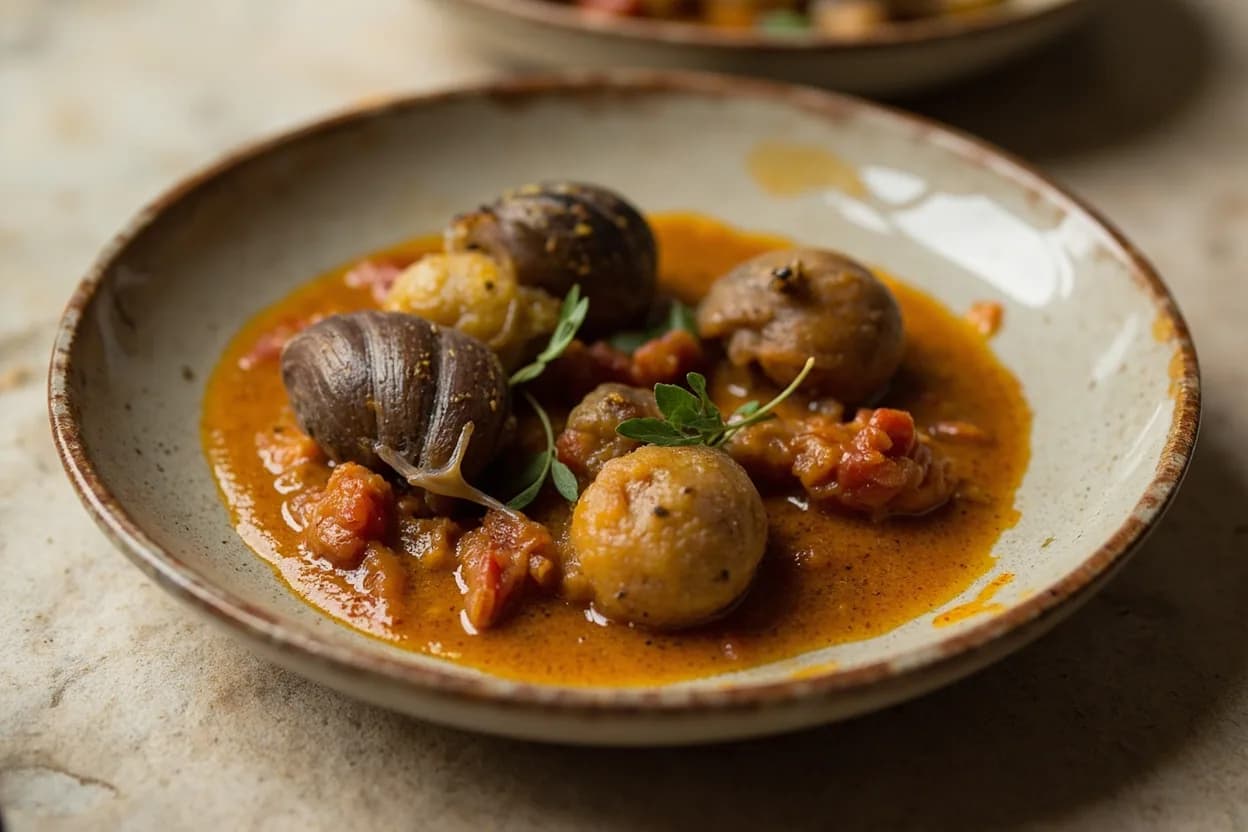
Extracting, defoaming, and slicing snail meat from its shell for West African pepper sauces and assorted stews.
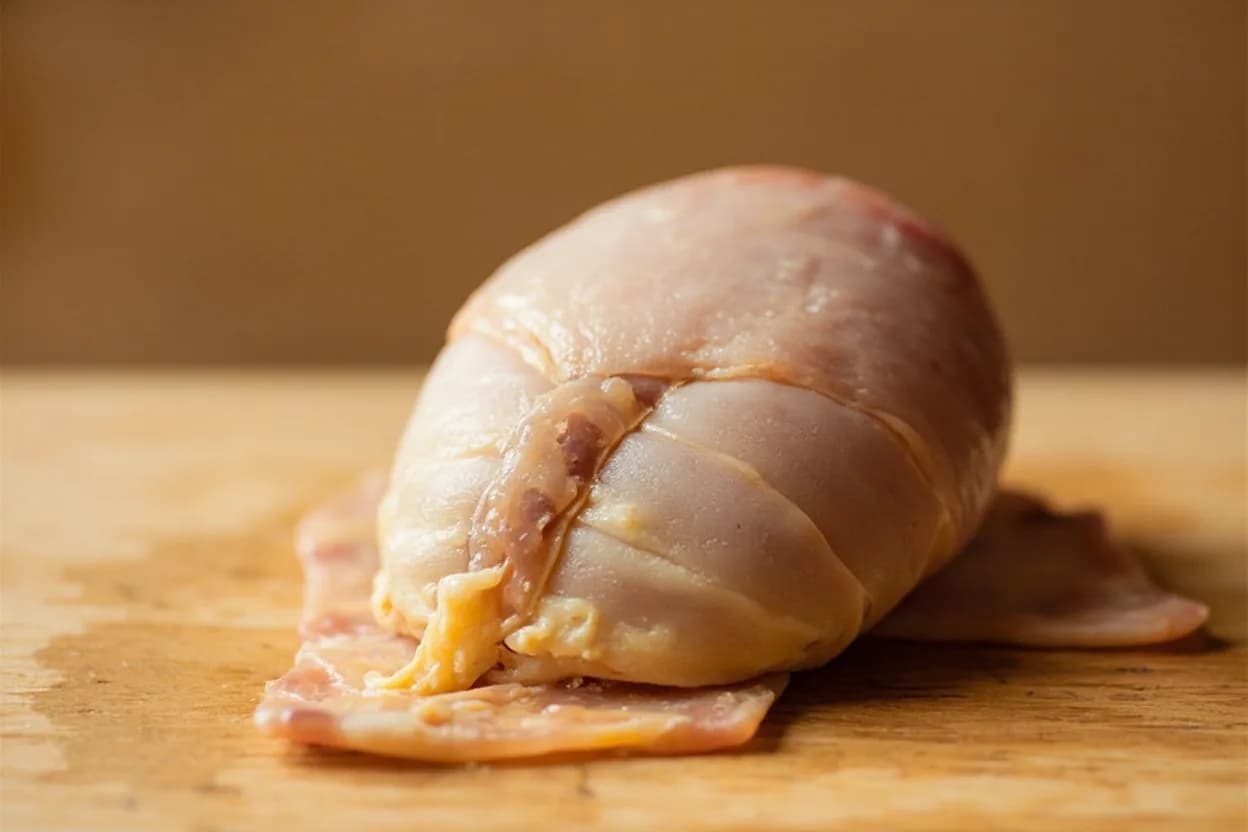
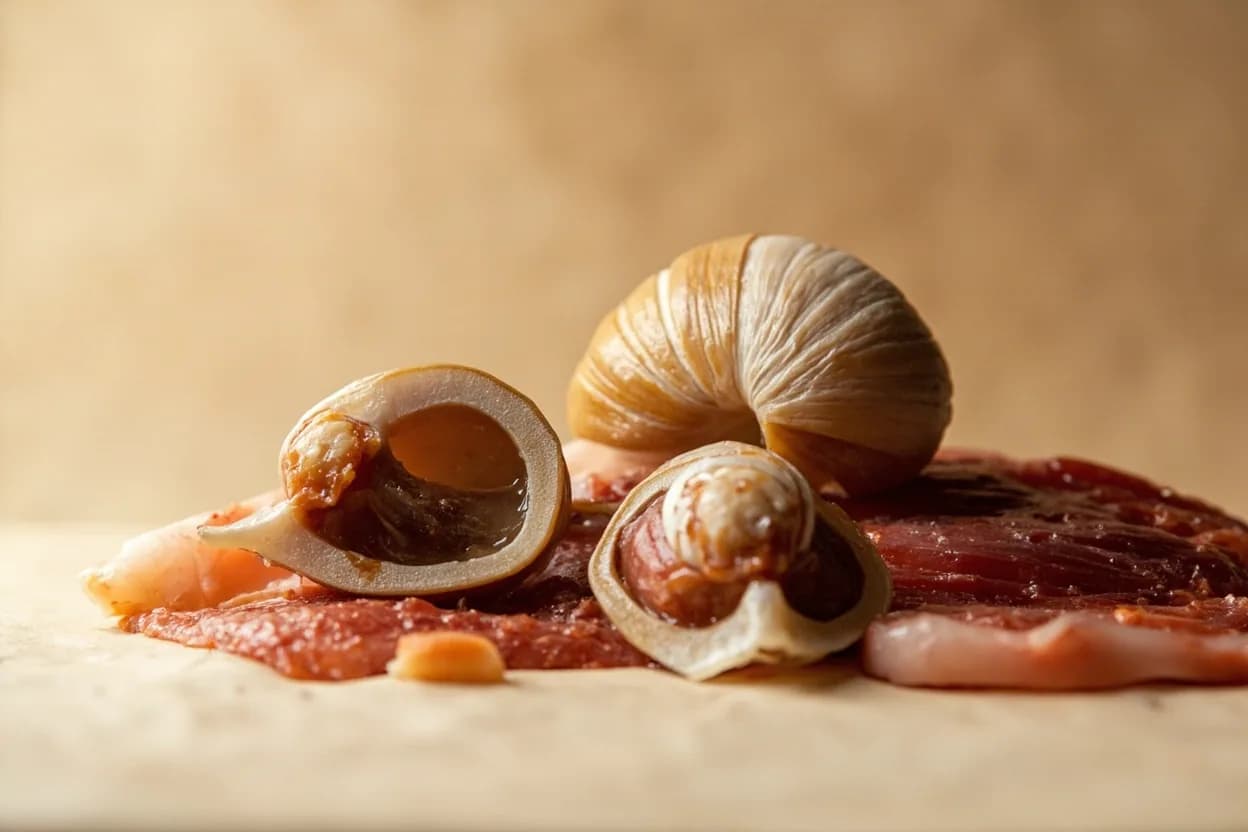
In West African cookery — particularly Nigerian and Ghanaian cuisines — the African giant land snail (Achatina achatina) is a prized protein. Preparation involves cracking and removing the shell, purging the snail's slime with salt and lime, removing the foot pad and dark visceral hump, then slicing the muscular foot into rounds or strips. The result is firm, pleasantly chewy meat that absorbs spice deeply.
In photos
Where it comes from
The foot (columellaris muscle) of the snail — the large, flat, locomotion muscle that extends from the shell opening — is the primary eating muscle. The visceral mass (digestive gland and organs) in the upper spiral is typically removed.
Best for
How to cook it
- 1Crack the shell by tapping the pointed apex sharply on a hard surface, then use a knife to break away shell fragments without piercing the meat below.
- 2Pull the snail from the shell; if it does not release easily, cut the columella muscle attachment with a thin knife inserted along the shell wall.
- 3Place the snail in a bowl; add 2–3 tablespoons of coarse salt and the juice of 1–2 limes. Massage vigorously for 2–3 minutes — the mucus will foam and increase dramatically.
- 4Rinse under running water and repeat the salt-lime purge once more until the surface is no longer visibly slimy.
- 5Identify and remove the visceral hump (the dark, spiral-shaped mass of organs at the top of the foot); cut it away cleanly at the base — most cooks discard it, though it is edible.
- 6Remove the hard, horny operculum (foot pad/door) if still attached.
- 7Slice the foot crosswise into rounds 5–8 mm thick, or lengthwise into strips for stews. For pepper sauce, rounds hold their shape better under aggressive frying.
- 8Parboil slices in water with onion and seasoning for 15–20 minutes before adding to the main sauce.
Prep & butchery
- Live snails should be fasted for 2–3 days before preparation to clear the digestive tract.
- A second shell-cracking method: boil the snail briefly (2 minutes) so the meat retracts; this makes extraction easier but slightly begins the cooking process.
- The lime-and-salt purge is non-negotiable — skipping it leaves a slimy sauce that even dedicated snail enthusiasts find unpleasant.
- Frozen pre-cleaned snail meat (increasingly common in diasporic African grocery stores) can be sliced directly; defrost in the refrigerator, pat dry before cutting.
Substitutes
- Abalone (sliced)
Similar firm, chewy muscle character; widely available canned; substitute 1:1 in pepper sauce.
- Conch (sliced)
Caribbean analogue — very similar texture and neutral flavour base; pound before slicing for West African preparations.
- Oyster mushrooms (large)
Vegetarian substitute that mimics the chewy bite; does not provide the protein or mineral notes of snail.
Related cuts
- Abalone — Cutting & Tenderising
Structural parallel — both are large univalve foot muscles requiring slime or toughness management.
- Conch — Pounding & Slicing
Caribbean counterpart to the West African snail preparation tradition.
Appears in
References
- 1.Zoe's Ghana Kitchen — Zoe Adjonyoh
- 2.The Complete Nigerian Cookbook — Tayo Adeyemi
- 3.Deliciously Ella (African Snail preparation note)
- 4.FAO: Snails: Interest in Edible Land Snails (Gastropoda) in West Africa, FAO Fisheries & Aquaculture Technical Paper
Confidence: high
Notes
The slime problem
Snail mucin (the slime) is largely composed of glycoproteins and will not fully cook out — it must be mechanically removed with salt and acid before heat is applied. Insufficient purging results in a sauce with an unpleasantly thick, gelatinous coating that clings to the palate rather than the pleasantly spiced sauce the dish is meant to be.
Visceral mass: keep or discard?
The greenish-brown visceral hump contains the digestive gland, which can impart a slightly bitter, complex flavour when left in. Some experienced cooks in Yoruba cuisine deliberately retain a portion of it to add depth, but for newcomers the standard advice is to remove it entirely for a cleaner result.