Japanese Fish & Sashimi Cuts
Tataki-zukuri (Rough-Chopped Cut)
Also: tataki-zukuri, tatakizukuri, tataki cut, rough chop sashimi, namerō cut
A controlled rough chop that reduces fish to irregular, coarsely textured pieces — the foundation for namerō, okizuke, and bonito tataki sauces.
Tataki-zukuri (たたき造り) is a knife technique rather than a uniform geometric cut: the fish is first sliced into rough pieces, then the blade is rocked and drawn repeatedly through the pile in a controlled chopping and gathering motion until the flesh reaches a coarse, uneven mince. Unlike a fine mince or paste, tataki-zukuri preserves visible chunks interspersed with finely cut material — the resulting texture is rustic and assertive, designed to carry bold seasonings. The word tataki means 'pounded' or 'chopped', reflecting both the technique and its most famous context: katsuo no tataki (bonito that is first surface-seared, then sliced or chopped).
In photos
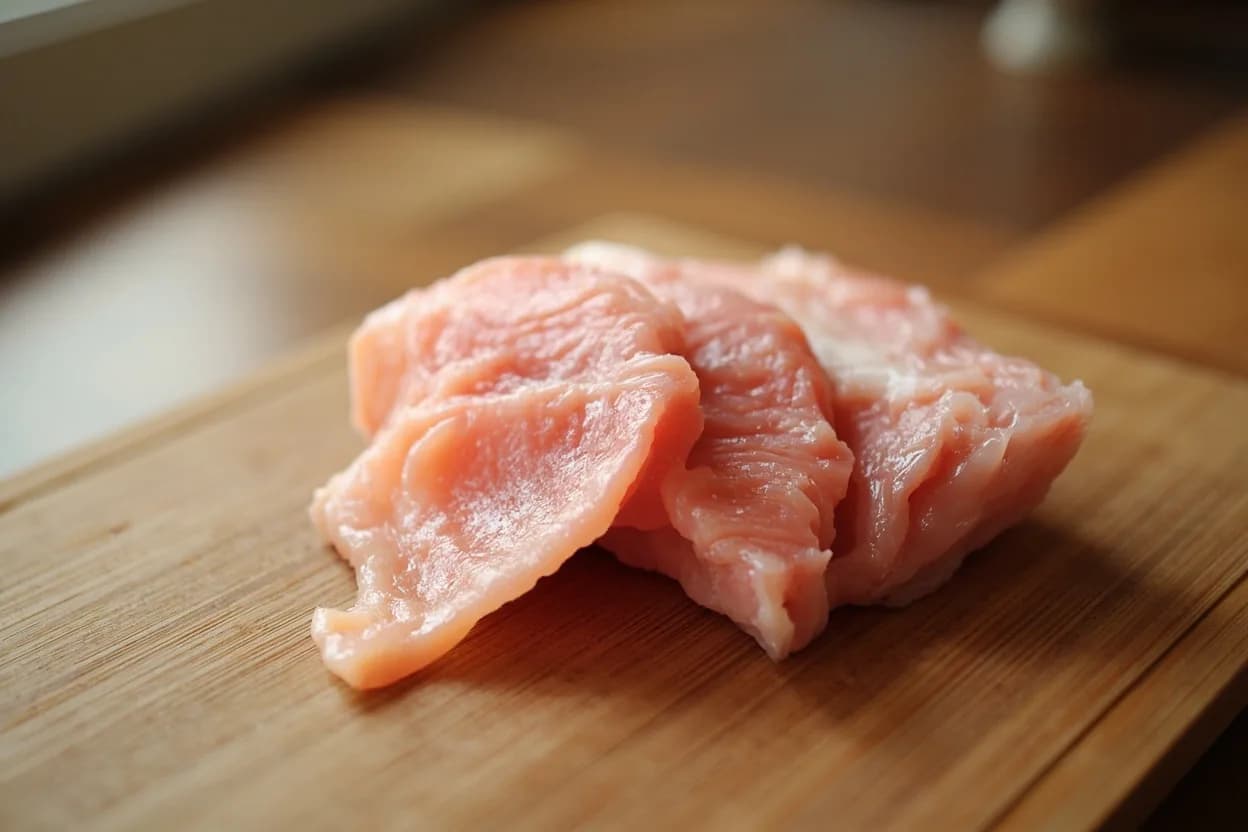
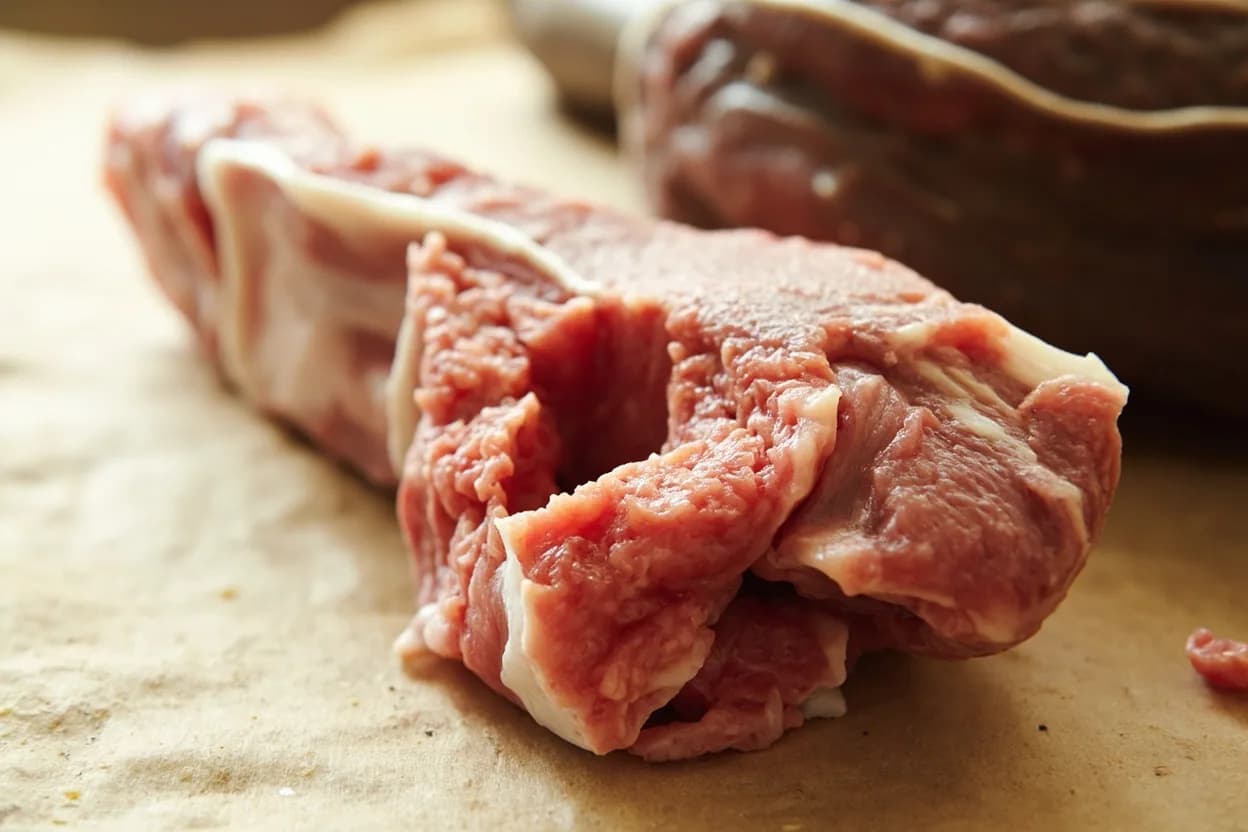
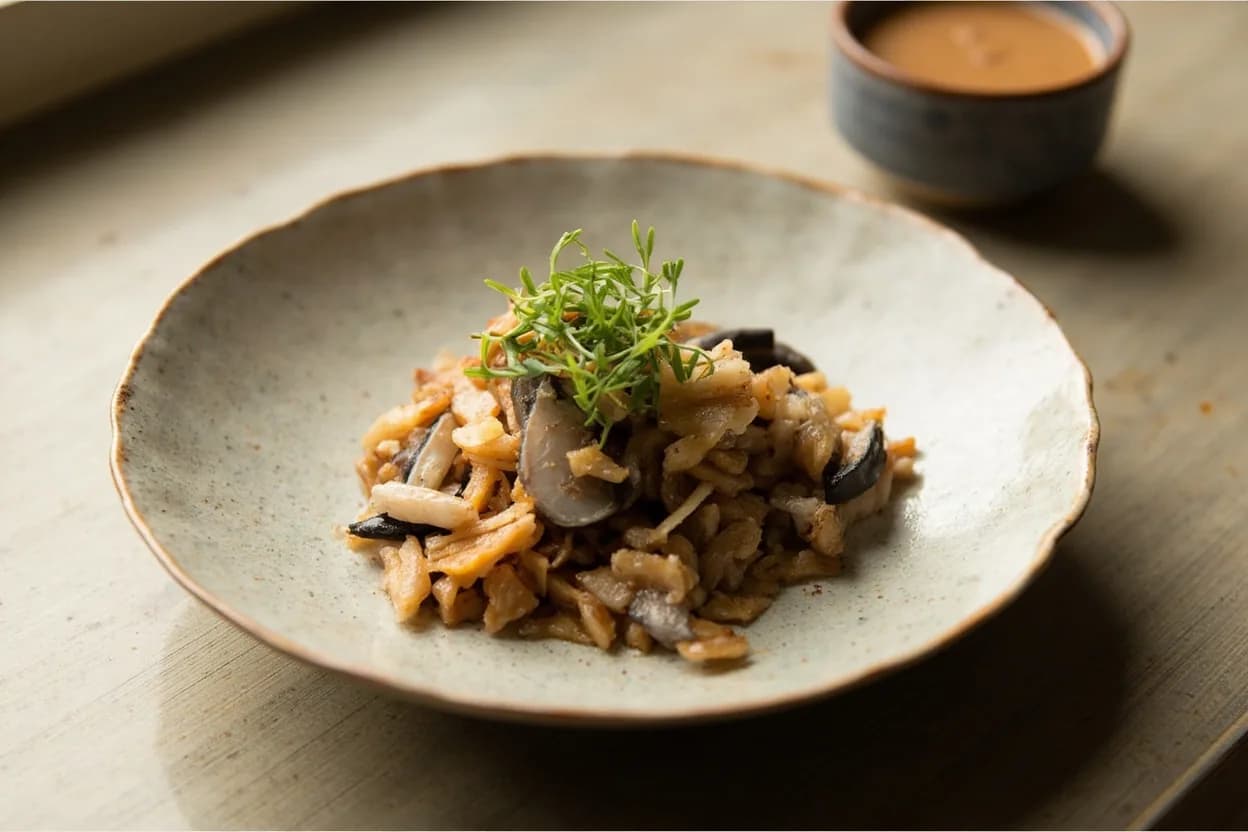
Where it comes from
Applied primarily to katsuo (skipjack/bonito), aji (horse mackerel), iwashi (sardine), and saba (mackerel) — all oily, assertive-flavored fish suited to the bold seasonings (ginger, garlic, miso, green onion) that define tataki preparations. These fish are too flavorful and oily for refined geometric sashimi cuts, making the rustic rough-chop ideal.
Best for
How to cook it
- 1Remove skin, pin-bones, and any dark bloodline from the fish; the bloodline is especially bitter in oily fish and must be excised cleanly
- 2Make rough 2–3 cm cuts across the fillet to produce starting chunks — precision is irrelevant at this stage
- 3Add any aromatics (ginger, scallion, shiso) directly to the pile if making namerō; they will be incorporated in the chop
- 4Using the heel of the blade, rock and draw through the pile repeatedly, pausing to gather the edges back to the center with the blade flat every 4–5 strokes
- 5Continue until the texture matches the target: coarser for topping applications, finer (approaching a paste) for namerō to be pan-fried as sangayaki
- 6Season immediately — the high surface area oxidizes quickly; serve within 10 minutes of cutting
Prep & butchery
- Skin must be fully removed — skin remnants create tough, chewy patches in the chop
- The bloodline along the spine of oily fish (aji, saba, katsuo) is strongly flavored and should be excised as a strip before chopping begins
- Chill the fish to 2–4°C; room-temperature oily fish oxidizes rapidly once chopped and the fat can turn within minutes
- A sturdy hocho (chef's knife or deba) is used rather than a yanagiba — the rocking-chop motion requires a heavier blade
Substitutes
- Kaku-zukuri
Uniform cubes — appropriate when a cleaner, more geometric presentation is needed from the same fish
- Hand-torn (te-bari)
Some preparations use fingers to break the fish rather than a knife; produces a different fiber orientation that some recipes prefer
Related cuts
- Hiki-zukuri
The refined slab-cut counterpart — tataki-zukuri deliberately inverts its geometry and precision
- Kaku-zukuri
Block cut — uniform version of what tataki-zukuri breaks down from
- Ito-zukuri
Thread cut — the opposite end of the refinement spectrum from tataki-zukuri's controlled roughness
Appears in
References
- 1.Japanese Cooking: A Simple Art — Shizuo Tsuji
- 2.Washoku: Recipes from the Japanese Home Kitchen — Elizabeth Andoh
- 3.The Japanese Kitchen — Hiroko Shimbo
- 4.Japan: The Cookbook — Nancy Singleton Hachisu
Confidence: high
Notes
Tataki versus tataki-zukuri
The word tataki carries two meanings in Japanese cuisine that are frequently conflated. 'Tataki' as a cooking method refers to surface-searing a piece of fish (classically katsuo no tataki, where the bonito is held on a skewer over straw fire), then slicing it. 'Tataki-zukuri' is specifically the knife technique — the rough chop — and can be applied to raw or briefly seared fish. Katsuo no tataki can be presented as slices (hiki-zukuri after searing) OR rough-chopped (tataki-zukuri after searing), depending on regional custom.
Namerō — the fisherman's dish
Namerō originates with the ama divers and fishermen of the Bōsō Peninsula in Chiba Prefecture. The name likely derives from 'nameru' (to lick), a reference to how irresistible the dish is. Aji (horse mackerel) is the canonical fish; miso, green onion, ginger, and shiso are worked into the chop until the seasoning is fully incorporated into the fish paste. The ratio of fish to aromatics is generous — namerō is bold and pungent by design. Sangayaki is the same mixture pan-fried in an abalone shell, transforming tataki-zukuri into a hot preparation.