Veal — Primal & Subprimal
Veal Sweetbread Trimming
Also: ris de veau, thymus sweetbread, pancreatic sweetbread, heart sweetbread
Delicate glandular offal from the calf's thymus or pancreas, requiring soaking, blanching, and careful membrane removal before service.
Sweetbreads are the culinary term for the thymus gland (gorge or throat sweetbread) and the pancreatic gland (coeur or heart/stomach sweetbread) harvested from veal calves. The thymus — a lymphoid organ located along the neck and into the chest — is the more prized of the two; it yields a larger, more uniform lobe with a creamier texture. The pancreatic sweetbread sits near the stomach and is smaller and more irregular in shape. Both are considered luxury offal in French haute cuisine and are prized for their extraordinarily tender, rich, custard-like interior.
In photos
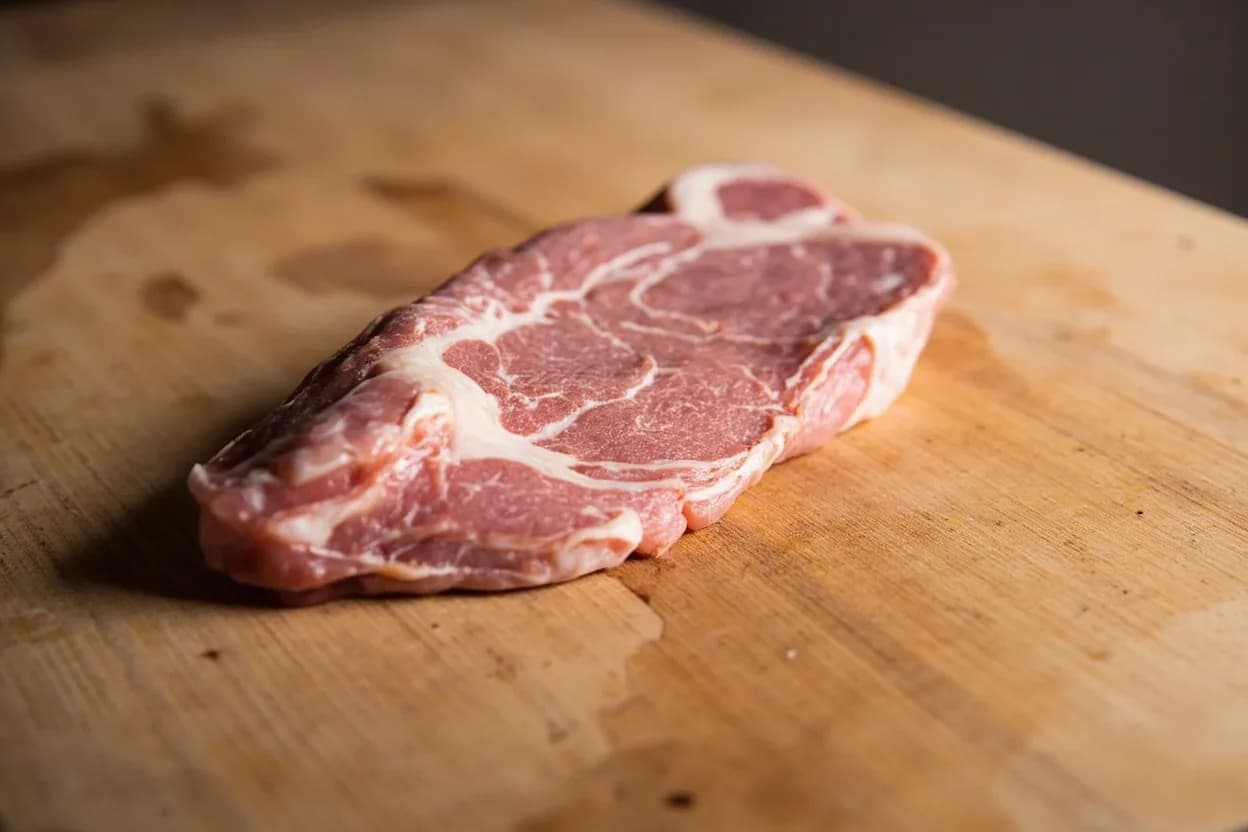
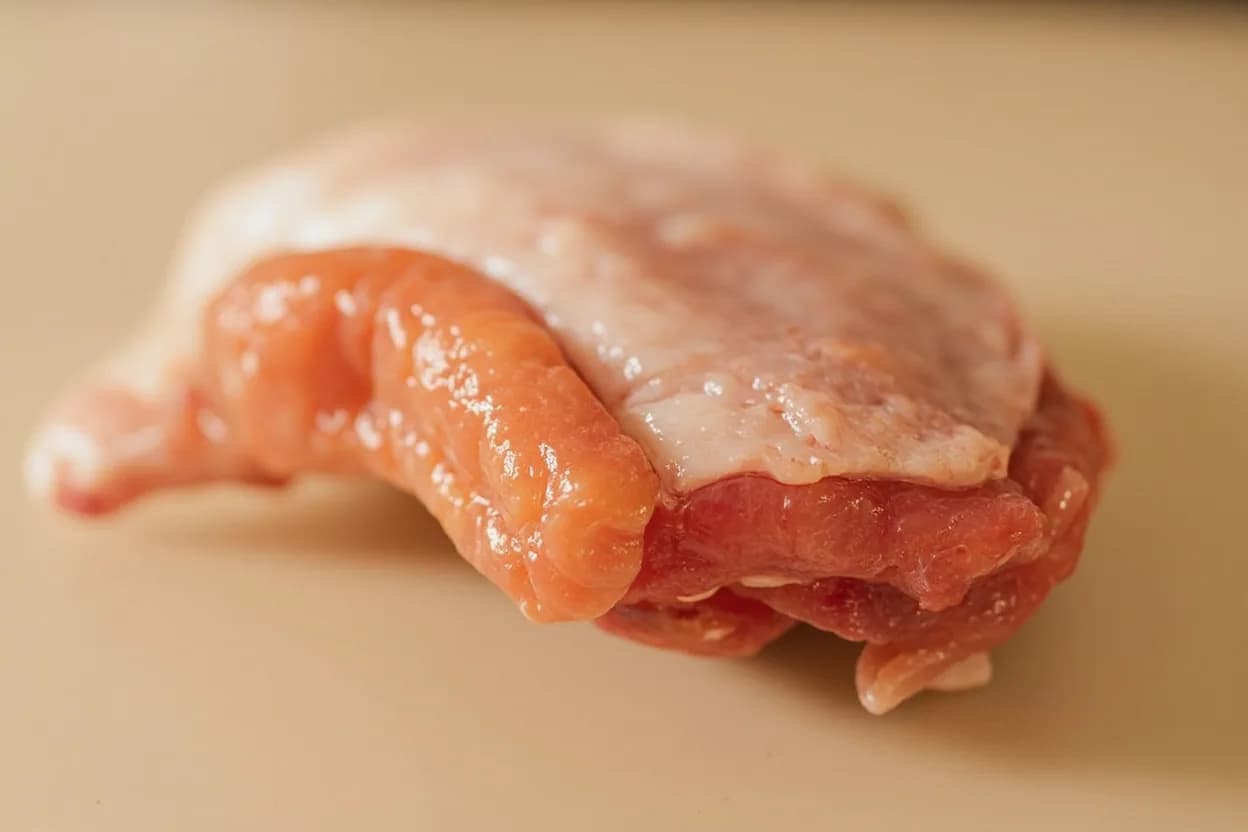
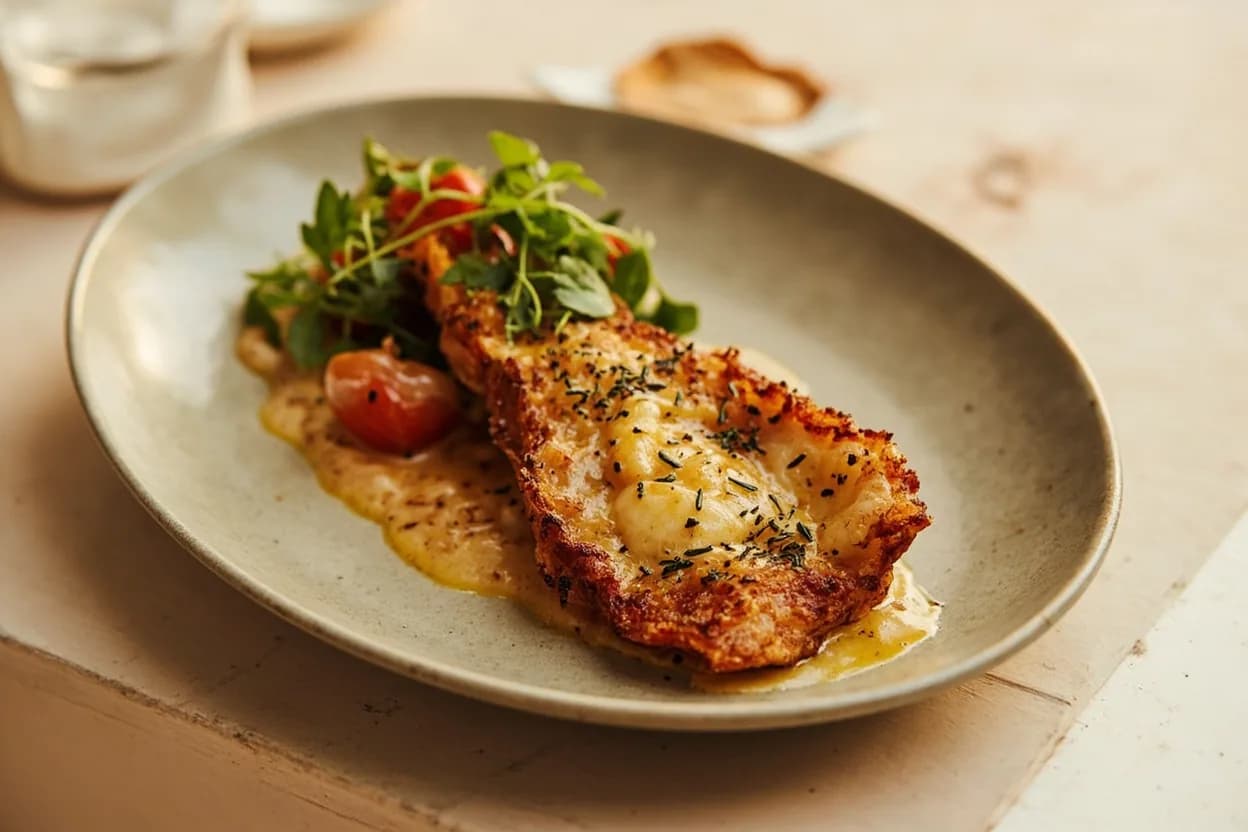
Where it comes from
Thymus gland (ris de veau du cou/gorge): elongated gland running from the throat into the anterior chest cavity. Pancreatic sweetbread (ris de veau de coeur/estomac): compact, round gland adjacent to the stomach. Both are removed immediately after slaughter and must be chilled rapidly.
Best for
How to cook it
- 1Soak in cold salted water (or cold water with a splash of white wine vinegar) for 2–4 hours, changing water 2–3 times, to purge blood and whiten the tissue.
- 2Blanch in cold water brought slowly to a bare simmer (not a rolling boil), hold for 3–5 minutes, then immediately transfer to an ice bath to arrest cooking.
- 3While still warm and pliable, peel away the outer membrane and any visible ducts, sinew, or large veins using fingers and a paring knife; work carefully to preserve the lobes intact.
- 4Wrap tightly in plastic or a clean towel, place between two flat trays weighted with a heavy pan, and press in the refrigerator for at least 1 hour (up to overnight). This firms the texture and produces flat, even slices.
- 5Portion pressed sweetbreads to uniform thickness (roughly 1.5–2 cm). For sautéeing, season, dredge lightly in flour, and sear in a hot pan with clarified butter until deeply golden on each side, 3–4 minutes per side.
- 6Rest briefly and serve immediately; sweetbreads lose their crust quickly.
Prep & butchery
- Source only very fresh sweetbreads — smell should be clean and milky, never ammonia-like; ivory-pink color is correct
- The thymus (gorge) has a more elongated, multi-lobed shape; the pancreatic (coeur) is rounder and denser — treat identically in prep
- Soaking in acidulated water (lemon juice or white vinegar) yields a whiter result; milk-soaking is also traditional
- Do not over-blanch: interior should still be raw at the center after the initial blanch — full cooking happens in the final sear or braise
- Pressing is non-negotiable for restaurant-quality even portions; skip pressing only for rustic ragout applications
Substitutes
- Lamb sweetbreads
Smaller lobes, slightly stronger flavor; identical preparation method but briefer blanching time
- Veal brains
Similar luxury offal, silkier texture; follow same soaking and blanching protocol
- Chicken thymus (poulet ris)
Much smaller and rarer at retail; adequate substitute in ragout applications
Related cuts
- Veal liver
Fellow luxury veal offal; similarly delicate and highly perishable
- Veal kidney
Paired with sweetbreads in classic French mixed offal platters
- Lamb sweetbreads
Direct counterpart from lamb; same glands, same prep, smaller yield
Appears in
References
- 1.Le Guide Culinaire — Auguste Escoffier
- 2.Charcuterie and French Pork Cookery — Jane Grigson
- 3.The Professional Chef, 9th ed. — The Culinary Institute of America
- 4.Nose to Tail Eating — Fergus Henderson
Confidence: high
Notes
Thymus vs. Pancreatic: Which Is Better?
The thymus (gorge) sweetbread is universally preferred in professional kitchens for its larger, more uniform lobes and creamier texture. The pancreatic sweetbread is smaller and slightly firmer; it performs well in ragouts or preparations where shape matters less. Both are sold together in many markets — inspect the shape to distinguish them.
Why Pressing Matters
Blanched sweetbreads are naturally irregular and spongy. Pressing under weight compacts the proteins, expelling residual moisture and firming the texture so that portions hold their shape during the final sear. Without pressing, even beautifully seared sweetbreads will collapse and steam rather than crisp. Press for a minimum of one hour; overnight pressing produces the most consistent restaurant-quality result.