Aromatic & Fat Doneness
Berbere Paste Toasting Endpoint
Also: berbere toasting, Ethiopian spice paste toasting, berbere dry-toast endpoint
The moment when dry-toasted berbere has deepened from brick-red to dark brown and smells intensely fragrant — aromatic compounds maximized, just before the bitter scorched threshold.
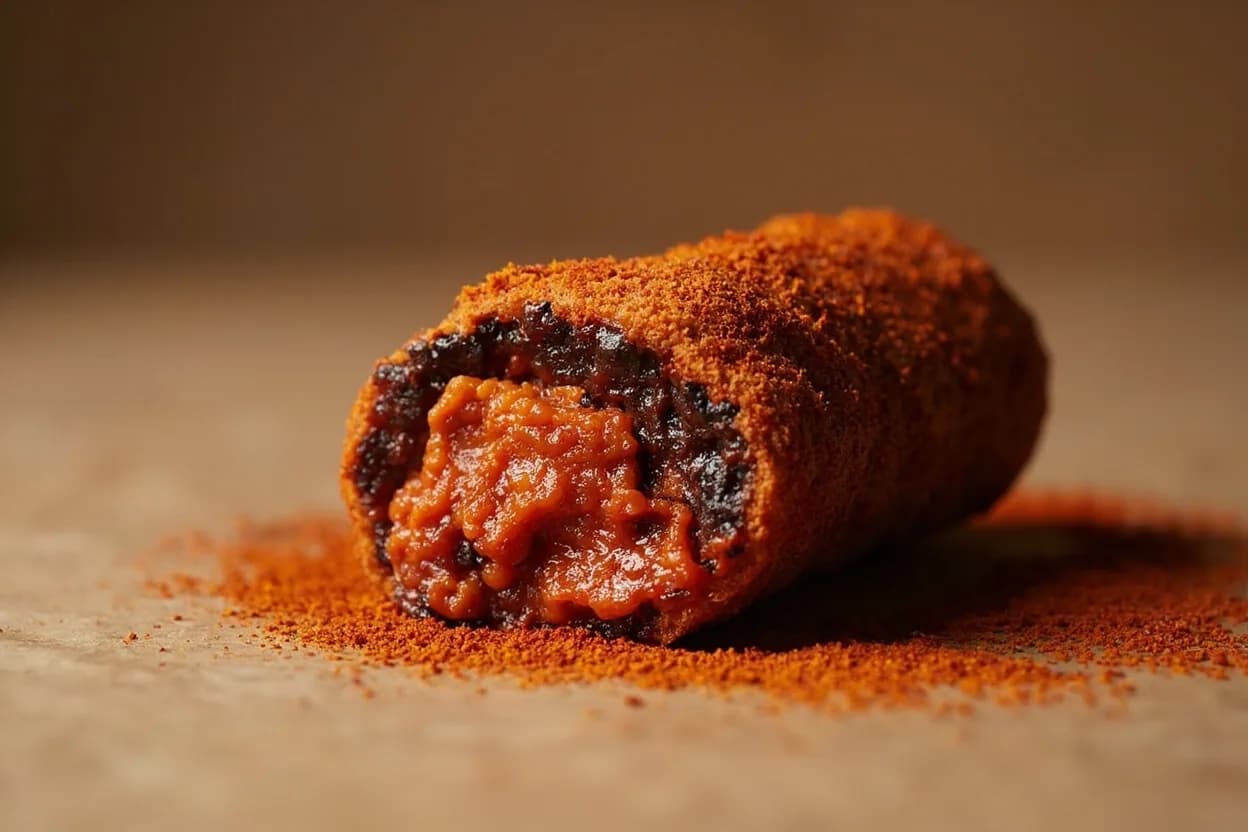
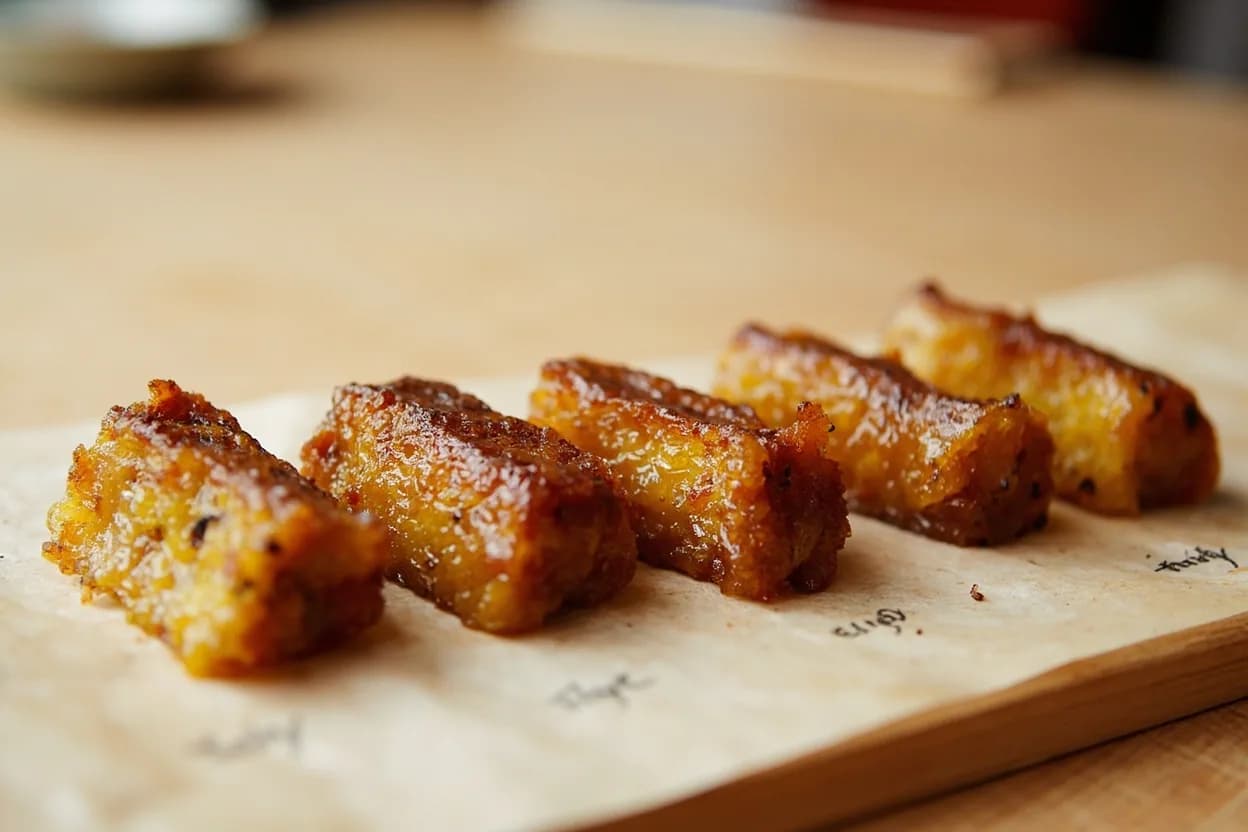
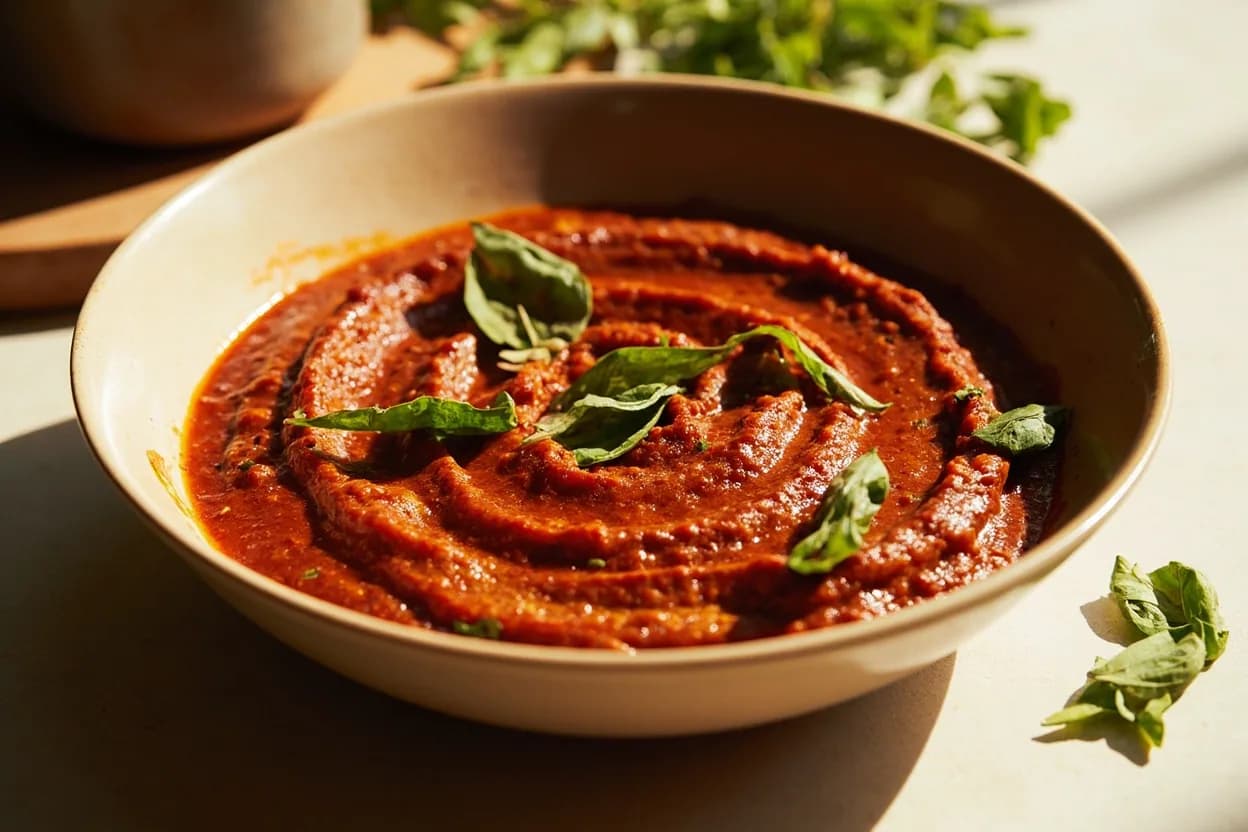
The berbere paste toasting endpoint is the sensory-judged doneness stage in the preparation of Ethiopian berbere when the spice blend (or reconstituted paste), dry-toasted in a heavy skillet, has fully developed its aromatic complexity through Maillard and pyrolysis reactions, shifted from its raw brick-red color to a deeper chestnut-brown, and produces an intense, layered fragrance of chile, fenugreek, cardamom, and warm spices. It is not a temperature target but a compound sensory signal recognized by color, aroma, and texture.
In photos
What happens
Berbere typically contains dried chiles, fenugreek, black cardamom (korerima), coriander, rue, ajwain, black pepper, ginger, and cinnamon. When dry-toasted, the residual moisture is first driven off (no browning yet), then at higher temperatures Maillard reactions develop hundreds of flavor compounds from amino acids and reducing sugars in the dried chiles and spices. Fenugreek's furanocoumarins and sotolon undergo thermal transformation to release maple-caramel notes. Chile pigments (capsanthins) deepen in color. The transition from raw to toasted is visible (brick-red → dark brown) and olfactory (sharp raw chile → deep, complex, almost smoky fragrance). The endpoint precedes the acrid, carbon smell that marks scorching.
What to look for
- Color shifts from vivid brick-red or orange-red to a deep, dark chestnut-brown with reddish undertones — not black
- Aroma transforms from raw, sharp, and pungent to deep, complex, smoky-sweet with distinct fenugreek and chile notes
- Wisps of fragrant steam or smoke appear; if heavy smoke rises, the endpoint has passed
- Spices feel slightly tacky when stirred, indicating residual oils have been activated
- Paste (if wet) pulls cleanly from the skillet in a mass, no longer sticking in wet clumps
- Taste (small amount, cooled): round, deep, and complex — no raw flour or sharp nasal burn from untoasted chile
How to check
- Color check: place a small amount on a white plate — should be deep brown, not orange-red and not black
- Aroma check: intense, aromatic, and complex without any acrid or char note
- Paste consistency: pull the mixture aside with a spatula — if it releases from the pan cleanly and has darkened uniformly, the endpoint is reached
- Sound: the initial high hissing of moisture evaporation should have quieted to a drier, lower sizzle
The science behind it
Primary browning mechanism developing flavor complexity in the dried spices during dry-toasting.
- Pyrolysis (mild)
Very mild thermal breakdown of complex carbohydrates and phenolic compounds at the endpoint contributes smoky depth; progressing to true pyrolysis produces bitterness.
The fat medium into which toasted berbere is often added — the combination is the base of most Ethiopian wat stews.
- Blooming spices in fat
After dry-toasting, berbere is almost always 'wet-fried' briefly in niter kibbeh or oil, which dissolves additional fat-soluble compounds not released during dry-toasting.
Appears in
References
- 1.Ethiopia: Recipes and Traditions from the Horn of Africa — Yohanis Gebreyesus
- 2.The Complete Spice Book — Jill Norman
- 3.On Food and Cooking — Harold McGee
- 4.Jerusalem — Yotam Ottolenghi & Sami Tamimi
Confidence: high
Notes
Dry-toast vs. wet-fry
Traditional berbere preparation separates the two stages deliberately. Dry-toasting in a skillet with no fat develops Maillard flavors from the proteins and sugars in the spices. The subsequent wet-fry in niter kibbeh then extracts fat-soluble capsaicins and terpenes from the chile and cardamom. Combining them into a single fat-fry step produces a less complex result.
Paste vs. dry powder
Dry berbere powder toasts faster and more visibly than paste. Paste (made with water, wine, or tej) takes longer to expel its moisture before browning begins; the endpoint signals are the same but arrive later and require more patience over lower heat to avoid scorching the outside while the center remains raw-tasting.