Preservation Temperatures
Fermented Vegetable pH Safety Threshold
Also: lacto-ferment safety pH, sauerkraut pH target, kimchi acidity threshold, fermentation completion pH
Lacto-fermented vegetables are safe once brine pH drops below 4.6, indicated by sustained bubbling and a sour, clean aroma.
In lacto-fermentation, Lactobacillus and related bacteria convert sugars to lactic acid, progressively lowering the brine pH from roughly 6.5 at the start to below 3.5 at full fermentation. The critical safety milestone is pH 4.6 — below this, Clostridium botulinum and most pathogens cannot survive. Unlike vinegar pickling, this acidification is biological and time-temperature dependent: active bubbling signals carbon dioxide production and ongoing acid generation. Full fermentation at room temperature (18–22°C / 65–72°F) typically achieves pH 3.2–3.6 within 3–14 days, depending on salt concentration, temperature, and vegetable sugar content.
In photos
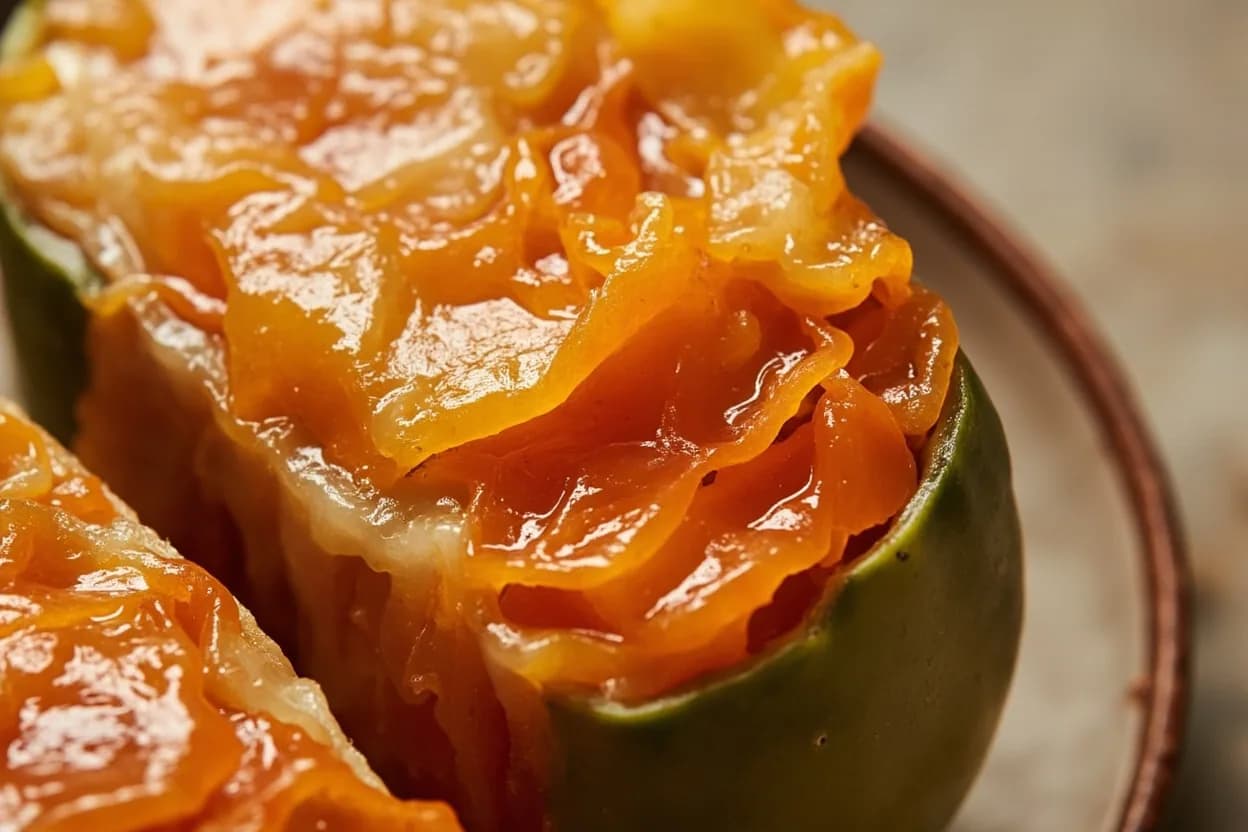
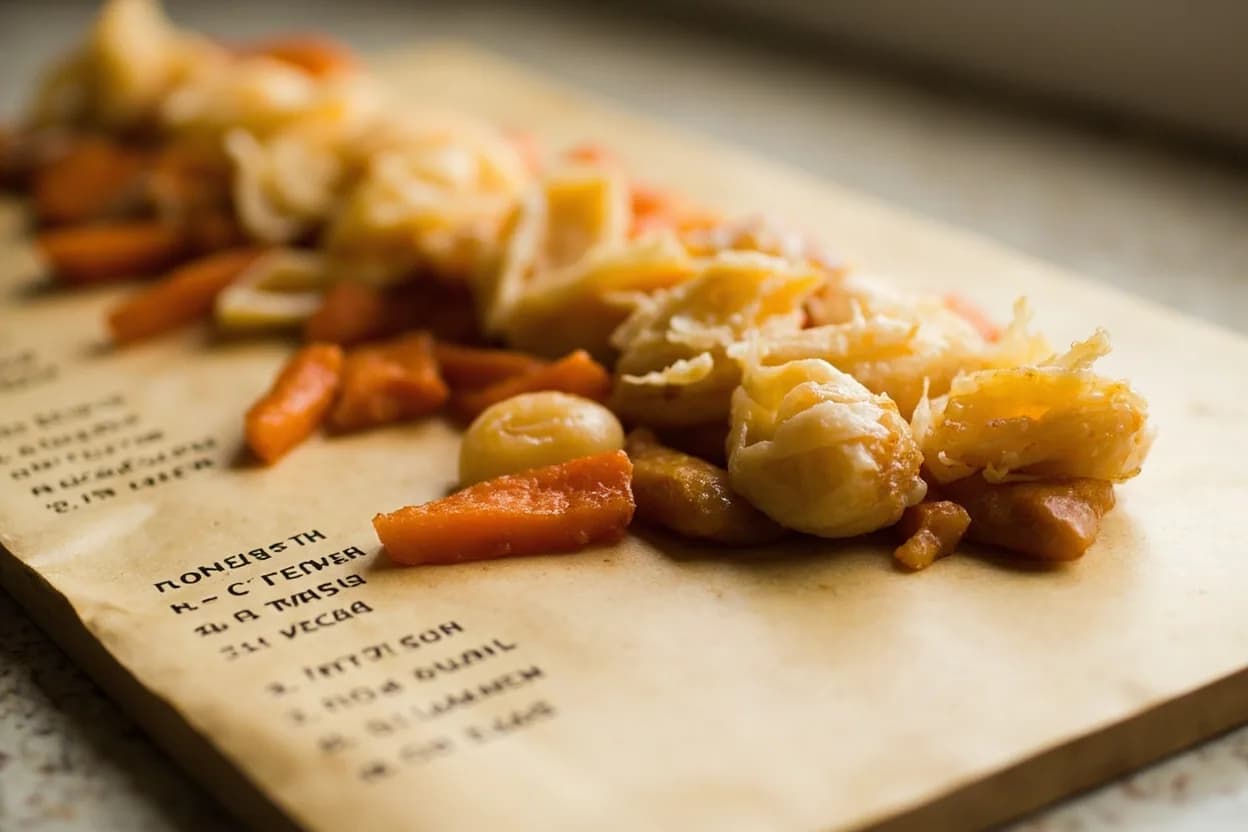
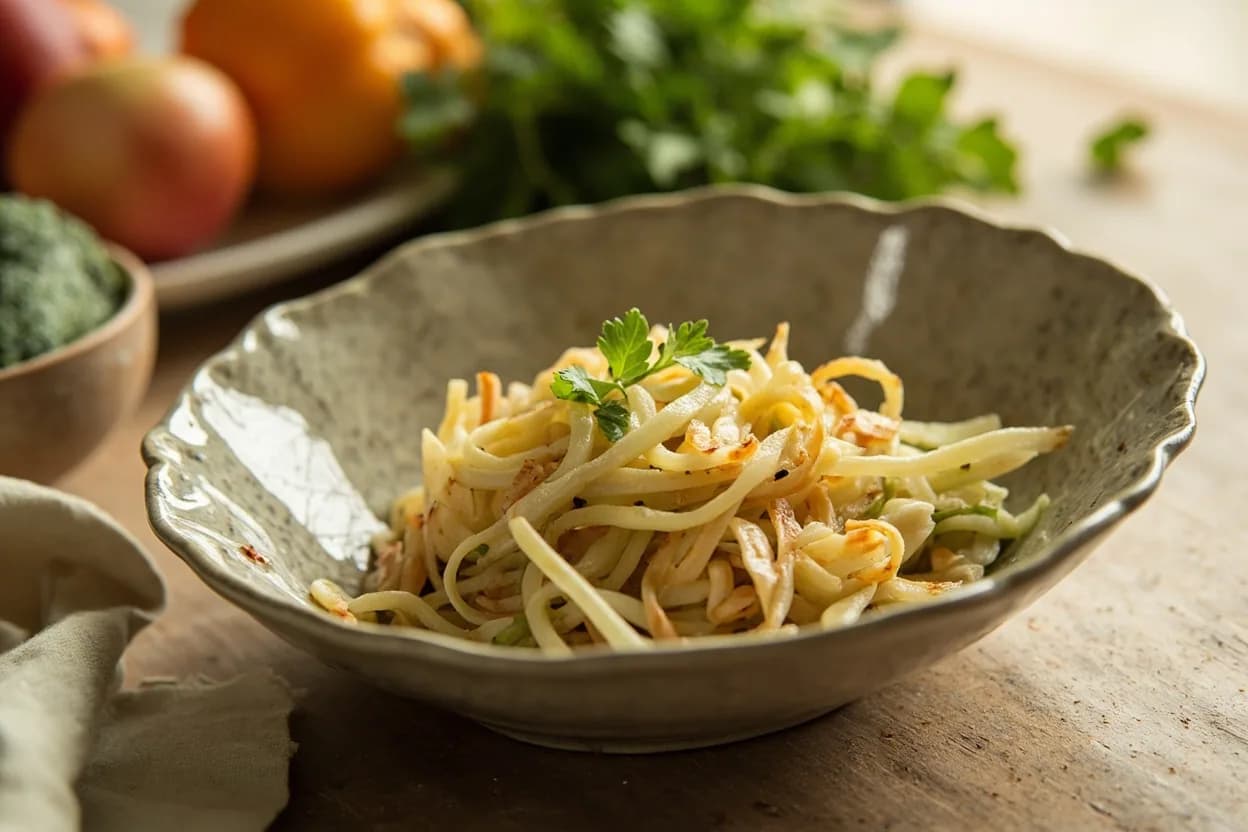
What happens
Salt draws water from vegetable cells via osmosis, creating brine that inhibits spoilage organisms while allowing salt-tolerant Lactobacillaceae to thrive. These bacteria produce lactic acid as a metabolic byproduct, rapidly dropping pH. As pH falls below 4.6, the environment becomes increasingly hostile to pathogens. Below pH 4.0, even most mold spores are inhibited. The carbon dioxide released during fermentation purges oxygen from the brine, creating the anaerobic environment that lactic acid bacteria prefer. The 2–3% salt-by-weight brine range balances pathogen suppression at the start with eventual lactic acid takeover.
What to look for
- Active bubbling or fizzing through an airlock or loosely closed lid signals ongoing fermentation
- Aroma shifts from raw vegetable to pleasantly sour and tangy — any putrid, sulphurous, or rotten smell indicates failure
- Taste becomes progressively more tart and complex; bright sour without off-notes means fermentation is on track
- Brine may turn lightly cloudy from bacterial cells — this is normal and desirable
- Vegetables soften slightly but retain a pleasant crunch when salt concentration and timing are correct
How to check
- Use pH strips (3.0–5.0 range) or a calibrated pH meter dipped into the brine
- Sample brine only after at least 3 days of active fermentation; early readings will still be above 4.6
- Taste is a reliable secondary check — if it tastes pleasantly sour and clean, pH is almost certainly below 4.6
- Bubble activity alone is not definitive; always confirm with pH measurement for anything to be stored long-term
Food safety
The science behind it
- Lactic acid bacteria
Lactobacillus plantarum and related species drive fermentation; they are naturally present on vegetable surfaces
- Salt concentration in fermentation
2–3% salt by weight selects for lactic acid bacteria while suppressing harmful organisms during the early aerobic phase
- Vinegar pickling pH target
Achieves the same ≤4.6 threshold chemically rather than biologically; faster and more predictable but different flavor profile
- Water activity in preservation
Salt reduces water activity as a secondary preservation mechanism alongside pH reduction
- Botulinum anaerobic conditions
Fermentation jars are anaerobic — exactly the conditions botulinum needs — making rapid pH drop critical for safety
Appears in
References
- 1.The Art of Fermentation — Sandor Ellix Katz (Chelsea Green Publishing, 2012)
- 2.Fermented Vegetables — Kirsten K. Shockey & Christopher Shockey (Storey Publishing, 2014)
- 3.Complete Guide to Home Canning — USDA Agricultural Information Bulletin No. 539 (revised 2015)
- 4.On Food and Cooking — Harold McGee (Scribner, 2004)
Confidence: high
Notes
Temperature and Fermentation Speed
Warmer temperatures (22–26°C / 72–79°F) speed fermentation — pH can drop below 4.6 in 2–3 days — but may produce a softer texture and less complex flavor. Cooler temperatures (15–18°C / 59–65°F) slow the process to 2–4 weeks and develop deeper, more nuanced acidity. Traditional Korean kimchi is buried in clay pots underground (near-freezing) for months to achieve this slow, cold fermentation. There is no universal "done" day — pH is the honest arbiter.
Refrigerator Slowdown
Once target pH is reached, transferring to the refrigerator (below 4°C / 40°F) dramatically slows further fermentation without stopping it entirely. Flavor continues to develop slowly over weeks in the cold. This is standard practice for kimchi and sauerkraut eaten over time — the product becomes more sour and complex with age.